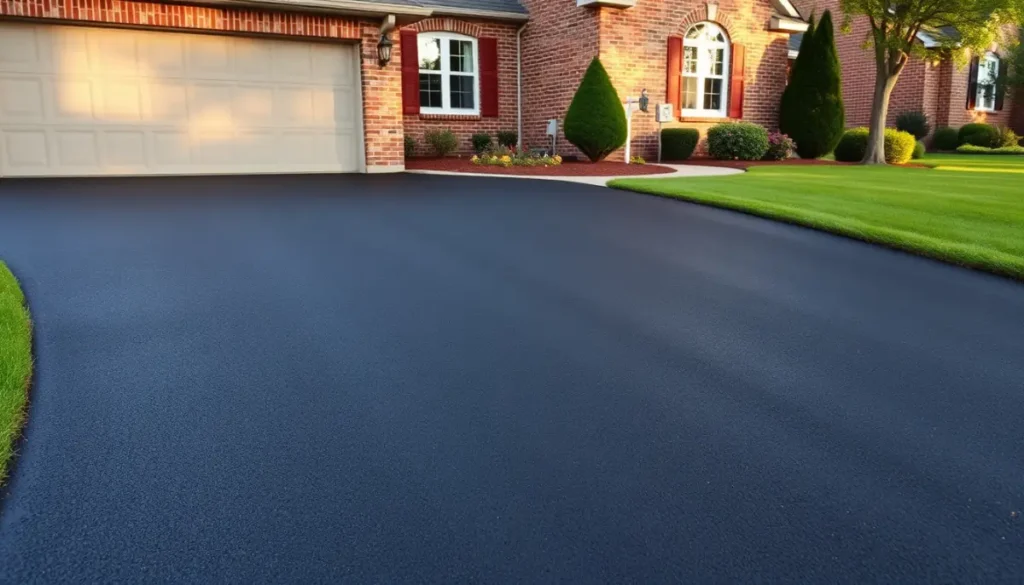
Sealcoating goes on fast. The prep is what decides how well it lasts. A coat that goes over dirt, oil, or open cracks will not bond the way it should.
This guide is for homeowners in Central PA. It shows what to check a week before, what to do the day before, and what the crew takes care of.
Why Does Prep Matter So Much?
Sealcoat is a thin layer. It sticks to the surface it is placed on. If that surface is dirty or loose, the coat sits on top of the dirt instead of the asphalt.
That is when you see peeling, tire marks, and patchy spots. Most of those problems start before the first brush stroke.
Good prep is a mix of two jobs. Some are yours, like clearing the driveway. Some belong to the crew, like cleaning and filling cracks.
What Should You Check a Week Before?
Walk the driveway and look closely. You want to know what the crew will find.
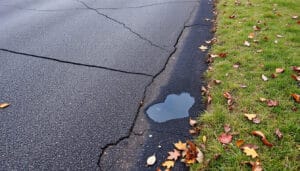
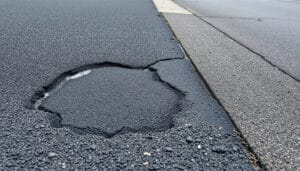
- Cracks. Note where they are and how wide. Wide ones need filler before any coat.
- Weeds. Pull them out by the root. Our guide on weeds growing through asphalt explains why they come back.
- Oil spots. Dark, shiny stains need special treatment so the coat can stick.
- Low spots. Look for places where water stands after rain.
- Edges. Check for crumbling along the sides. See why driveway edges crumble.
Take a few photos. They help when you talk to the crew about what you see.
Is Your Driveway Ready for Sealcoat at All?
Not every driveway is. If the surface is new, it needs time to cure first. Read when to seal a new asphalt driveway to see how long.
If the asphalt is badly broken up, sealcoat will not fix it. Our guide on signs your driveway is ready for seal coating helps you tell the difference.
What Should You Do the Day Before?
A little work the day before keeps the job on track:
- Move cars, trash cans, bikes, and toys off the driveway.
- Clear leaves, sticks, and loose stones.
- Sweep or blow off dust if you can.
- Turn off sprinklers for a couple of days before and after.
- Tell neighbors and family not to park near the driveway.
- Plan where you will park for a day or two.
If you have a basketball hoop or a mailbox near the edge, tell the crew. They can work around them.
What Does the Crew Handle?
You do not need to do the hard parts. A careful crew takes care of these steps:
- Cleaning the surface with brooms and blowers.
- Cutting out or treating oil spots.
- Filling cracks so water cannot get in.
- Cutting in the edges for a neat line.
- Applying the coat in even layers.
- Blocking off the driveway until it cures.
Ask how they handle each step. A clear answer is a good sign. See how to repair cracks before sealcoating for why the crack step comes first.
What About the Weather?
Sealcoat needs warm, dry weather. It needs at least 55 degrees and rising, and it should not drop below 50 degrees for two days after the work.
Rain can wash out a fresh coat. A good crew watches the forecast and moves the date when needed. If the weather turns, a short delay is better than a rushed job.
For timing questions, see should you sealcoat in the fall.
What Happens While the Coat Cures?
Keep cars and foot traffic off until your crew says it is ready. Plan for a day or two without parking on it.
Pets and kids can track a soft coat into the house. Keep them off, and block the driveway with cones or tape if the crew has not already.
What Mistakes Should You Avoid?
Most problems come from a few easy errors:
- Skipping the walk-through. You miss a problem the crew could have told you about.
- Leaving cars on the driveway. The crew cannot coat under them.
- Watering the lawn near the edge. Water runs onto a fresh coat.
- Driving on it too soon. Tires leave marks in a soft coat.
- Coating over open cracks. Water gets in and the damage continues.
A short checklist before the work starts prevents all of these.
Can You Prep and Seal the Driveway Yourself?
Some homeowners do the whole job. It can work if you are careful. You need dry weather, a clean surface, the right tools, and a few free days.
Many people find the prep takes longer than the coating. Cracks, oil spots, and edges all need care. Our driveway sealcoating guide explains what a pro job involves, so you can decide.
What Is a Simple Prep Checklist?
Print this and keep it handy:
- One week before: walk the driveway, pull weeds, note cracks and oil spots.
- Three days before: confirm the date and the forecast with your crew.
- Day before: clear the driveway and turn off sprinklers.
- Day of: keep pets and kids away, and let the crew work.
- After: stay off the surface until you are told it is ready.
What If It Rains Before the Date?
Rain the day before can leave the surface damp. Damp asphalt does not take a coat well. The crew may wait a day or two for it to dry.
Check the forecast with your crew a few days out. If the date moves, you keep the same prep. Leave the driveway clear until you hear from them, so the crew can start as soon as the weather allows.
Frequently Asked Questions
Do I need to wash the driveway first?
The crew cleans it. A light sweep or blow-off from you helps, but a heavy wash is not needed.
Can I seal over cracks?
No. Cracks need to be filled first. Sealcoat is a thin coat that protects the surface.
How long should I stay off the driveway?
Your crew will give you a time. Plan for a day or two.
More Paving Guides
Get a Free Estimate
Nathan’s Paving & Seal Coating has worked in Central PA for over 20 years. We handle asphalt seal coating in Harrisburg, PA and across the region, plus driveway repairs and new paving.
Estimates are free, and we offer senior citizen discounts. Call (717) 648-5030 or email nathanpaving@gmail.com. We will look at your driveway, tell you what it needs, and plan the work around the weather.