You shouldn’t seal a new asphalt driveway for at least 90 days. Waiting 6 to 12 months typically delivers a stronger bond and longer-lasting results. Fresh asphalt contains oils that need time to fully evaporate. Seal too soon and you’ll trap those chemicals, which can leave your pavement soft, weak, and vulnerable to damage. Patience now means better protection later. Keep reading and you’ll learn exactly when your driveway is ready, and how to make every dollar count.
Key Takeaways
- Wait at least 90 days before sealing a new asphalt driveway, with 6 to 12 months being the ideal window.
- New asphalt must fully cure so trapped oils and solvents can evaporate before sealing.
- Seal only when temperatures consistently stay between 50°F and 90°F with no rain forecast for 48 hours.
- Sealing too soon can leave pavement soft, causing tire marks, premature cracking, and costly long-term repairs.
- Spring installations should typically wait until the following sealing season for better adhesion and performance.
Why New Asphalt Needs Time Before Sealing
Not ideal!
Here’s the timeline you need:
- Minimum wait: 90 days for initial hardening
- Good wait: 6 to 9 months for stronger adhesion
- Best time to sealcoat: 9 to 12 months after installation
Why wait longer? Because oils need time to evaporate. Once your asphalt is fully cured, the sealer bonds properly and tends to last longer.
Patience here saves you money.
Rushing can cost you in repairs. Waiting helps with durability. Choose wisely!
Nathan’s Paving & Seal Coating focuses on quality materials and workmanship to help deliver long-lasting results.
How Long Should You Wait to Seal a New Driveway?
Waiting is one of the smartest moves you can make. Your new asphalt driveway needs time to cure properly before sealing. Rush it and you may regret it!
Here’s your simple timing guide:
- Wait at least 90 days. This is your absolute minimum.
- 6 to 12 months is better. Oils more fully evaporate and hardening progresses.
- 9 to 12 months is ideal. This can dramatically reduce tire marks and cracking risks.
- Spring install? Wait until next sealing season. Patience pays off.
When you finally sealcoat your driveway, temperatures should stay between 50°F and 90°F. You’ll also need 48 rain-free hours for proper curing.
Don’t skip the wait. It helps protect your investment.
Nathan’s Paving offers sealing services and free quotes to help determine the right timing for your project, including homes in Carlisle, PA.
How to Protect Your New Driveway Before You Seal It
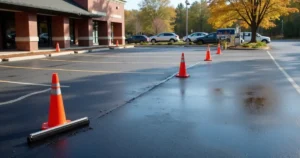
Skipping protection steps now can mean expensive repairs later. Fresh asphalt needs time. Respect it!
Keep vehicles off for at least 3 days. Ideally, wait 14 days.
During the full 6 to 12 month curing period:
- Avoid parking in the same spot repeatedly. You may create indentations.
- Avoid sharp turns and heavy loads. They can scuff uncured surfaces.
Watch for damage early. Start crack filling promptly when you spot issues. Small cracks can become big problems fast.
Protect the edges too. They’re typically the weakest points on new pavement.
Think of your driveway like a long-term investment. Protect it now and it can pay dividends for years. Neglect it and you may pay more later.
Nathan’s Paving uses quality materials to support durability and long-term performance.
Signs Your New Driveway Is Ready to Seal
Knowing the right moment saves you money and headaches. Watch for these clear signals before grabbing that sealer!
Your driveway is ready when:
- You’ve waited at least 90 days since paving. Patience pays off!
- The surface is fully cured with no moisture present.
- No tire marks or soft spots appear underfoot.
- Temperatures stay consistently between 50°F and 90°F.
Check these too:
- No rain forecast for 48 hours minimum
- Fresh oil sheen? Stop. Not ready yet.
- All cracks and potholes are fully repaired
New driveways often benefit from two thin coats for better protection. Don’t rush it. Your driveway’s long-term strength depends on good timing. Nathan’s Paving can help you determine the right sealing time.
What Happens If You Seal Asphalt Too Soon?
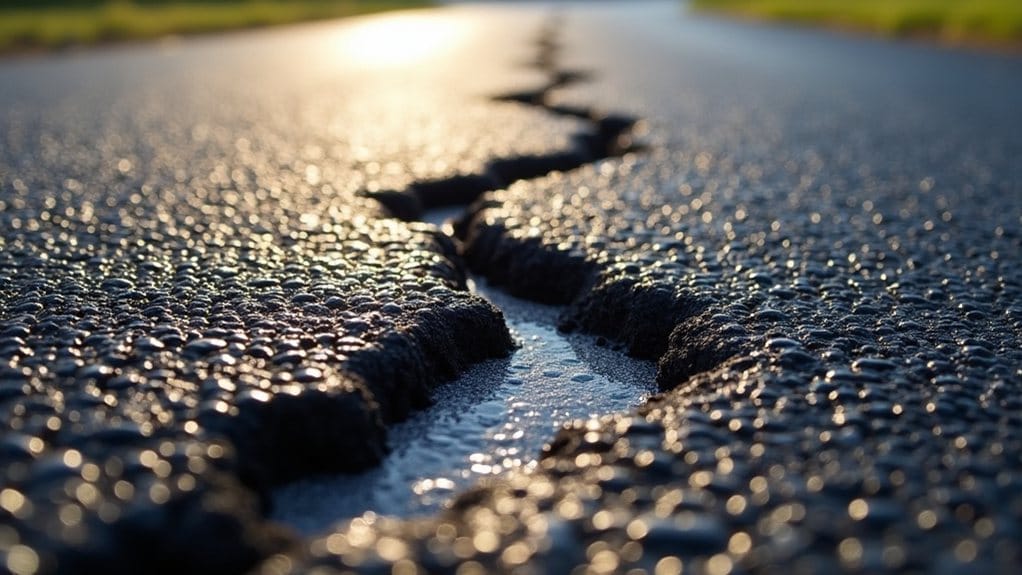
Seal your driveway too early and you’ll likely pay for it.
Here’s the hard truth: A new seal coat can trap oils and solvents still escaping fresh asphalt. Those chemicals need time to fully release. Lock them in prematurely and your pavement can stay soft and weak.
The damage can show up fast:
- Tire marks and wheel imprints appear easily
- Scuffing can ruin the surface quickly
- Premature cracking may accelerate beneath the film
Fresh asphalt typically needs 6 to 12 months before sealing. Rushing this process can damage your driveway rather than protect it.
Bottom line: Skipping proper wait time can cost you more repairs and more money. Patience here isn’t optional. It’s smart for your pavement investment.
We recommend following industry standards and consulting experienced local paving professionals to determine the best timing for sealing your driveway.
When Is the Best Time of Year to Sealcoat?
The best time to seal combines a few critical conditions:
- Warm temps consistently between 50°F and 90°F
- Dry forecast with no rain for at least 48 hours
- Low humidity so sealer cures faster and stronger
- No freeze risk. Avoid winter and freeze-thaw cycles entirely.
Late spring through early fall often works well. Autumn can be a sweet spot.
If you’re in Central Pennsylvania, don’t sealcoat heading into winter. You may waste money and damage your driveway.
The best time to seal is when conditions favor you, not the weather. Nathan’s Paving & Seal Coating offers free consultations to help determine the right timing for your project and support long-term results with a regular maintenance approach.
What Temperature Does Asphalt Need to Be Sealed?
Stay inside that range and you’re set up for better curing and adhesion.
Watch these temperature rules:
- Below 50°F? Stop. Freezing temps can damage your sealcoat before it cures.
- Above 90°F? Slow down. Rapid drying can cause poor film formation and surface scuffing.
- Above 80°F? Expect longer cure times. Plan accordingly.
One non-negotiable rule:
Temperatures should stay above 50°F for 24 to 48 hours after you apply sealcoat. No exceptions.
Rain within two days? Walk away. Come back when conditions cooperate.
Temperature control isn’t optional. It’s everything!
Nathan’s Paving & Seal Coating draws on over 20 years of industry experience, so trust their experience when planning your sealcoating schedule.
How to Prep Your Driveway Before Sealing
Follow these four critical steps:
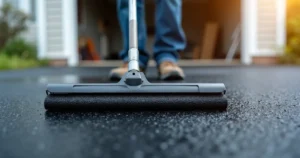
1. Clean everything. Sweep away debris and rinse oil stains with a pressure washer.
Thorough cleaning is non-negotiable.
2. Dry completely. Moisture can ruin adhesion.
Wait until the surface is bone dry.
3. Fix every crack. Use rubberized crack sealer on visible damage.
A smooth surface tends to hold seal coat much better.
4. Protect surroundings. Mask curbs, sidewalks, and landscaping before you start.
Your driveway should be sound and clean before any product touches it.
Do the prep right and your seal coat tends to perform much better!
Professional services can help ensure proper preparation and may offer warranties for the work.
How Often Should You Reseal a New Driveway?
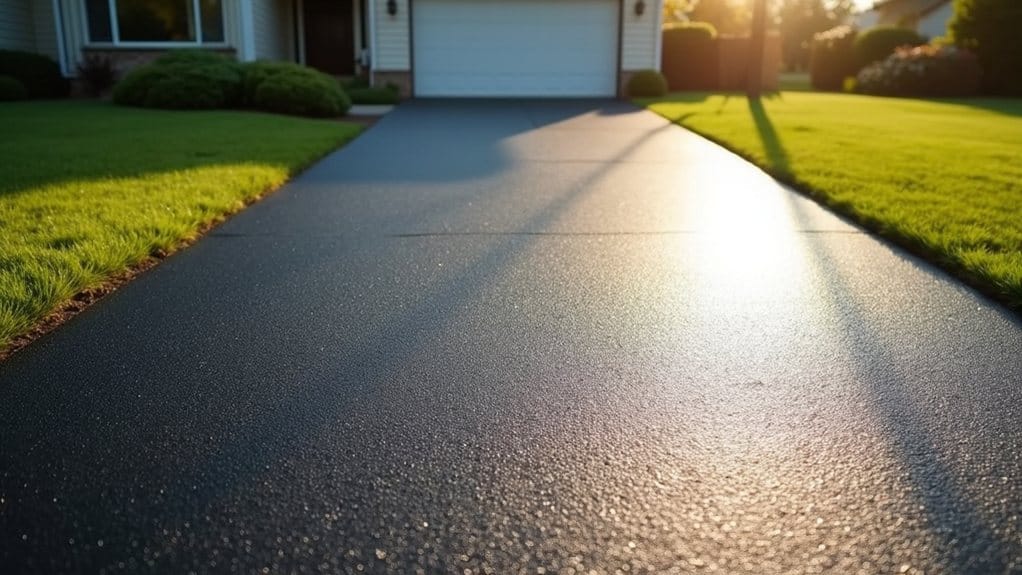
Now that your driveway is prepped and sealed, let’s talk about keeping it protected long-term.
Reseal on a Smart Schedule
Your asphalt driveway needs regular attention. Here’s a general reseal roadmap:
- Residential driveways: every 2 to 3 years
- High-traffic or harsh climates: more frequently
- Commercial areas: every 1 to 2 years
- Very heavy use: annually
Watch for Warning Signs
Don’t just follow the calendar. Inspect your pavement regularly!
Reseal sooner if you notice:
- Fading or surface oxidation
- Hairline cracks forming
- Water pooling in new spots
After Repairs? Seal Promptly
Pothole patched? Reseal soon after.
It helps restore protection and keeps things looking sharp.
Always use a quality seal coat matched to your climate.
Freeze-thaw cycles and UV exposure can change everything!
Experienced local contractors offering free estimates can help you stay on schedule.
What Does It Cost to Seal a New Driveway?
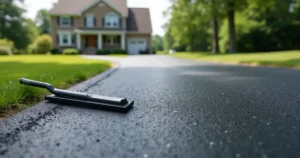
Let’s cut to the chase. Sealing isn’t free, but it’s typically worth it.
Here’s a general cost breakdown for a standard 1,000 sq ft driveway:
- Basic seal coat material: $0.10 to $0.15 per square foot
- Total material cost: roughly $100 to $150
- Labor and mobilization: adds $50 to $200
- Premium upgrades (two coats, crack repair, power washing): can increase cost 25 to 50%
Your final number? Expect roughly $150 to $350 for many driveways.
Prices shift fast based on your region and season.
Pro tip: Always get multiple written estimates. Ask for itemized pricing. Never accept vague quotes.
Protect your driveway investment smartly.
Every dollar spent today can save you later.
Free quotes are available for paving and seal coating projects. Submit your details to receive a detailed estimate with no obligation.
Frequently Asked Questions
What Is the Average Cost to Sealcoat a Driveway?
Key cost factors:
- Material types affect pricing significantly
- Labor adds $50 to $150 extra
- Crack repair pushes costs higher
Your maintenance schedule matters! Proper sealcoat timing can save you money long-term.
Smaller driveways? Expect a $100 to $200 minimum charge in many cases. Plan smart!
What Are the Common Driveway Sealing Mistakes?
You may be setting yourself up for failure with these mistakes:
- Improper prep. Skipping cleaning and crack-filling can ruin adhesion.
- Uneven application. Thick coats can peel and cure poorly.
- Using wrong sealer. Not all products fit every driveway’s needs.
- Sealing too soon. Wait at least 90 days on new asphalt.
- Wrong weather timing. Stay between 50°F and 90°F.
Avoid these and you’ll be set up for success!
What Happens if It Rains 12 Hours After Sealing a Driveway?
Rain can interrupt critical curing time, which can cause:
- Streaks and washouts
- Tacky soft spots
- Uneven sealant dilution
You may need a full recoat. That means more cost and time!
Your action plan:
- Check the weather forecast BEFORE sealing
- Wait until fully dry
- Inspect for soft spots
Always aim for 24 to 48 dry hours minimum!
How Long Do 2 Inches of Asphalt Last?
Asphalt longevity depends heavily on wear factors:
- Heavy traffic can shorten lifespan considerably
- Harsh winters and freeze-thaw cycles take a toll
- Proper maintenance helps extend the surface’s useful life
Layer thickness matters. Your 2-inch layer typically benefits from sealcoating every 2 to 3 years to help it hold up over time.
Conclusion
Don’t rush the process. Don’t skip the prep. Don’t ignore the timing.
Sealing too soon can damage your investment. Sealing at the right time helps protect it for years.
Wait 90 days minimum. Prep your surface properly. Choose the right temperature window.
Your driveway works hard every single day. Give it the protection it’s earned!
Follow these steps and you can get strong life from every dollar you’ve spent.
Once your new driveway has cured and is ready for that first coat, Nathan’s Paving handles asphalt sealcoating in Harrisburg and across Central PA.