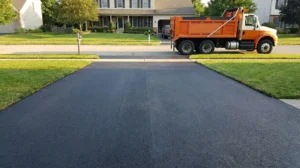
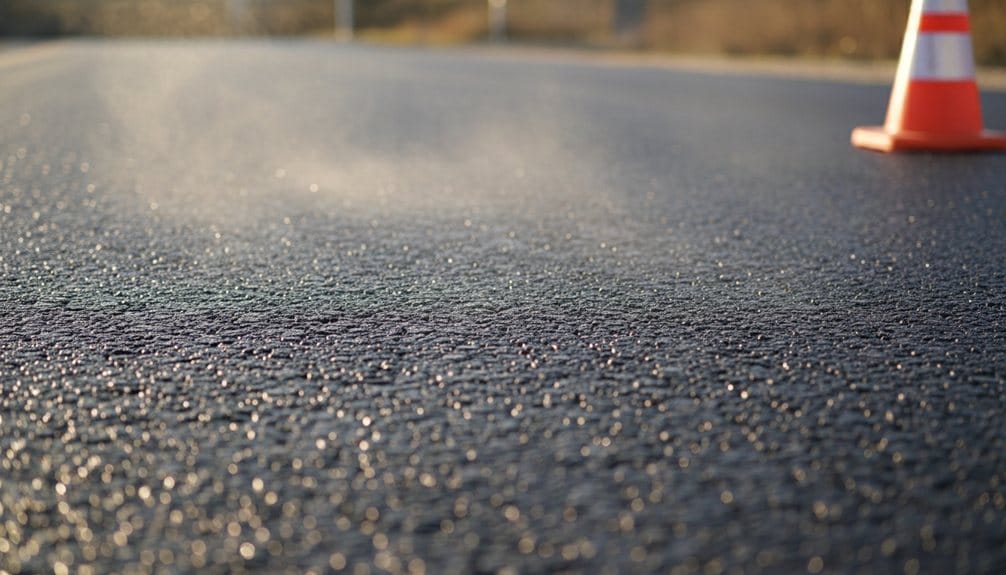
You can drive light vehicles on new asphalt after 24–48 hours, but here’s the catch: heavy trucks need 7–10 days minimum. Why? Fresh asphalt is still bonding chemically. Drive too soon and you’ll create permanent ruts that wreck durability. Weather matters hugely. Hot, sunny days speed curing; cold rain delays it. Check for a firm, dull surface with zero tackiness before rolling on. Skip this step and you’re looking at premature cracking and a shortened lifespan. Understanding what happens beneath that black surface reveals why timing isn’t optional.
Key Takeaways
- Wait 24–48 hours before driving regular cars; bicycles and pedestrians can use after 24 hours.
- Heavy trucks and vehicles require 7–10 days or longer to prevent rutting and surface damage.
- Warm, sunny, windy weather speeds curing; cold, rainy conditions can extend curing by a week.
- Check for firm, dull surface without tackiness or tire marks before driving; surface should feel cool.
- Avoid parking in same spot, sharp turns, and heavy braking during initial curing to prevent indentations.
How New Asphalt Cures Over Time
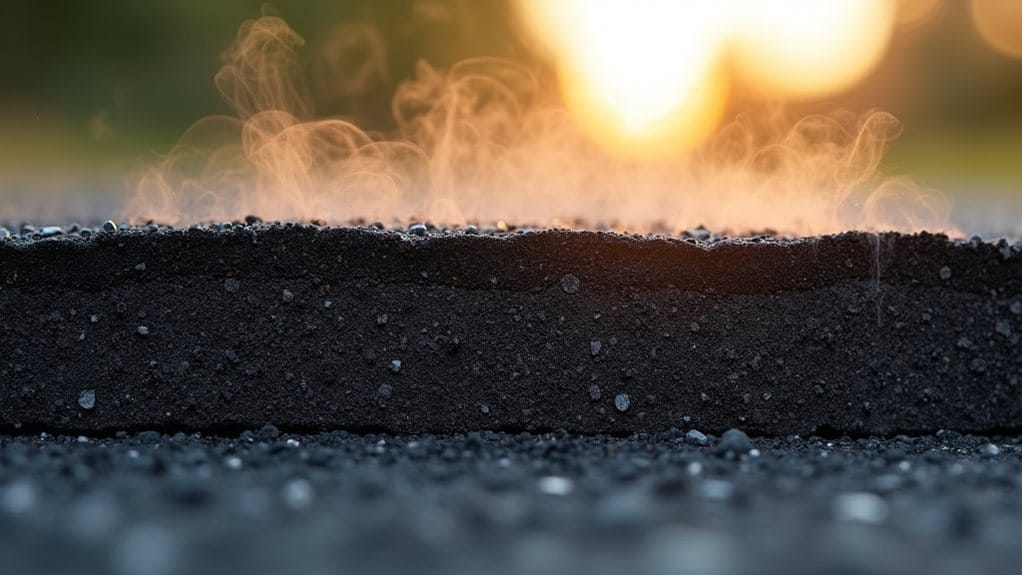
When crews install new asphalt, they’re laying down material hotter than boiling water. Your new asphalt driveway won’t be ready immediately. Patience matters here!
The Curing Process Unfolds in Stages
Hours before driving: The surface cools rapidly during the first 24 hours. Initial hardening begins, but your asphalt isn’t traffic-ready yet.
48–72 hours: This golden window is when you can safely drive on new asphalt. Light foot traffic works sooner, but vehicles need this timeframe.
Weeks to months: Chemical curing continues deep within the material. Full curing takes 6–12 months for complete strength.
What Affects Your Timeline?
Weather conditions dramatically impact everything. Warm, sunny days speed up the process.
Cold, rainy weather slows things down. Sometimes it adds a full week!
Thickness of the asphalt matters too. Thicker sections retain heat longer and need extra time.
Freshly paved areas in shade cure slower than sunny spots.
Our Central PA paving teams use top-grade materials and proven techniques to ensure each driveway cures correctly.
When Can You Drive on New Asphalt?
If you’re itching to use your freshly paved driveway, here’s the real talk: patience pays off!
Light Traffic First
Bicycles and foot traffic? You’re good after 24 hours. Regular cars need to wait 72 hours minimum. Heavy vehicles and parked trucks demand 7–10 days or longer.
What Affects Your Timeline
| Condition | Impact |
|---|---|
| Warm sunny conditions | Speeds up curing |
| Cool weather | Extends curing time |
| Surface tacky | Not ready yet |
| Glossy black sheen | Still curing |
| Firm, dull surface | Ready for traffic |
Your Reality Check
Touch the new asphalt. Does it feel firm and lose that glossy shine? Then you’re approaching go-time! Cold, wet, or shaded spots need extra patience for curing time.
Bottom Line
Follow your contractor’s guidance religiously. Protect your pavement longevity. It’s worth the wait!
Nathan’s Paving & Seal Coating recommends getting a free quote to start your project and ensure proper scheduling.
Why Driving on Fresh Asphalt Too Soon Causes Damage
So you’ve waited those 72 hours. Great! But here’s the catch. Your new asphalt isn’t fully cured yet.
Vehicle weight creates permanent problems. Heavy trucks pressing into the hot mix asphalt cause ruts and depressions. The binder hasn’t hardened enough to support the load.
Tire marks appear instantly. Hot asphalt sticks to tires. You’ll see drag marks everywhere, marring that smooth finish you paid for.
Compaction gets disrupted. Early traffic breaks up the careful layering work. The tack coat (bonding layer) gets damaged too.
Long-term deterioration accelerates fast. Premature wear, cracking, and flaking develop months earlier than expected. Even light driving during curing time compounds damage over time.
Full curing takes 6–12 months. That’s when your asphalt reaches maximum strength.
Regular maintenance like pothole repair and crack filling can prevent many of these problems and extend pavement life.
How Weather and Thickness Affect Drying Time
Warm, sunny conditions? You’re looking at 24–48 hours.
Cool, humid, or rainy weather? Expect 72+ hours. Your driveway needs heat and dry air to cure properly.
Thickness Matters Too
Standard residential asphalt (2–4 inches) needs 48–72 hours.
Commercial paving? Sometimes a full week! Thicker layers trap heat longer and require serious patience.
The Hidden Killer: Humidity
Even if your surface looks dry, high humidity weakens compaction underneath.
Rain doesn’t just slow drying time. It sabotages the entire curing process.
Bottom Line
Check weather conditions and asphalt thickness before planning your driveway use!
We recommend scheduling with experienced local contractors to ensure proper curing and longevity, especially when seal coating or thicker layers are involved.
How to Protect New Asphalt While It Hardens
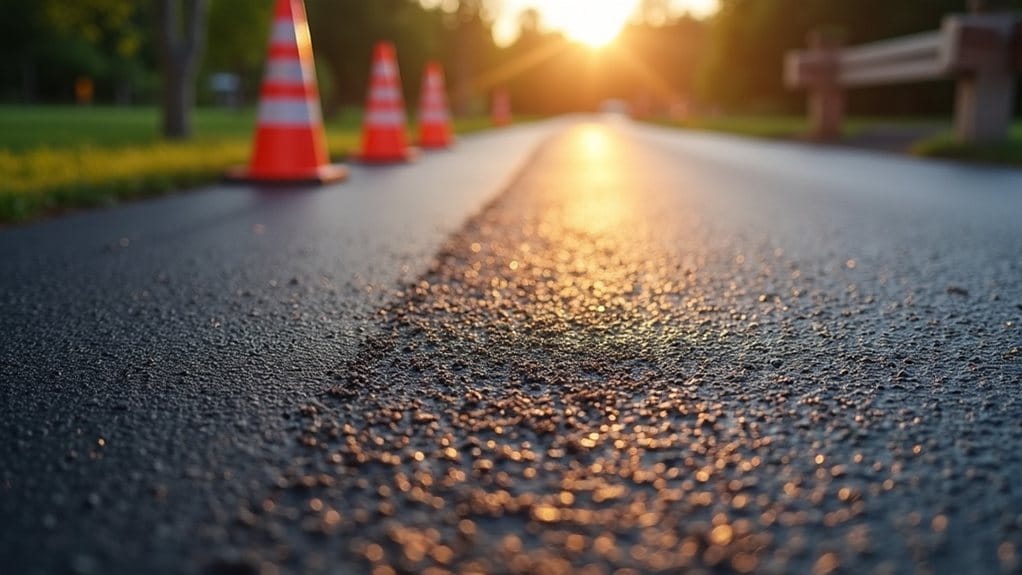
You’ve just poured fresh asphalt. Now comes the critical part!
Your driveway needs serious protection during its curing time. Minimize foot traffic for the first 24–48 hours. Sharp objects? They’re enemies! Avoid bicycle kickstands and puncture risks.
Heavy loads demand smart planning. Wait 48–72 hours before driving light vehicles. Heavy trucks need 7–10 days minimum. Use plywood under jacks and motorcycle kickstands to distribute weight evenly.
| Threat | Risk Level | Protection Method |
|---|---|---|
| Foot traffic | Medium | Stay off 24–48 hours |
| Gasoline spills | High | Clean immediately |
| Heavy equipment | Critical | Use plywood under jack |
| Kickstands | Medium | Place steel plates below |
| Pressure washing | High | Wait several weeks |
Watch for readiness signs: a matte appearance and firmness confirms curing success. Avoid repeated parking spots until completely hardened. Protect your surface. It’s your investment! As a professional paving company with over 20 years of experience, we recommend scheduling regular maintenance to extend pavement life and preserve your investment. Learn more about our parking lot installation services.
When Your New Asphalt Is Actually Ready to Drive On
Check these three things before you drive on new asphalt:
- No tackiness – Touch the surface gently. It shouldn’t feel sticky anymore.
- Cool temperature – It should feel roughly 90–100°F (32–38°C).
- Firm underfoot – Press lightly. No visible tire marks should appear.
Timeline for Different Vehicles
Light foot traffic and bicycles? 24 hours.
Regular cars? Wait 48–72 hours.
Heavy vehicles and RVs? 7–10 days minimum.
Weather Matters Big Time
Warm, sunny, windy days speed things up.
Cold, humid, rainy weather? That extends curing markedly.
Remember: Full structural curing takes 6–12 months.
Avoid parking in one spot repeatedly.
Skip sharp turns and heavy loads until then!
Our team ensures proper ground preparation to set the stage for long-lasting results.
Why Full Curing Takes Months
Although your new asphalt feels drivable in just a couple days, the real changes happen underground over months!
The Chemical Transformation
Your pavement undergoes serious oxidation and binder hardening. This process strengthens the asphalt’s structure dramatically. It’s not just sitting there. It’s actually getting tougher!
Thickness Matters More Than You’d Think
Each additional inch of compacted asphalt extends curing time by weeks. Thicker lifts retain heat longer. This heat accelerates the hardening process but also demands patience.
Weather Plays a Huge Role
Warm, dry, sunny conditions? They speed up full cure markedly. Cold, humid, or shaded spots? Those slow everything down by months.
The Stakes Are Real
Until complete curing finishes (6–12 months total), your pavement stays vulnerable to rutting and damage. Heavy loads during this critical period create permanent problems. Patience pays off. Regular maintenance and professional care can help protect curing asphalt and extend its lifespan, especially when you choose contractors with top-grade materials.
Frequently Asked Questions
How Long Should You Let Asphalt Cure Before Driving on It?
Light Use Only (24 Hours)
- Bicycles and foot traffic? You’re good!
- Cars? Not yet, friend.
The Real Deal
Your asphalt’s heat sensitivity and oil content demand patience.
Ambient humidity and seasonal timing affect everything.
Warm, sunny days? Faster curing.
Cool, rainy weather? Add extra days!
Heavy Vehicles?
- Trailers and RVs need 7–10 days minimum
- Load limits protect your investment
- Subbase stability depends on it
Remember: initial drying isn’t full curing!
Can You Drive on Brand New Asphalt?
Wait these timeframes:
- Light vehicles: 48–72 hours
- Trucks: 7–10 days minimum
Speed up curing with:
- Warm, dry weather
- Quality sealant types
- Proper compaction methods
- Strong substrate preparation
Check edge stability before driving!
How Long to Stay off a New Asphalt Driveway?
- 24 hours minimum before walking on it
- 48–72 hours before driving passenger vehicles
- 7–10 days before heavy trucks or RVs
Why the wait? Your driveway’s still curing! Temperature and weather matter hugely.
Cool conditions? Add extra days.
Your contractor’s warranty depends on you following these rules.
Check the surface. It shouldn’t feel tacky anymore.
Park differently for weeks.
Full chemical cure takes 6–12 months!
Will Driving on Fresh Asphalt Damage Tires?
Heavy load stress creates puncture risk from debris. Wheel alignment shifts from uneven surface grip.
Wait 48–72 hours minimum. Your tires will thank you!
Conclusion
You’ve got this! Your patience pays off big time. Fresh asphalt hardens like concrete setting in a mold. Give it 48-72 hours minimum before driving. Full curing takes 6–12 months. Skip the shortcuts. Premature driving creates expensive ruts and damage. You’re protecting your investment by playing it smart. Mark your calendar and stay off those beautiful new surfaces. Your driveway will reward your restraint with years of durability and performance!