Your driveway is ready for seal coating when the color fades from rich black to dull gray. You’ll also notice rough texture, hairline cracks under 1/8 inch, or water pooling instead of beading off. Oil stains signal lost protection too. If it’s been over 2 to 3 years since your last seal coat, act now. Waiting longer turns a simple fix into a costly replacement. Keep going to learn exactly what each sign means.
Key Takeaways
- Your driveway’s color has faded from rich black to dull gray, signaling oil evaporation and loss of flexibility.
- The surface feels rough and gritty due to UV oxidation, indicating sealcoating is needed to restore flexibility.
- Hairline or linear cracks have appeared, allowing water intrusion and accelerating deterioration without prompt sealing.
- Water no longer beads and runs off quickly, or small puddles form, indicating a thinning sealcoat.
- It has been over 2 to 3 years since your last sealcoat, making a reseal a good next step.
Your Driveway’s Color Is the First Sign It Needs Seal Coating
Your driveway’s color tells you a lot.
Fresh asphalt starts with a gorgeous, rich black color. That deep tone isn’t just pretty. It means your binder is healthy and protective.
But watch for this shift:
- Rich black, you’re good
- Dull gray, act now
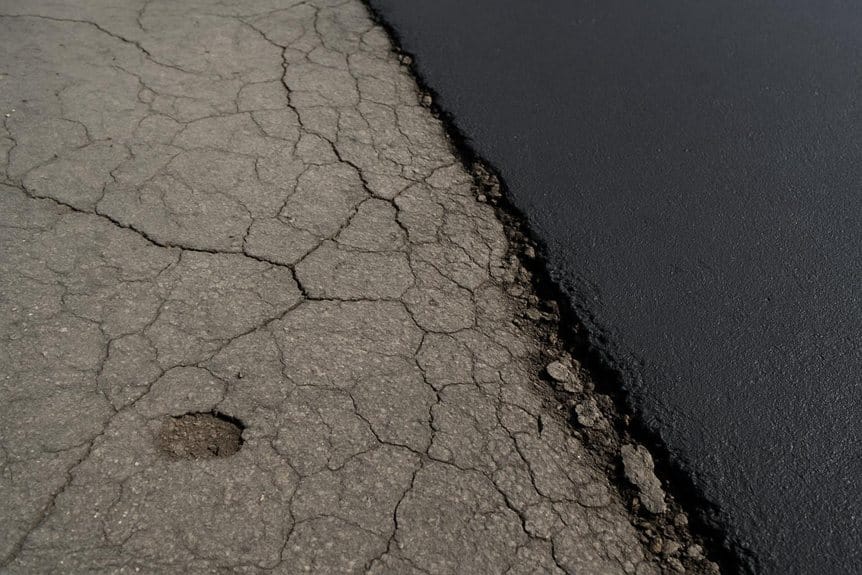
When your driveway fades from bold black to that lifeless dull gray, the surface oils have evaporated.
Flexibility drops. Brittleness rises. Cracking becomes your next headache.
Here’s your timeline:
- New asphalt, seal after 6 to 12 months
- Existing driveways, reseal every 2 to 3 years
Don’t ignore color changes.
Your driveway is literally showing you it needs help. Listen to it!
If you’re unsure, get a free consultation to assess your pavement and determine the right timing for sealcoating.
What Rough or Brittle Texture Is Actually Telling You
That coarse feeling isn’t random. UV oxidation and traffic wear are stripping your pavement’s flexibility, fast.
The real danger? Rough texture often comes before spider-web cracks. Once those appear, repairs get expensive quickly.
Your window is right now.
When your asphalt feels gritty and looks faded gray, sealcoating is a smart move. It replenishes lost oils and helps rebuild flexibility.
Sealcoat every 2 to 3 years. Protect the surface before it crumbles further.
Our team in Carlisle uses thorough cleaning and a quality sealant for long-lasting protection and a clean finish.
Small Cracks That Mean It’s Time to Act
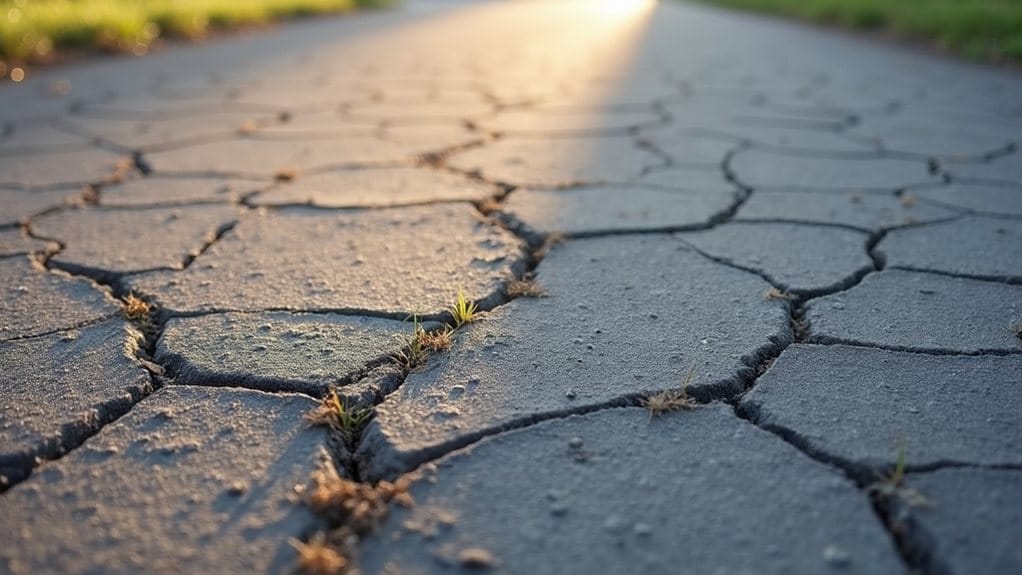
That rough gray texture is just the opening act. Small cracks are the real warning signal!
Watch for these urgent signs:
- Hairline cracks under 1/8 inch, water sneaks in fast
- Linear cracks from heat and cold cycles, freeze-thaw damage accelerates quickly
- Gray faded surfaces with multiple fractures, oxidation has stripped protective oils
- Cracks approaching 1/4 inch wide, you’re nearing costly repair territory
Don’t wait. Sealing small cracks now costs a fraction of full replacement.
Water is your driveway’s worst enemy. It penetrates cracks and damages the base beneath.
Schedule sealcoating within 6 to 12 months of spotting these signs. Stop those cracks from spreading before they become expensive potholes!
Nathan’s Paving & Seal Coating brings over 20 years of experience and a commitment to quality materials to every project, so consider getting a free quote to start.
Water Pooling Instead of Running Off Signals Seal Coat Failure
When puddles linger on your driveway after rain, your sealcoat has likely failed. A healthy surface lets water bead and run off quickly. Pooling allows water to seep into your pavement’s base, which can cause structural damage.
Watch these warning signs:
- Puddles larger than a few inches across
- Standing water lasting 24 to 48 hours
- Low spots where sealant has thinned
| Condition | What It Means | Action Needed |
|---|---|---|
| Water beads and rolls off | Sealcoat is working | Monitor annually |
| Small puddles form briefly | Sealcoat is thinning | Schedule resealing soon |
| Persistent pooling after rain | Sealcoat has failed | Reseal soon |
| Puddles exceed 48 hours | Base erosion is starting | Repair then reseal |
Don’t wait. Pooling damages driveways fast!
Regular maintenance by experienced professionals can help prevent such damage, and our team’s commercial parking lot sealing work focuses on durable results.
Oil Stains Signal Where Your Asphalt Has Lost Its Protective Barrier
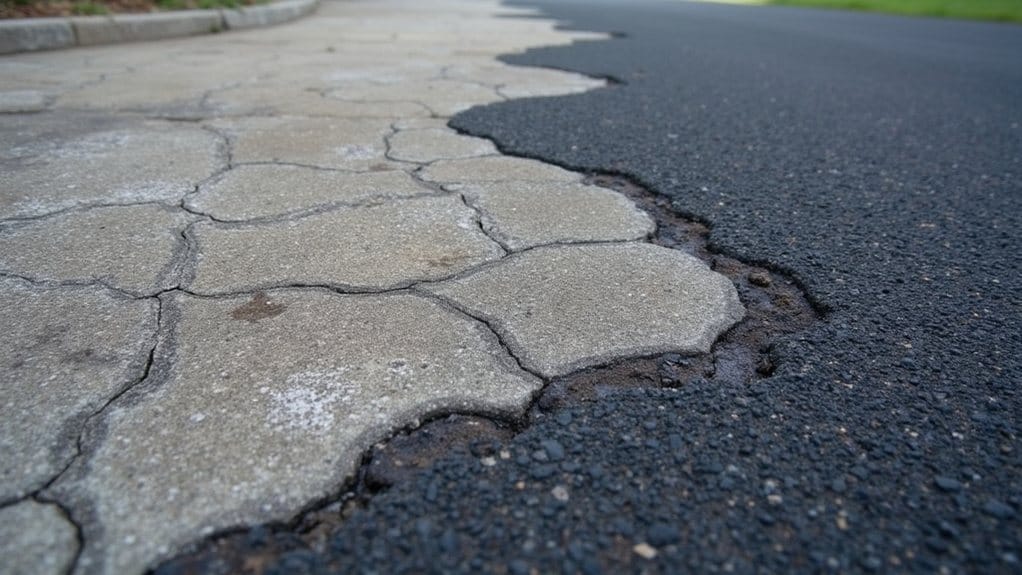
Clean and repair concentrated stains before sealcoating.
This supports proper adhesion and helps with protection.
Don’t ignore these warning signs. Your driveway is practically begging for help!
Regular maintenance, including sealcoating at recommended intervals, helps prevent costly repairs and extends the life of your driveway.
How Long Before You Can Seal a New Driveway?
The golden window:
- Minimum: 6 months
- Ideal: 6 to 12 months
- Hot sunny conditions: Closer to 6 months
- Shaded or cool areas: Push toward 12 months
Don’t trust the calendar alone. Trust your eyes and hands instead.
Your driveway is ready when:
- Color has faded from deep black to lighter gray
- Surface feels firm, with no tackiness
- No oily sheen remains
Time is your ally here. Give new asphalt the patience it deserves and your sealcoat should hold up well. A professional groundwork preparation assessment can help confirm readiness and support long-lasting results.
How Soon Is Too Late to Seal an Aging Driveway?
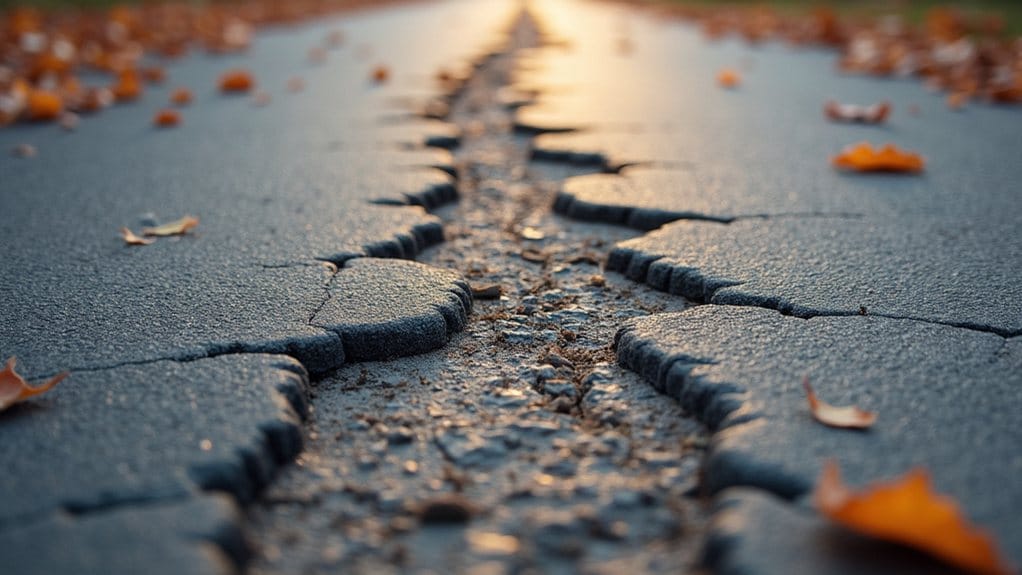
Watch for these urgent warning signs:
- Surface cracks and potholes, sealcoat won’t fix deep structural damage
- Crumbly granular texture, replacement is usually better than resealing at this stage
- Widespread gray oxidation, water infiltration and freeze-thaw damage accelerate fast
- Oil bleeding or soft spots, cleaning and repairs must come first
Here’s the truth: once deterioration spreads, sealcoating is no longer effective.
You’ll need full resurfacing or replacement instead.
Act before the damage wins. Catching problems early saves serious money.
Don’t wait for potholes to make the decision for you!
Nathan’s Paving offers free, no-obligation consultations to help determine whether sealcoating or full resurfacing is right for your driveway.
What Happens When You Wait Too Long to Seal
Delaying sealcoating doesn’t pause damage. It can accelerate it.
Oxidation starts early. Your asphalt fades from rich black to brittle gray. Then cracks form. Then water sneaks in.
Here’s what waiting too long can cost you:
- Hairline cracks lead to freeze-thaw cycles lead to potholes
- Surface pooling leads to binder erosion leads to structural failure
- Oil stains lead to soft spots lead to reduced load capacity
That’s a rough progression.
What starts as a simple sealcoat can become patching. Patching can become resurfacing. Resurfacing can become full replacement.
That’s much higher repair costs, much of it preventable.
The 2 to 3 year window exists for a reason. Miss it repeatedly and your driveway pays the price.
Don’t wait. Seal it now.
Our Central PA team provides free quotes and follows industry standards for durable results, with strong customer reviews.
How Often Does Your Driveway Actually Need to Be Resealed?
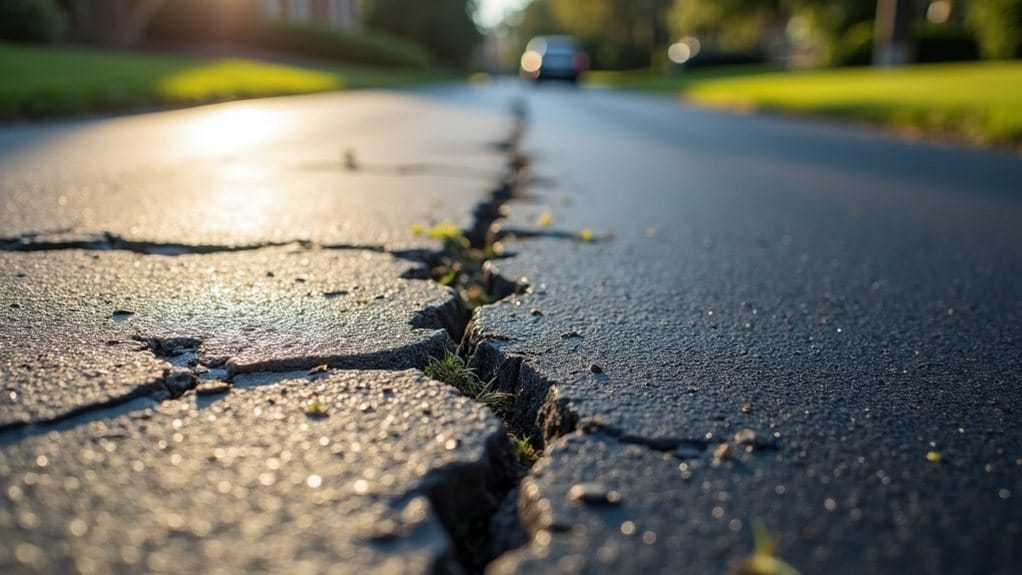
Here’s what drives your resealing schedule:
- High traffic shortens your window to roughly 2 years
- Low traffic driveways can stretch closer to 3 years safely
- New asphalt needs 6 to 12 months to cure before your first coat
- Over 3 years since last application? Reseal your driveway soon
Don’t guess. Inspect regularly. Your driveway tells you a lot. Fading color and cracks mean it’s time. Act before oxidation takes over.
Timing matters too. Schedule sealcoating during warm dry conditions before winter hits. That supports protection and cure time well!
Fast, free quotes are available to help plan your resealing project. Get a free quote to receive a detailed estimate within 48 hours.
Frequently Asked Questions
What Is the Best Time of Year to Seal Coat a Driveway?
- Early spring: Wait until nights stay above 50°F
- Late summer: Prime conditions, low humidity and warm heat
- Mild fall: Schedule 48 to 72 hours before any freeze
Avoid rainy seasons completely. Moisture hurts adhesion fast!
Your sweet spot? Moderate humidity and sunshine. That’s your green light!
How Soon Can You Drive on a Driveway That Has Been Seal Coated?
Know these curing timeframes:
- Foot traffic precautions apply after 12 to 24 hours
- Light vehicles, wait 24 to 48 hours
- Heavy vehicle weight, wait 5 to 7 days
Patience protects your investment!
Don’t rush it!
How Much Does It Cost to Seal a 2000 Square Foot Driveway?
Here’s your quick material breakdown:
- Basic sealcoat: $0.08 to $0.25/sq ft
- Premium (sand/fiber added): $0.25 to $0.40/sq ft
Labor estimates run $200 to $1,000+ if repairs are needed first.
Bottom line? Budget $500 to $800 for quality work.
Ask contractors about senior or veteran discounts. You may save real money!
How Do You Know When Your Driveway Needs to Be Sealed?
Watch for these red flags:
- Crack patterns spreading like spider webs
- Oil stains eating into your surface
- Drainage problems, water pooling after rain
- Faded gray color instead of rich black
Here’s your rule: Every 2.5 to 3 years, reseal it. Don’t wait!
Conclusion
Your driveway is telling you something right now.
Listen to it.
Picture a homeowner who ignored fading and small cracks for two years. The repair bill grew much higher than a simple seal coat would have cost.
Act on the signs early:
- Fading color
- Rough texture
- Small cracks
- Water pooling
Seal it now. Protect your investment. Your driveway’s future starts today.
Seeing those signs on your own driveway? Nathan’s Paving offers asphalt sealcoating in Carlisle and in the surrounding Central PA area.
Want the whole picture in one place? Read our complete guide to driveway sealcoating in Central PA.