Sealcoating is one of the simpler ways to protect asphalt. It is also easy to get wrong. The weather, the prep, and the timing all play a part.
This guide is for homeowners and businesses in Lebanon. It explains when to seal, what to fix first, and what to expect on the day.
What Does Sealcoat Do?
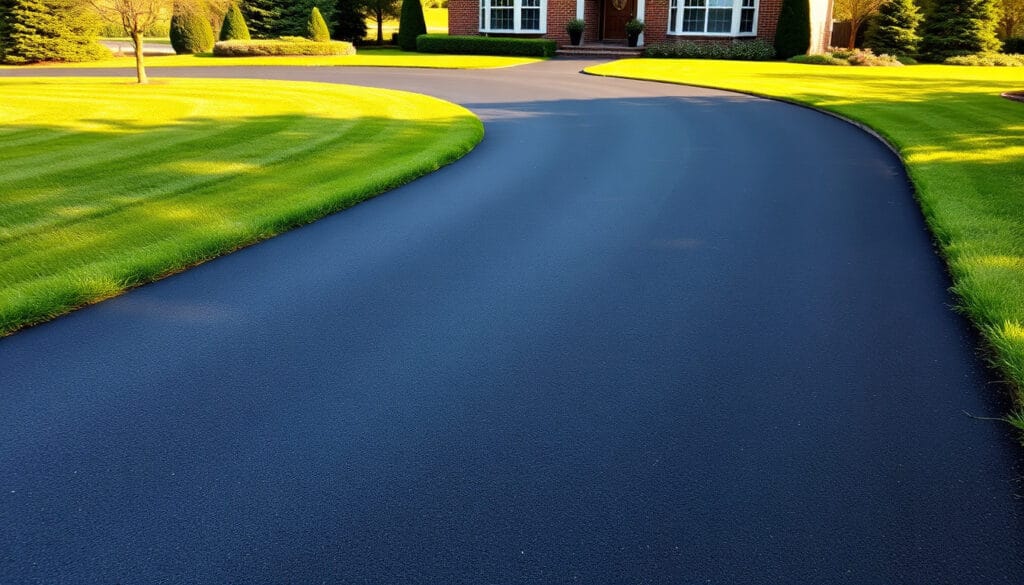
Sealcoat is a thin protective layer over asphalt. It slows damage from sun, water, and oil. It also gives the surface a clean, dark look.
Think of it like paint on a fence. It protects what is already there. It does not rebuild what has broken.
What Does Sealcoat Not Fix?
This part is important. Sealcoat will not repair:
- Wide cracks.
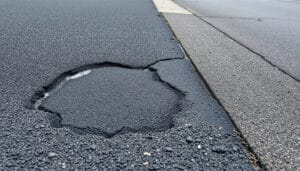
- Potholes.
- Sunken or soft spots.
- A failed base.
If the surface is badly broken, a new layer or repair may be the right choice. Our guide on seal coating vs resurfacing can help you decide which one fits.
When Is the Surface Ready for Sealcoat?
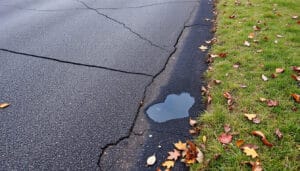
Look for a surface that is solid but starting to fade. Asphalt turns from deep black to gray as it ages. That is a sign it is losing its protection.
Other signs include:
- Fine hairline cracks.
- A rough, dry feel.
- Small stones loosening on the top.
- Water soaking in instead of beading up.
Read our list of signs your driveway is ready for seal coating for a closer look.
Is a New Driveway Ready Right Away?
No. New asphalt needs time to cure before it takes a coat. Sealing too soon can trap oils and cause problems.
Our post on when to seal a new asphalt driveway explains how long to wait.
Why Do Cracks Come First?
Sealcoat is thin. It will not bridge an open crack. If you coat over a crack, water still gets in.
That is why crack filling comes before the coat. A careful crew fills cracks first so the sealcoat sits on a smooth, sound surface. See our guide on how to repair cracks before sealcoating for the reasons.
What Prep Comes Before the Coat?
Prep decides how well a coat lasts. A typical job includes these steps:
- Sweeping and blowing off dirt and debris.
- Pulling weeds and cleaning the cracks.
- Treating oil spots so the coat can bond.
- Filling cracks.
- Cutting in the edges for a neat line.
You can help by clearing the driveway or lot. Move cars, trash cans, and toys. Turn off sprinklers for a couple of days before and after. Our driveway prep guide has a full checklist.
What Weather Do You Need?
Sealcoat needs warm, dry weather. It needs at least 55 degrees and rising. It should not drop below 50 degrees for about two days after the work.
Rain can wash out a fresh coat. A careful crew watches the forecast and moves the date when needed. A short delay is better than a rushed job.
In Lebanon, the safest window is late spring through early fall. Late in the season, a warm afternoon can be misleading, because cold nights slow the drying. Our post on whether to sealcoat in the fall explains this trap.
How Long Should You Stay Off It?
Keep cars and foot traffic off until your crew says it is ready. Plan for a day or two without parking on the surface.
A soft coat can leave marks from tires and shoes. Pets and kids can track it into the house. Block off the driveway with cones or tape if the crew has not done so.
For more detail, see how long sealcoating takes to dry.
What About Businesses and Shared Lots?
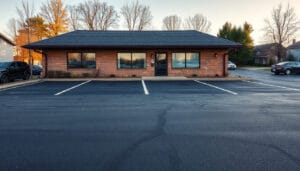
A shop, church, or HOA lot needs more planning. More people use it, and it often cannot close for a full day.
- Work in sections so part of the lot stays open.
- Pick a day with fewer visitors.
- Post signs and tell people the plan.
- Keep an accessible path open as long as you can.
- Plan to restripe once the coat cures.
Our guide to commercial parking lot sealing covers the steps for larger properties.
How Often Should You Seal?
It depends on the surface, the traffic, and the sun. Many owners reseal every few years. A fresh look at the surface will tell you more than a calendar.
Our post on how often to reseal an asphalt driveway explains what to look for.
What Mistakes Should You Avoid?
A few errors cause most of the trouble:
- Sealing over open cracks.
- Coating a dirty or oily surface.
- Working in cold or wet weather.
- Driving on the coat too soon.
- Watering the lawn near the edge.
A short checklist before the work starts prevents all of these.
What Does a Sealcoat Day Look Like?
Knowing the day helps you plan. Here is a simple picture of how it goes:
- The crew arrives and walks the surface with you.
- They clean it and mark the cracks and oil spots.
- Cracks are filled and oil spots are treated.
- The edges are cut in, and the coat is applied in even layers.
- The area is blocked off while it sets.
The whole job is often done in a day for a driveway. Larger lots take longer. Your crew will give you a time for your property.
How Do You Care for a Fresh Coat?
A new coat needs a little care at first. Keep these tips in mind:
- Stay off the surface until the crew gives the go-ahead.
- Drive slowly and avoid sharp turns for the first few days.
- Do not park in the same spot over and over in hot weather.
- Sweep away leaves and loose dirt now and then.
- Fill new cracks early so water cannot get in.
Small habits help the coat do its job. They also help you spot trouble before it grows.
When Is It Time to Call a Pro?
Some owners handle small jobs themselves. Others prefer a crew that does this work every week. Call a pro if:
- You have wide cracks or soft spots.
- The lot is large or shared.
- You are not sure the surface is ready.
- You do not have the time or tools to do the prep.
A free estimate lets you hear the options before you spend anything. You can ask what the surface needs and what can wait.
Frequently Asked Questions
Can I sealcoat a driveway myself?
Some people do. It takes dry weather, a clean surface, the right tools, and a few free days. The prep often takes longer than the coat.
Does sealcoat fill cracks?
No. Cracks are filled first. Sealcoat is a thin layer that protects the surface.
What if it rains after the work?
Rain can harm a fresh coat. A good crew checks the forecast and moves the date if needed.
More Paving Guides
Get a Free Estimate
Nathan’s Paving & Seal Coating has worked in Central PA for over 20 years. We handle paving and seal coating in Lebanon, PA for homes and businesses.
Estimates are free. Call (717) 648-5030 or email nathanpaving@gmail.com. We will look at your surface, tell you what it needs, and plan the work around the weather.