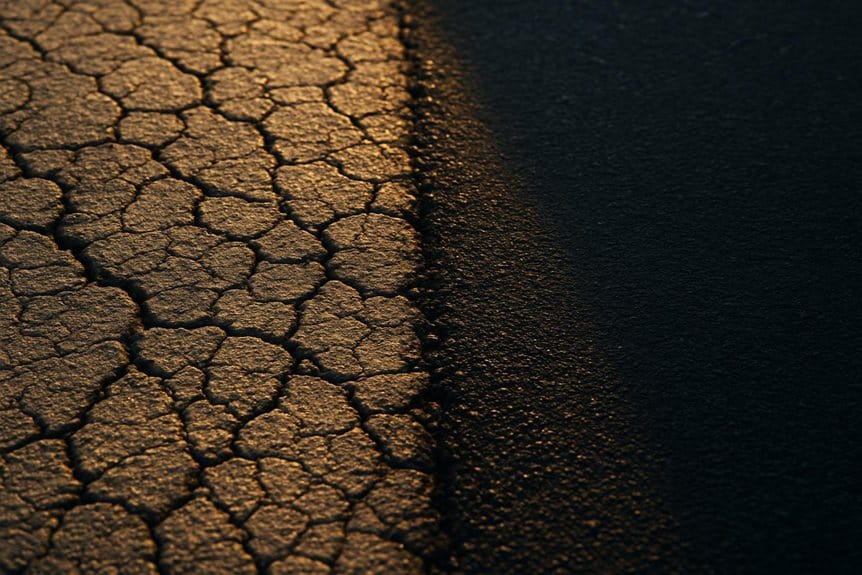
Asphalt oxidation is the chemical breakdown of your pavement’s binder caused by oxygen, UV rays, and heat. These forces strip out essential oils, making your asphalt brittle, gray, and prone to cracking. You can prevent it by applying sealcoat every 2 to 5 years, filling cracks early, and staying proactive before small damage becomes expensive reconstruction. Catch it early and you’ll save thousands. Keep going to uncover exactly how.
Key Takeaways
- Asphalt oxidation occurs when oxygen and UV rays break down the binder’s natural oils, causing pavement to harden, fade, and crack over time.
- As oxidation progresses, essential oily fractions (maltenes) are stripped away, making the binder brittle and reducing its ability to flex under stress.
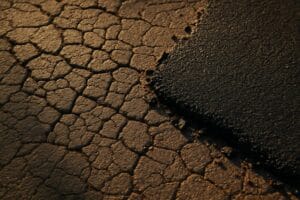
- Key warning signs include a color shift from black to gray, a chalky surface appearance, raveling, and visible hairline or alligator cracking.
- Heat, moisture, and UV radiation all accelerate oxidation; oxidation rate doubles with every 10°C (18°F) increase in temperature.
- Sealcoating every 2.5 to 5 years blocks UV, oxygen, and water, offering a cost-effective prevention when applied before serious damage develops.
What Is Asphalt Oxidation?
Here’s what’s actually happening:
- Oxygen and UV rays break down the binder’s natural oils
- The asphalt binder loses flexibility and hardens fast
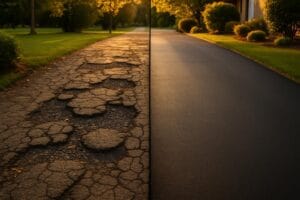
- Your surface shifts from rich black to light grey
That color change? It’s not just cosmetic. It’s your pavement telling you something critical is happening beneath the surface.
Asphalt oxidation turns a flexible, durable surface into a brittle, cracking nightmare. And here’s the kicker. Higher temperatures double the reaction rate every 10°C.
Early detection is everything. Regular sealcoating helps protect the binder and extend pavement life by preventing oxidation.
How Oxidation Physically Changes Your Asphalt Binder
Think of your asphalt binder like a sponge soaked in oil. Oxidation literally squeezes that oil out!
Your asphalt binder loses its flexible maltenes and gains rigid asphaltenes. The result? An oxidized binder that becomes brittle and cracks under pressure.
UV radiation and heat accelerate this process dramatically. Every 10°C temperature increase doubles the oxidation rate. That’s serious damage happening fast!
Here’s what oxidation physically does:
- Breaks long hydrocarbon chains apart
- Removes essential oily fractions (maltenes)
- Increases viscosity markedly
- Reduces ductility and flexibility
- Makes your pavement crack-prone and fragile
Once your binder becomes brittle enough to show hairline cracks, you’re already losing the battle. Act early!
Regular maintenance such as sealcoating and timely crack filling extends pavement life and helps prevent oxidation-related deterioration.
What Causes Asphalt to Oxidize?
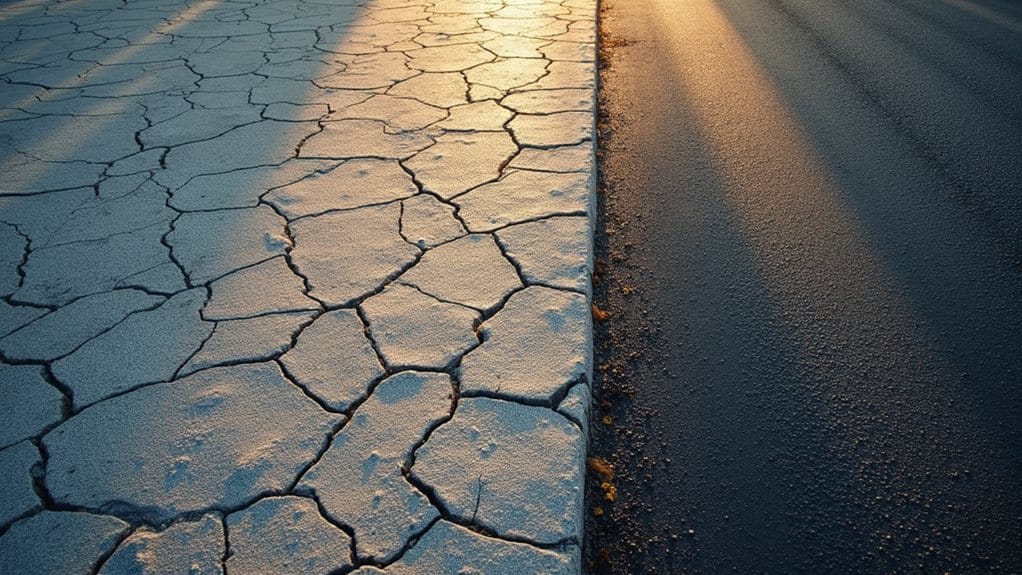
Now that you know how oxidation physically destroys your binder, let’s talk about what’s actually causing it.
The Main Culprits:
- Oxygen. When oxygen reacts with your binder’s molecules it breaks chemical bonds and strips away flexibility
- Ultraviolet (UV) rays. Sunlight drives photochemical reactions that aggressively degrade your asphalt surface
- Heat. Every 10°C rise doubles your oxidation rate. That’s brutal!
- Moisture. Water opens pathways letting oxygen reach deeper binder layers
- Mechanical wear. Raveling exposes fresh binder constantly
Here’s the scary part:
These causes don’t work alone. They stack against you!
The oxidation of asphalt accelerates when multiple factors combine. Your pavement will become brittle faster than you’d expect.
Knowledge is your first defense.
Seal coat your driveway this year with Nathan’s Paving & Seal Coating to help protect against these effects and extend lifespan with professional application.
How Quickly Does Asphalt Oxidation Progress?
Here’s what drives the rate of oxidation:
- Heat doubles oxidation speed every 10°C (18°F) increase
- Sunlight and UV radiation break down binders aggressively
- Cracks expose fresh binder to more oxygen immediately
- Visible damage, such as gray color and brittleness, appears within 1 to 5 years
- Higher airflow around your surface accelerates breakdown further
You’re not helpless though. Sealcoating every 2.5 to 5 years blocks oxygen, UV radiation, and moisture effectively.
Think of sealcoating as sunscreen for your pavement. Skip it and oxidation gains ground. Stay consistent and your asphalt lasts markedly longer!
Regular maintenance and timely repairs from experienced contractors help extend pavement life. Nathan’s Paving has served many satisfied clients across Central Pennsylvania.
What Are the Warning Signs of Asphalt Oxidation?
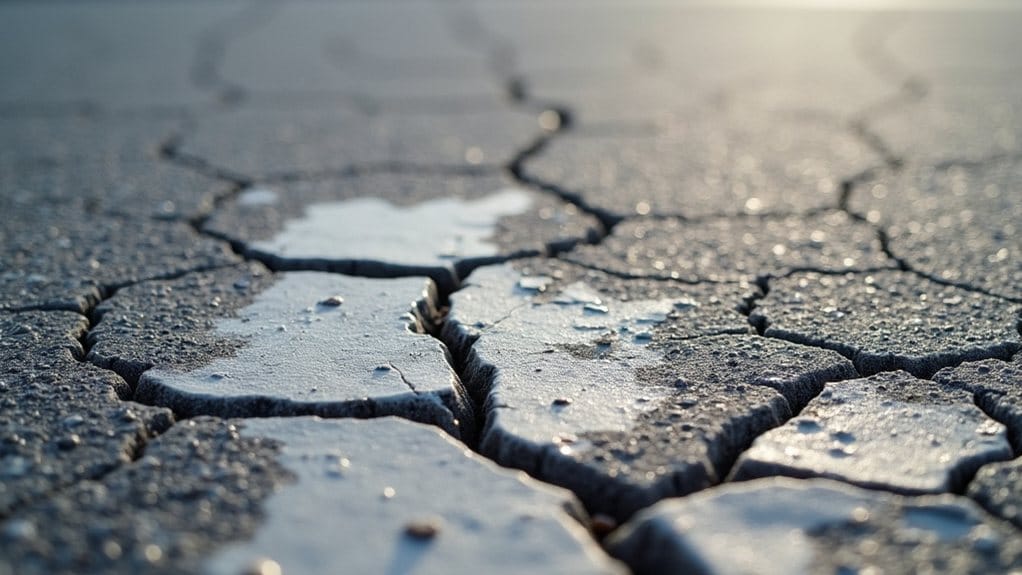
Your pavement sends clear distress signals. Ultraviolet (UV) rays attack your asphalt pavement daily. Don’t ignore the evidence!
| Warning Sign | What It Means |
|---|---|
| Black color fading to gray | Binder oxidation has begun |
| Hairline and alligator cracks | Loss of flexibility from oxidation |
| Raveling and loose aggregate | Binder no longer holds particles |
| Chalky dull appearance | Advanced oxidation is present |
| Small cracks growing into potholes | Structural integrity is compromised |
Spot these signs early. Color change is your first clue. Gray pavement signals trouble!
Next come small cracks. Then crumbling edges follow fast. Each sign confirms that oxidation is progressing on your pavement.
Nathan’s Paving & Seal Coating recommends regular maintenance like sealcoating to help protect and extend pavement life.
Act promptly. Your pavement’s life depends on it!
What Happens If You Ignore Asphalt Oxidation?
Ignoring oxidation is like skipping oil changes. The damage compounds fast. UV radiation breaks down your asphalt’s binder oils quickly. Small cracks grow into big problems. Water sneaks in and damages your base layers.
Here’s what neglect actually costs you:
- Hairline cracks widen and invite water damage
- Raveling surfaces lose grip and durability fast
- Weakened base layers can fail under normal traffic loads
- Potholes form and damage structural integrity
- Skipping sealcoating can turn a small fix into a costly reconstruction
The math is brutal. Oxidation rates double every 10°C in temperature increase. That’s exponential deterioration, not gradual decline.
Early treatment is cheap. Reconstruction is expensive. You choose which bill you’re paying. Routine maintenance helps extend lifespan and save money.
How Seal Coating Protects Asphalt From Oxidation
When oxygen, UV rays, and water hit your asphalt, they take a toll. Unless you seal coat it first.
What Seal Coating Actually Does
A quality sealant creates a protective film over your surface. It blocks three oxidation villains:
- UV radiation
- Water infiltration
- Oxygen exposure
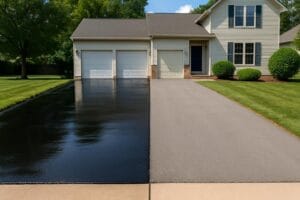
That barrier helps keep your asphalt binder flexible and dark, not brittle and gray.
When and How Often?
Apply seal coating every 2.5 to 5 years depending on traffic. Start early, within your pavement’s first few years.
Early action delivers strong oxidation protection.
Application Rules That Matter
- Surface must be clean and dry
- Temperatures must stay above 50 to 70°F
Follow these rules and your sealant cures properly. Skip them and you’ve wasted your investment.
Fast, free quotes are available for paving and seal coating projects to help plan your maintenance with competitive pricing.
When Should You Apply Seal Coating to Your Pavement?
Getting the timing right on seal coating makes or breaks your results.
Apply it too late and oxidation has already weakened your asphalt. Apply it under wrong conditions and it won’t cure properly.
Nail these five timing rules:
- Apply every 2.5 to 5 years based on traffic and sunlight exposure
- Seal early, before cracking or raveling starts
- Wait for temperatures above 50 to 70°F for proper curing temperature
- Keep traffic off the fresh coat until fully cured
- Avoid applying if rain is expected within 24 to 48 hours
High-traffic or sun-baked pavements need that shorter interval.
Don’t wait. Early action helps protect your binder flexibility and extends pavement life! A trusted local contractor with over 20 years of experience can help determine the best timing for your seal coating.
How to Repair Asphalt That Is Already Oxidized
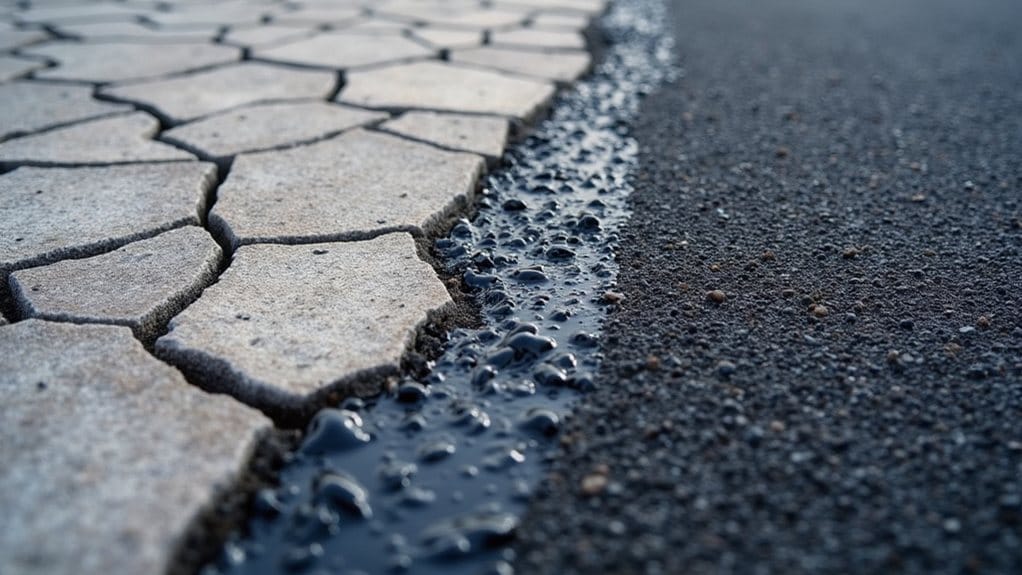
Every repair tier costs more than the last. Catch oxidation early and a sealcoat can save you thousands. Wait too long and reconstruction wins.
Act before the damage decides for you. A timely sealcoat from Nathan’s Paving can help protect faded driveways and extend pavement life.
Frequently Asked Questions
What Does Oxidation Do to Asphalt?
Here’s what happens:
- UV degradation breaks down the binder chemically
- Binder hardening makes asphalt rigid and brittle
- Surface embrittlement leads to microcrack formation
- Color fading signals serious molecular damage
Your once-black pavement turns gray. That’s a warning!
Reaction rates double every 10°C increase. Heat accelerates everything.
Act early. Sealcoat now. Save thousands later!
What Dissolves Oxidation?
What they actually do:
- Remove surface contaminants
- Strip remaining oils if misused
Your real options:
- Petroleum rejuvenators help restore flexibility
- Sealcoats help block further damage
Bottom line. You mitigate oxidation. You don’t dissolve it.
How Many Years Should an Asphalt Driveway Last?
Key lifespan factors that matter:
- Soil drainage prevents base failure
- Coating options every 2.5 to 5 years help extend life
- Repair frequency reduces long-term installation costs
Neglect it? You’ll likely see under 12 years.
Maintain it? You may hit 25!
Why Can’t You Pave in the Winter?
Here’s what goes wrong:
- Freeze damage cracks fresh pavement fast
- Curing delays weaken the entire surface
- Sealant timing gets completely thrown off
Your equipment startup takes longer in freezing conditions too.
Below 40°F? The mix hardens too quickly. You’ll get poor compaction and early failure.
Wait for spring. Seriously.
Conclusion
Your asphalt is fighting oxidation every single day.
You can catch it early, seal it properly, and help protect your investment. Or you can ignore it, watch cracks spread, and pay for full replacement.
Staying proactive saves thousands. Waiting costs thousands.
Seal your pavement. Stop the oxidation. Protect your property.
The choice is yours. But the clock is already ticking.
Nathan’s Paving offers asphalt services in Harrisburg, PA and across Central Pennsylvania, including the seal coating that stops oxidation before it turns into a resurfacing bill.