
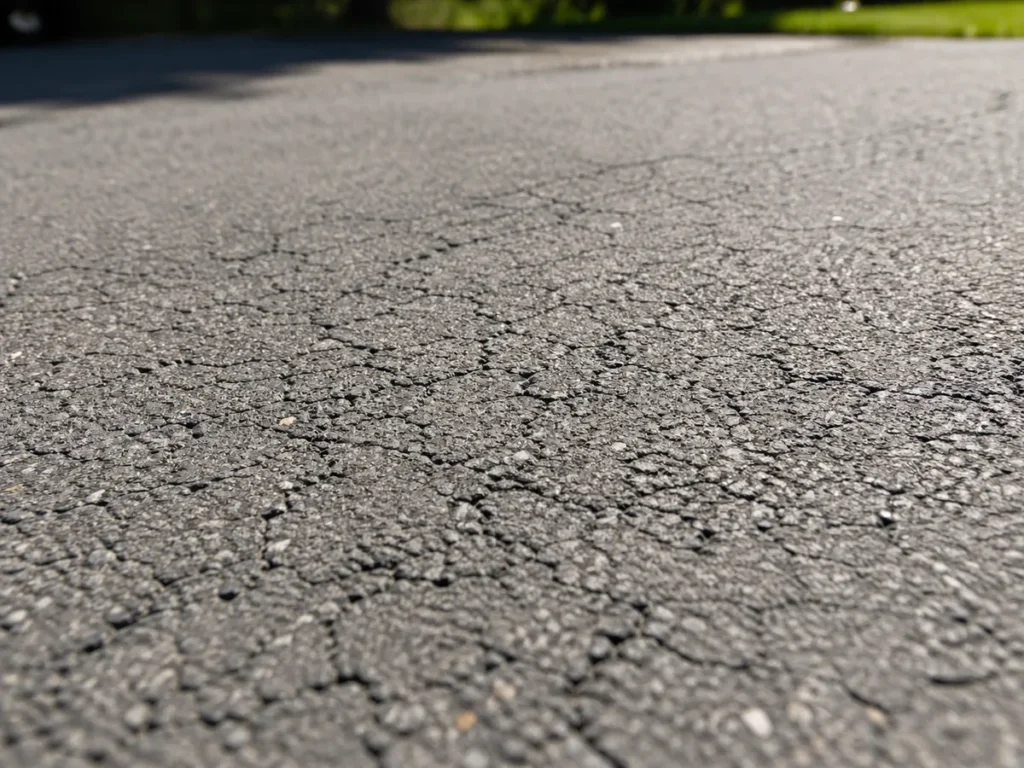
Protect your asphalt driveway from harsh UV rays with regular sealcoating every 2-3 years. Apply two thin coats of professional-grade sealant for maximum protection. Create shade using strategic tree placement or structures like pergolas. Maintain proper drainage with a 2% slope and clear debris regularly. Don’t wait until you see gray fading – start protection within the first 6 months. Taking action now protects your investment for the long run.
Key Takeaways
- Apply a high-quality sealcoat every 2-3 years to create a protective barrier against harmful UV rays.
- Install shade structures or plant trees strategically to minimize direct sunlight exposure on your driveway.
- Conduct regular inspections to identify and repair cracks promptly before UV damage worsens existing problems.
- Maintain proper drainage to prevent water pooling, which can accelerate UV-related deterioration when combined with sun exposure.
- Use professional-grade materials and services for maintenance to ensure maximum protection against UV damage.
Understanding UV Damage to Asphalt Surfaces
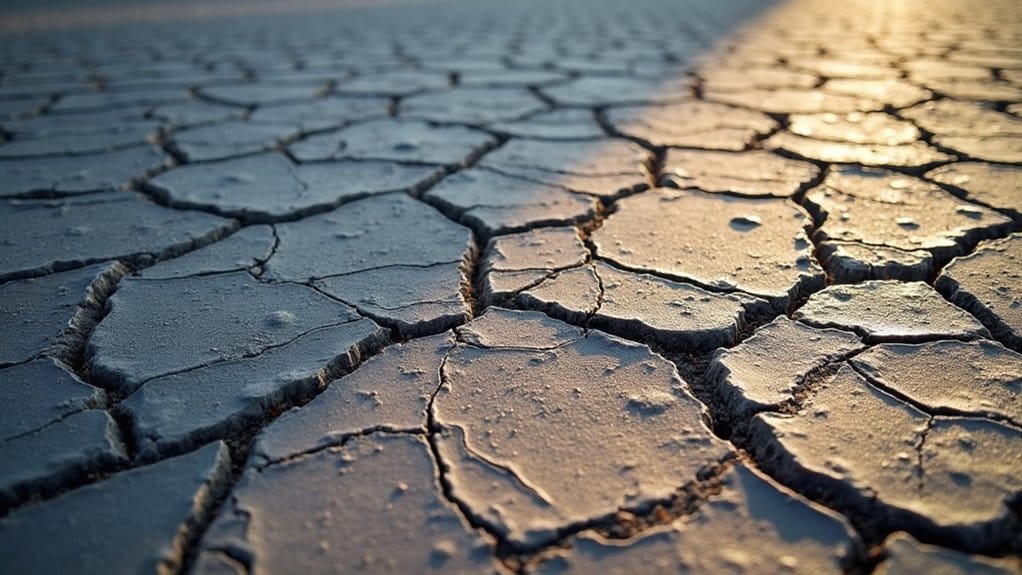
Ever wonder why your beautiful black asphalt driveway starts looking gray and worn? The sun’s powerful UV rays are likely the culprit! Your driveway faces constant UV exposure that breaks down the essential binding materials in asphalt.
Think of your driveway as skin that needs protection from the sun. Daily temperature fluctuations make it worse. The asphalt expands in the heat and contracts in the cold. This creates tiny cracks where water can seep in.
The Damage Timeline:
- First 6 months: Minor fading begins
- 1-2 years: Surface becomes noticeably gray
- 2-3 years: Small cracks may appear
- 4+ years: Major deterioration possible
Don’t wait until you see significant wear. Understanding how UV damage affects your driveway helps you take action before serious problems develop. Regular sealcoating services can extend the life of your asphalt by providing a protective barrier against such damage.
Regular Sealcoating: Your First Line of Defense
Sealcoating is your driveway’s most reliable defense against UV damage.
You’ll want to apply a fresh coat every 2-3 years for maximum protection. It creates a protective barrier that reflects harmful rays and prevents oxidation.
| Timeline | Action | Expected Results |
|---|---|---|
| Year 1 | Initial Coat | Fresh Protection |
| Year 2-3 | Inspection | Evaluate Wear |
| Year 3+ | Recoat | Renewed Defense |
Application technique matters. Start with a clean surface and choose a dry, warm day. Use professional-grade sealant and apply it evenly with specialized tools. You’ll need two thin coats for the best results. Remember, Nathan’s Paving & Seal Coating offers high-quality materials and equipment for optimal results.
Remember: Don’t rush the process! Let each coat dry completely before adding another. Your investment in proper sealcoating will extend your driveway’s lifespan significantly.
Effective Drainage Solutions for Surface Protection
Proper drainage is the foundation for protecting your asphalt.
You’ll want to implement smart drainage techniques right away. Start by guaranteeing your driveway has a minimum 2% slope away from your home’s foundation. This prevents water pooling and surface deterioration.
Strategic Planning Tips:
- Install French drains along the edges (12-18 inches deep)
- Add catch basins at low points
- Use permeable surface materials for border areas
Your drainage system needs annual inspection. Clear debris from channels and guarantee water flows freely through all drainage paths. Don’t wait for puddles to form.
Quick Action Steps:
- Check drain covers monthly
- Clear leaves and sediment regularly
- Fix low spots with proper grade adjustment
Remember: Water is your asphalt’s biggest enemy. Address drainage before problems develop. Regular maintenance is essential to extend your driveway’s lifespan and prevent costly repairs.
Creating Shade Structures and Natural Barriers
Intense sunlight gradually breaks down your asphalt’s surface.
You’ll want to create strategic shade coverage to protect your investment.
Here are the most practical options.
Natural Shade Solutions
- Plant shade trees along the east and west sides of your driveway
- Choose fast-growing species like maple or poplar
- Position trees 15-20 feet from the driveway edge to prevent root damage
Structural Options
- Consider pergola installation over your driveway
- Install retractable awnings for flexible coverage
- Build decorative privacy screens on posts
Mix-and-Match Protection
You don’t need to choose just one solution.
Combine shade trees with structural elements for maximum coverage.
A row of maples plus a modern pergola creates both beauty and protection.
Shade helps, but it works best alongside regular sealcoating and maintenance. Contact Nathan’s Paving to schedule a sealcoating service that will protect your driveway no matter how much sun it gets.
Professional Maintenance Schedule and Tips
Staying on a consistent maintenance schedule will maximize your driveway’s lifespan. Here are the key services to schedule each year.
Key Professional Services:
- Deep cleaning and debris removal (March-April)
- Crack inspection and sealing (June-July)
- Sealcoating application (September-October)
Your maintenance team will perform thorough seasonal inspections to spot potential issues early. They’ll implement preventive measures before small problems become expensive repairs. Regular maintenance services ensure long-term durability of your asphalt installations.
Pro Tips for Working with Contractors:
- Request detailed inspection reports
- Keep maintenance records
- Ask about warranty coverage
- Schedule next visits in advance
Professional care isn’t just about repairs. It’s about preventing damage before it starts.
Your contractor should explain every step and provide clear recommendations for between-service care.
Essential Repair Methods for Sun-Damaged Areas
Sun damage can wreak havoc on your asphalt driveway’s appearance and stability.
Cracks and faded spots hurt your home’s curb appeal and structural integrity. With the right repair materials and quick action, you can restore your driveway’s strength and appearance.
Here’s how to tackle sun-damaged areas effectively:
- Apply a high-quality asphalt rejuvenation product to restore essential oils and flexibility to the surface. This treatment penetrates deep into the pavement.
- Fill any cracks wider than 1/8 inch with specialized crack filler. Work the material into the gaps using a professional-grade squeegee.
- Seal the entire driveway with a UV-resistant sealcoat to prevent future damage. Two thin coats provide better protection than one thick layer.
Remember to repair sun damage promptly! Addressing issues early saves you money and extends your driveway’s lifespan considerably. Regular maintenance can significantly prolong the life of your driveway.
Frequently Asked Questions
How soon after a new driveway is installed should I apply sealcoat?
Wait at least 6 months before applying the first sealcoat. New asphalt needs time to fully cure and off-gas oils. Sealing too early can trap those oils and cause the sealant to peel.
How can I tell if UV damage has already started on my driveway?
The first sign is fading from black to gray. As damage progresses you will see surface raveling (loose aggregate), then hairline cracks. If you catch it at the gray stage, sealcoating can still reverse most of the damage.
Does sealcoating actually block UV rays?
Yes. A quality coal tar or asphalt-based sealcoat creates a protective film that reflects UV radiation and slows oxidation. Two thin coats outperform one thick coat for both UV protection and durability.
Can I sealcoat my driveway myself?
DIY sealcoating products are available, but professional-grade materials and spray equipment produce a more even, longer-lasting result. For driveways showing existing cracks or surface damage, professional application is the better investment.
Conclusion
Your asphalt driveway’s an investment worth protecting from harsh UV rays. You’ll save thousands by taking action now instead of replacing damaged pavement later. Start with regular sealcoating every 2-3 years. Add proper drainage and strategic shade solutions. Stick to your maintenance schedule like clockwork. A well-protected driveway isn’t just about curb appeal. It’s about preserving your property’s value for years to come.