A shared parking lot is not like a driveway. More people use it, more people care about it, and more people have to be told when it will be closed.
This guide shows how sealcoating works for HOAs, churches, schools, and office parks. Each one has a different schedule and different needs. We built it from the questions we hear most.
Why Is Sealcoating a Shared Lot Different?
A homeowner picks a day and moves the car. A shared lot has residents, staff, visitors, deliveries, and sometimes a board that has to approve the work.
The sealcoat itself is the same. What changes is the planning. Who needs to park, when the lot can close, and who needs to be told all shape the job.
What Does Sealcoat Do for the Lot?
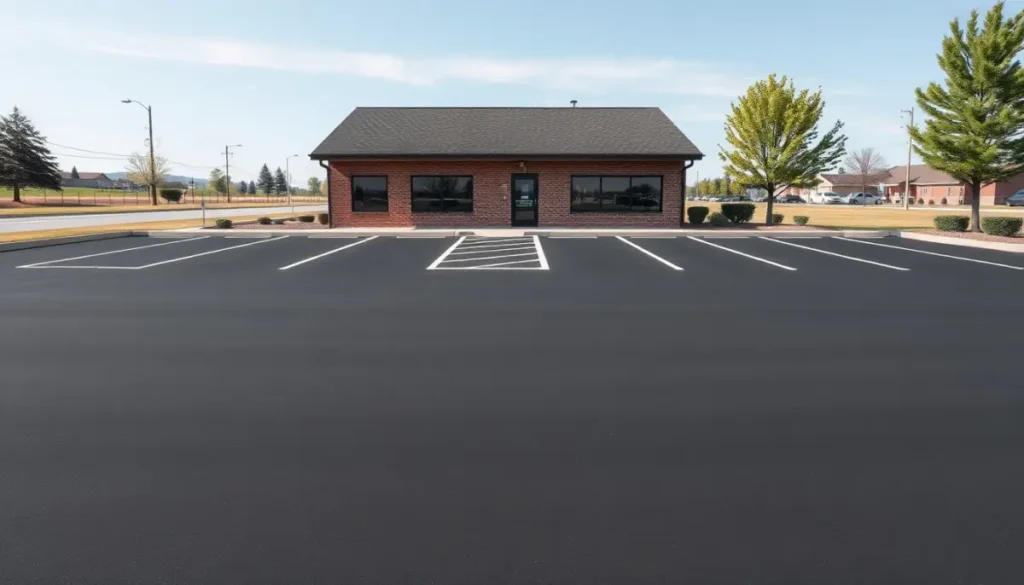
Sealcoat is a thin protective layer over asphalt. It slows the damage from sun, water, and oil. It also gives the lot a clean, dark look and makes fresh striping stand out.
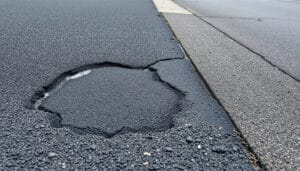
It is not a repair. Cracks and potholes need to be fixed first. See our overview of commercial parking lot sealing for the basics.
How Does an HOA Plan Sealcoating?
HOAs often need a board vote and a clear notice to residents. Plan for a longer lead time than a business would.
- Get the work scoped and a written bid before the vote.
- Send notice to residents well before the work starts.
- Split the lot into sections so people can still park.
- Tell residents about the dry time and where to park.
- Pick a weekday if most residents leave for work.
Our HOA asphalt paving guide covers budgets and approvals in more detail. Apartment communities face similar questions. See apartment complex paving for property managers.
How Does a Church Plan Around Services?
A church lot is busy on a few days and quiet on the rest. That is a plan you can work with.
- Pick a weekday with no services, funerals, or events.
- Tell the congregation the date and the parking plan.
- Keep an accessible route open to the door.
- Let the lot cure fully before the next Sunday.
If the lot needs more than a coat, read our church parking lot paving guide.
How Does a School Plan Around the Calendar?
Schools have a clear calendar. Summer break is often the easiest window because buses and staff are gone.
- Schedule the work when the lot is empty.
- Plan for a rain date within the break.
- Allow time to restripe before students return.
- Share the plan with the facilities team and bus drivers.
Good timing keeps the work off the first week of school, when traffic is at its heaviest.
How Does an Office Park Plan the Work?
Offices need staff and visitors to get in and out. The key is splitting the lot so one part stays open.
- Do the work in sections over two or more days.
- Ask tenants which days are the busiest.
- Tell visitors where to park with signs at the entrance.
- Plan weekend work if tenants agree.
Retail lots have the same challenge. See retail parking lot resurfacing for ideas that carry over.
What Prep Comes Before the Coat?
No matter the property, the order is the same:
- Clean the surface of dirt, debris, and oil.
- Fill cracks and patch potholes.
- Treat oil spots so the coat can bond.
- Apply the coat in even layers.
- Restripe after it cures.
Our guide on how to seal a parking lot walks through each step.
What Should the Bid Include?
A clear bid makes it easy to compare and to explain to a board or owner. Look for:
- The size of the area and a map of the sections.
- The prep work, including crack filling and oil spot treatment.
- The number of coats.
- The schedule and how the lot stays open.
- Striping, if it is part of the job.
- Cure time before cars can return.
For what drives pricing, read what is the cost of commercial sealcoating.
How Do You Tell People About the Work?
Clear notice prevents most complaints. Try this:
- Send a note early, then a reminder a few days before.
- Post signs at every entrance.
- Mark closed sections with cones or tape.
- Share a name and a number for questions.
- Send a quick update if the date moves.
When Is Sealcoating Not Enough?
If the lot has wide cracks, sunken areas, or many potholes, a coat will not solve it. The base may be failing.
In that case, resurfacing or patching may come first. We look at the whole lot before we suggest a plan.
What Mistakes Do Property Managers Make?
A few come up again and again:
- Picking a date with no backup. Rain moves the job, and you need a second day.
- Skipping crack repair. The coat will not bridge a crack.
- Forgetting accessible spaces. Keep a path open for everyone.
- Late notice. People get upset when they find out the day before.
- Walking on a soft coat. Keep everyone off until it cures.
How Does Central PA Weather Affect the Plan?
Sealcoat needs warm, dry weather. It needs at least 55 degrees and rising, and no frost for about two days after.
Late spring through early fall is the safest window. Pick a primary date and a backup, and tell people about both.
How Do You Keep Walkers and Drivers Safe?
A lot under work has fresh coat, cones, and equipment. People need clear signs and a plain path.
- Mark a walking route to each entrance.
- Keep accessible spaces and ramps open until the last section.
- Block off wet areas with cones or tape.
- Ask staff or volunteers to watch the entrance on busy days.
A few signs and a little help at the door prevent most problems.
Frequently Asked Questions
How long is the lot closed?
It depends on the size and the weather. Your crew will give you a time for each section.
Can the lot stay partly open?
Often, yes. Splitting the lot into sections lets people keep parking in the open part.
Do you handle striping too?
Yes. We handle parking lot striping after the coat cures.
More Paving Guides
Get a Free Estimate
Nathan’s Paving & Seal Coating has worked in Central PA for over 20 years. We handle asphalt seal coating in Harrisburg, PA and across the region for HOAs, churches, schools, and businesses.
Estimates are free. Call (717) 648-5030 or email nathanpaving@gmail.com. We will walk your lot and help you build a plan that fits your schedule.