Macadam and asphalt are not the same, despite being used interchangeably in casual conversation. Macadam is a traditional road construction method using layers of crushed stone and a tar binder, while asphalt is a modern hot-mix material combining aggregates with asphalt cement. Understanding these differences is essential when choosing the right pavement material for your driveway, parking lot, or road project in Central Pennsylvania.
Quick Comparison: Macadam vs Asphalt
| Feature | Macadam | Asphalt |
| Cost | Lower upfront cost, but higher maintenance expenses | Higher initial cost, but more economical long-term |
| Durability | 5-15 years; loses aggregate without regular sealing | 15-20+ years with proper maintenance and seal coating |
| Appearance | Loose, textured surface with visible aggregate stones | Smooth, uniform dark finish |
| Maintenance | Frequent resealing, stone replacement, high maintenance | Periodic seal coating and crack repairs, moderate maintenance |
| Best For | Light-traffic areas, rural roads, low-speed driveways | High-traffic areas, commercial lots, highways |
| Installation Time | Multiple layers applied over time, slower process | Single hot-mix application, faster installation |
What is Macadam?
Macadam, named after its inventor John Loudon McAdam in the early 19th century, is a traditional road construction technique. The method involves layering crushed stone or gravel on a compacted base and binding the layers together with a tar or bitumen binder. The surface remains somewhat loose and textured, exposing the individual aggregate stones.
Macadam roads were revolutionary for their time, transforming travel by providing a more stable surface than the ruts and mud of unpaved roads. However, the open structure that allows excellent water drainage also means that surface stones can become dislodged over time, requiring frequent maintenance and additional applications of stone and tar.
What is Asphalt?
Asphalt is a more modern material that gained popularity in the early 20th century. It consists of a mixture of aggregates (sand, gravel, and crushed stone) bound together with asphalt cement, a petroleum product. Unlike macadam, asphalt is heated to between 300-350 degrees Fahrenheit, mixed thoroughly, transported hot, and poured onto a prepared surface where it is compacted while still warm. This process creates a smooth, solid, continuous surface.
Asphalt is found on approximately 94 percent of paved roads in America and is the industry standard for both residential and commercial applications due to its proven longevity and cost-effectiveness over time.
Composition and Materials
The fundamental difference between macadam and asphalt lies in their composition and how they are constructed. Macadam uses multiple layers of carefully graded crushed stone, with larger stones at the base and progressively smaller stones toward the top, all bound with tar or bitumen. The stones remain somewhat individual and visible, creating a textured surface.
Asphalt, by contrast, thoroughly mixes all aggregates with asphalt cement before application. This creates a uniform, homogeneous material where the binder surrounds and encapsulates all particles equally. The result is a seamless, smooth surface that is more resistant to water infiltration, weather damage, and traffic stress. The modern formulation of asphalt allows for specialized mixtures tailored to specific climate conditions and traffic demands.
Durability and Longevity
Durability is where asphalt significantly outperforms macadam. Properly installed and maintained asphalt can last 15 to 20 years or more, with seal coating every 2-3 years to protect against UV rays and water damage. Macadam driveways and roads, on the other hand, typically last only 5 to 15 years before requiring major restoration or replacement.
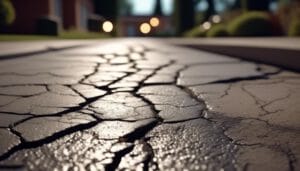
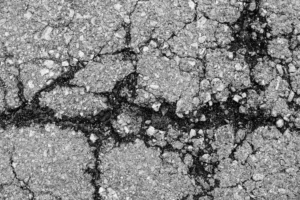
The loose structure of macadam means that traffic, weather, and freeze-thaw cycles gradually pull stones from the surface, creating potholes and ruts. Each winter in Central Pennsylvania poses particular challenges for macadam, as water that infiltrates the surface can freeze and expand, causing accelerated deterioration. Asphalt is more resilient.
Cost Considerations
While macadam typically has a lower upfront cost than asphalt, the total cost of ownership favors asphalt over the long term. Macadam requires frequent maintenance, including regular resealing, stone replacement, and pothole repairs. These ongoing costs accumulate quickly, especially in areas with heavy traffic or harsh climates like Central Pennsylvania winters.
Asphalt is the more economical choice for most applications over a 20-year period. When you factor in the cost of seal coating every few years versus the constant patching and stone replacement that macadam demands, asphalt emerges as superior.
Freeze-Thaw Cycles and Salt Damage: How Central PA Winters Test Your Driveway
You’re facing roughly 100–140 freeze–thaw cycles annually. Water expands when frozen, which can lead to surface stress and potholes.
Why Your Driveway Suffers:
- Porous structures can absorb meltwater, which may accelerate surface deterioration
- Heavy deicing salt usage can impact the longevity of the binder material
- Repeated freeze–thaw cycles contribute to aggregate loss and edge cracking
- Chemical deicers can weaken pavement bonds over time
- Choosing alternative deicers can help mitigate damage to the surface
Protect Your Investment Now:
Act decisively before winter hits. Crack seal as needed and apply regular sealcoating to asphalt surfaces. Install proper base drainage and remove snow promptly. These preventive moves help extend driveway lifespan and manage long-term costs. Nathan’s Paving & Seal Coating prioritizes customer satisfaction in every project and can help implement these measures.
Real-World Lifespan: What to Expect in Pennsylvania Conditions
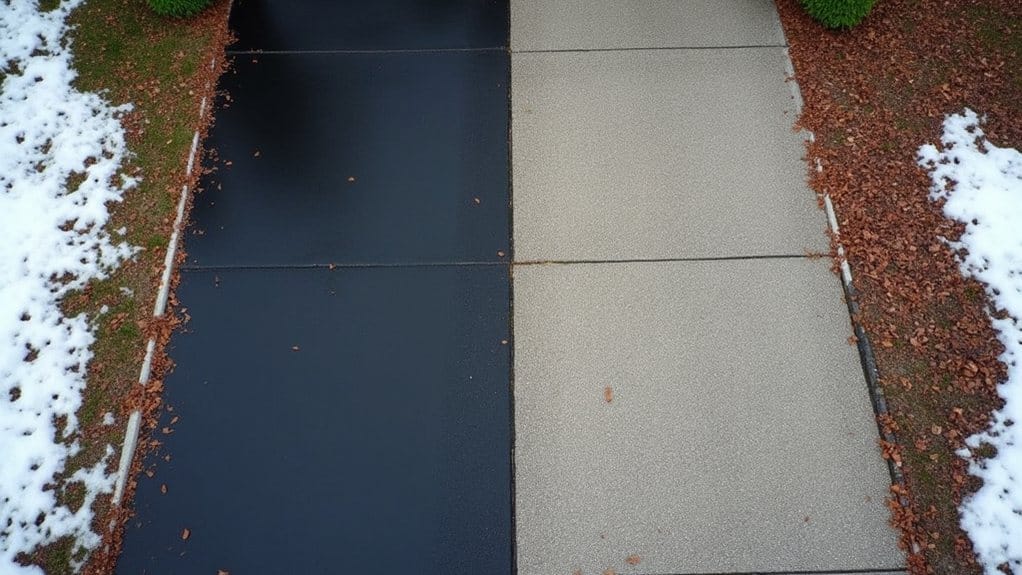
Because Central PA’s winters demand it, your driveway choice directly impacts your long-term maintenance plan.
Asphalt’s Strong Track Record
You’ll receive many years of service from properly installed asphalt. It is a highly reliable choice for the region.
Freeze–thaw cycles are a factor, but professional drainage prevents catastrophic failure.
Sealcoating every few years keeps the surface resilient.
Tar and Chip (Macadam) Expectation
Chip seal and tar and chip surfaces offer a rustic look but generally have a shorter maintenance cycle.
Freeze–thaw cycles and heavy equipment can accelerate surface wear.
The Real Cost Perspective
Tar and chip is more affordable upfront.
Asphalt demands a higher initial investment but provides longer service intervals between major repairs.
Your drainage strategy is a critical factor for both surfaces.
Poor grading can damage either surface faster than the weather alone.
Our team’s experience in Central PA means we’ve seen these outcomes firsthand, and we can recommend seal coating schedules and drainage fixes to extend pavement life.
Year-Round Upkeep: What Your Driveway Actually Needs
Driveway maintenance is an ongoing commitment that protects your property investment.
Your Central PA driveway faces yearly freeze–thaw cycles. Here’s how to manage it:
- Sealcoating asphalt periodically blocks water and UV damage
- Addressing cracks promptly prevents potholes from forming
- Tar and chip upkeep requires periodic surface replenishment
- Drainage maintenance means clearing debris and monitoring slopes year-round
- Seasonal care includes spring cleaning and using rubber-edged snow plows
Don’t ignore small cracks or standing water. Water infiltration can impact your subbase over time. Tar and chip surfaces benefit from periodic management of the aggregate.
Spring and fall are critical seasons. Clear drainage areas and maintain proper slopes. These simple actions help extend your driveway’s lifespan and manage repair costs. Nathan’s Paving & Seal Coating offers expert sealing services to protect your driveway with premium sealant.
Visual Differences: Color, Texture, and Neighborhood Fit
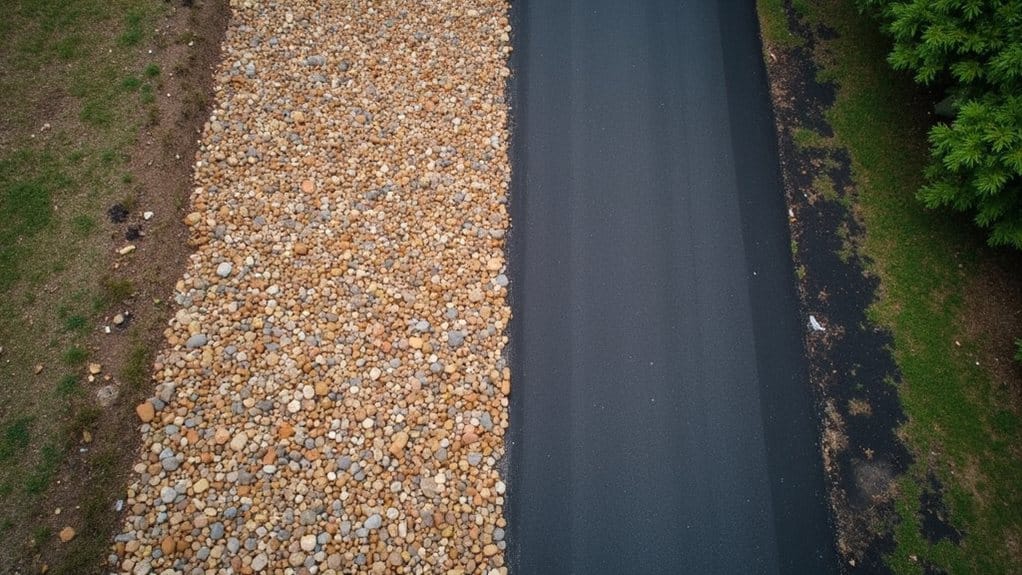
Tar and chip displays varied grays, browns, and tans from the exposed crushed stone.
Asphalt provides a uniformly dark charcoal appearance.
In Central PA’s sunshine, the lighter palette of tar and chip can absorb less heat than a dark asphalt surface.
Texture Matters
Tar and chip features a granular surface with a matte, rustic finish.
Asphalt is smooth and dense, offering a clean, modern look.
Neighborhood Fit
The rustic character of tar and chip suits country properties well.
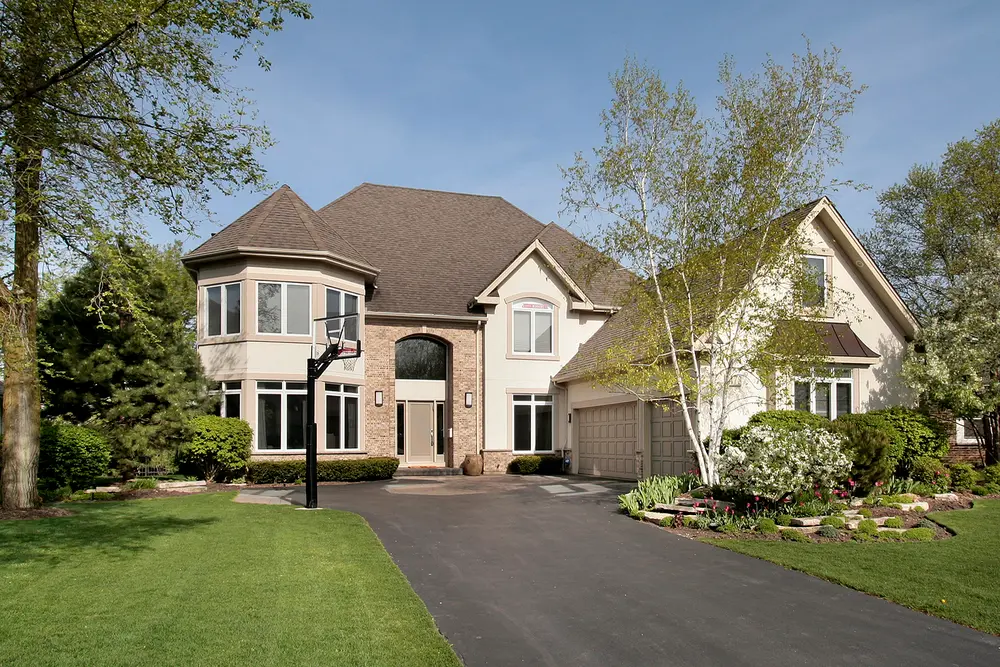
The sleek, consistent surface of asphalt is a popular choice for suburban neighborhoods.
Nathan’s Paving & Seal Coating brings over 20 years of experience to ensure proper ground preparation for lasting driveway performance.
Tar and Chip vs. Asphalt: Side-by-Side Comparison
Now that you’ve seen the visual differences, let’s compare them head-to-head.
The Key Differences
You’re choosing between two different approaches to durability. Tar and chip uses layered stone and binder, while asphalt offers a smooth, impermeable surface.
Here’s what matters most:
- Initial Investment: Tar and chip is generally more affordable upfront.
- Long-Term Maintenance: Tar and chip requires periodic resurfacing. Asphalt needs sealcoating every few years.
- Lifespan: Asphalt provides a long-term service life with proper care.
- Drainage: Tar and chip’s granular texture provides natural drainage. Asphalt requires professional grading.
- Traffic: Asphalt is designed for heavy-duty use. Tar and chip is ideal for lower-traffic residential use.
Nathan’s Paving & Seal Coating has extensive regional experience in driveway work, helping homeowners choose the right material for their needs with a free quote.
The Bottom Line
You’re balancing upfront savings with ongoing maintenance. Investing more now in asphalt provides cost-effective, long-term durability for many years.
Which Surface Works Best for Your Driveway Type?
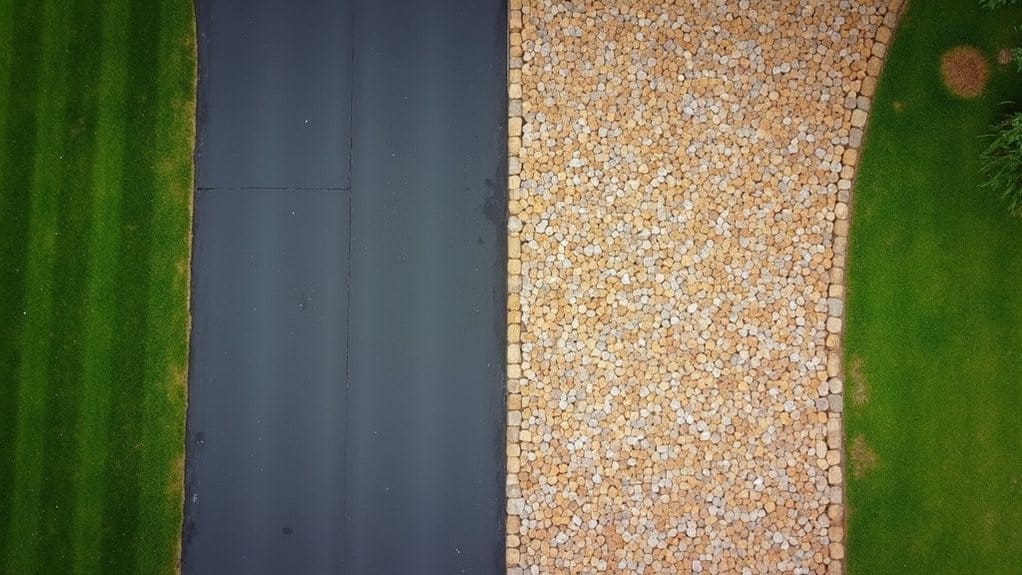
Low-Traffic Rural Properties
Tar and chip and gravel paving work well here. Many homeowners appreciate the rustic crushed stone texture.
Plan for periodic surface management.
Affordable upfront costs can provide immediate value.
Suburban & High-Use Driveways
Asphalt hot-mix is the standard for high-use areas.
Frequent vehicle use and plowing demand professional durability.
Asphalt offers many years of reliable performance.
Drainage Challenges?
The granular structure of tar and chip can assist on varied grades.
Asphalt requires proper professional base preparation and sub-drains for maximum stability.
The Real Talk
Choose tar and chip for rustic appeal and initial savings.
Pick asphalt for smooth, professional aesthetics and heavy-duty performance.
Our team brings over 20 years of experience to recommend the best option for your property, backed by top-grade materials.
Making the Right Choice for Your Central PA Home
Since Central Pennsylvania’s winters and freeze-thaw cycles impact your driveway, picking the right material is essential.
Your decision depends on traffic, budget, and maintenance:
- Light traffic + initial budget focus? Tar and chip offers lower upfront costs.
- Heavy vehicles + durability focus? Asphalt provides many years of service.
- Winter damage concerns? Asphalt is highly resistant to freeze-thaw cycles.
- Drainage focus? Tar and chip surfaces allow for natural water infiltration.
- Long-term value? Asphalt often requires fewer major repairs over time.
Tar and chip requires periodic surface replenishment to stay functional.
Asphalt demands periodic sealcoating, which is a standard maintenance practice.
Bottom line: Choose asphalt for maximum durability. Choose tar and chip for rustic appeal and immediate savings.
Nathan’s Paving & Seal Coating provides reliable results you can depend on throughout Central Pennsylvania.
Frequently Asked Questions
Is macadam the same as asphalt?
No, macadam and asphalt are not the same. While the terms are sometimes used interchangeably, they refer to different paving methods and materials. Macadam uses layered crushed stone bound with tar, while asphalt is a hot-mix material combining aggregates with asphalt cement. The key difference is that asphalt is a fully integrated mixture, while macadam maintains a more textured, loosely-bound surface. Both have their place, but asphalt is far more common in modern construction.
Which is cheaper, macadam or asphalt?
Macadam has a lower upfront cost, but asphalt is typically cheaper over the long term. While you might pay less initially to install macadam, the frequent maintenance, regular resealing, stone replacement, and pothole repairs add up quickly. Asphalt costs more to install but requires less maintenance and lasts significantly longer. Over a 20-year period, asphalt usually proves to be the more economical choice.
How long does macadam last?
Macadam typically lasts 5 to 15 years before requiring major restoration or replacement. The lifespan depends heavily on climate, traffic volume, and maintenance. In Central Pennsylvania harsh winters, freeze-thaw cycles accelerate deterioration. With diligent maintenance, some macadam surfaces can reach 15 years, but asphalt is the more durable and reliable option for most situations.
Conclusion
While macadam and asphalt are both legitimate paving materials, they serve different purposes and perform differently. Macadam, a traditional method dating back to the 19th century, offers a lower upfront cost but demands intensive ongoing maintenance. Asphalt, the modern standard used on 94 percent of American paved roads, provides superior durability, better performance in harsh climates, and lower long-term costs.
For most Central Pennsylvania property owners and commercial operators, asphalt is the practical choice that delivers reliability, performance, and value. If you are considering a paving project or need to repair or replace an existing surface, consult with a professional paving contractor who can assess your specific needs and recommend the best material for your application.