A parking lot is often the first thing a customer sees. It is also the first thing to tell them a property is cared for, or not.
This guide is for business, church, and HOA owners in Carlisle. It shows how to choose between patching, a new layer, and full paving. It also covers timing, phasing, and painted lines.
How Do You Know When a Lot Needs Work?
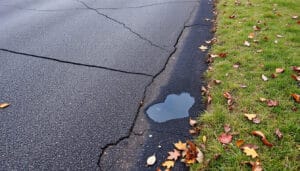
Most lots show signs long before they fail. Walk the lot and look for these:
- Cracks that are wide, long, or linked together.
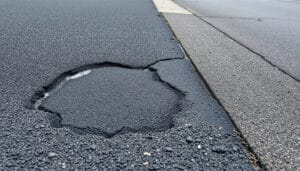
- Potholes and sunken spots.
- Standing water after rain.
- Crumbling edges along curbs.
- Faded lines and hard-to-read markings.
One or two small cracks are normal. A lot with many problems across a large area needs more than a quick fix. Our list of warning signs your parking lot needs maintenance goes through each one.
What Is the Difference Between Patch, Overlay, and New Paving?
These three choices cover most commercial lots.
- Patching. Bad spots are cut out or filled and made level. This fits a lot that is mostly sound.
- Overlay. A new layer of asphalt goes over the old surface. This fits a lot that is worn but still solid below.
- New paving. The old surface is removed and the lot is rebuilt. This fits a lot where the base has failed.
Each choice solves a different problem. A patch will not fix a failed base, and a new layer will not hold if the base moves. Read our guide on asphalt overlay vs full replacement to see how contractors decide.
How Can You Tell If the Base Is Still Good?
The base is the layer under the asphalt. If it is solid, you have more choices. If it has failed, the surface will not last.
Signs of a weak base include:
- Cracks that look like alligator skin.
- Soft spots that flex when a heavy vehicle drives over them.
- Potholes that keep coming back in the same place.
- Large areas that sink after rain.
A contractor can check the base on site. Ask them to show you what they see and why it points to one fix over another.
What Does a Carlisle Lot Go Through Each Year?
Central PA has hot summers and cold winters. Water gets into small cracks, freezes, and pushes the pavement apart. Salt and plows add more wear along drive lanes and entrances.
That is why small repairs matter. Filling a crack in fall costs far less effort than patching a pothole in spring. Our guide on how winter and thaw cycles affect asphalt explains how the damage builds.
How Do You Plan Around Events and Traffic?
Carlisle has busy weekends and events. A church has services. A shop has sales. An HOA has residents who need to park at night.
Make a short calendar before you pick a date:
- Mark holidays, services, sales, and community events.
- Note the quietest days of the week.
- Pick a main date and a backup date.
- Tell everyone who uses the lot.
Weekday work is often easier for a church. Weekend work may suit an office. Your contractor can plan around what works for you.
How Does Phasing Keep the Lot Open?
Phasing means working in sections. One part of the lot is closed while the rest stays open.
- Split the lot into two or three zones.
- Finish and cure one zone before moving to the next.
- Keep the main entrance and accessible spaces open as long as you can.
- Mark closed areas with cones, tape, and signs.
- Post a map at the entrance so visitors can find open spaces.
Phasing takes more planning, but it keeps people coming in. Many owners find it is worth the extra effort.
What About Striping and Accessible Spaces?
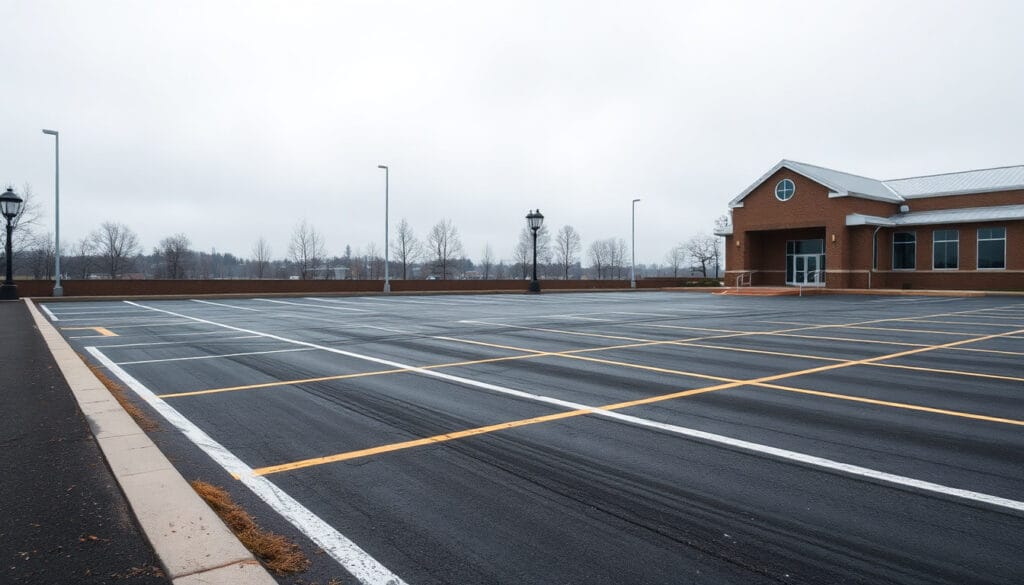
New pavement needs new lines. Plan the layout before the paving starts so the paint matches your needs.
Think about:
- How many spaces you need.
- Where accessible spaces go and how people reach the door.
- Loading zones, fire lanes, and no-parking areas.
- Arrows, stop bars, and crosswalks.
Rules for accessible spaces can be strict, and they can change. Ask your contractor to go over the layout with you. We offer parking lot striping in Carlisle once the surface is ready.
How Does Drainage Fit In?
Water that sits on a lot weakens the pavement. If you see puddles after rain, tell the contractor.
A good plan looks at the slope and the low spots. Sometimes a small change in grade fixes a big problem. Our post on driveway drainage solutions covers ideas that also apply to lots.
What Should a Bid Include?
A clear bid helps you compare. Look for these items:
- A description or map of each area.
- The prep work, such as cleaning, crack filling, and patching.
- The type of work for each area: patch, overlay, or new.
- The schedule and the phasing plan.
- Striping details.
- The time before cars can return.
If two bids look different, compare the work, not just the total. For more on this, see how to choose a paving contractor in Central PA.
When Should You Start?
Asphalt needs warm, dry weather. Plan your project well before the busy season. That gives you time to get estimates, talk with your board or owner, and pick a date.
If you are looking ahead to spring, now is a good time to start the conversation. You can walk the lot, get a plan, and set a budget while things are quiet.
What Does the Work Look Like Step by Step?
Knowing the steps helps you plan. A new layer or a repair usually follows this order:
- The crew walks the lot with you and marks the work areas.
- Dirt, weeds, and loose material are cleaned away.
- Bad spots are cut out and rebuilt.
- Cracks are filled.
- The new asphalt is laid and rolled smooth.
- The surface sets before cars return.
- Lines and symbols are painted last.
Each step needs the one before it. If a step is rushed, the problem shows up later. Ask your contractor to walk you through the order for your lot.
How Do You Keep Customers Informed?
People do not like surprises at the door. Tell them what is happening and for how long.
- Put a short notice on your website and your front door.
- Send a note to members, tenants, or residents.
- Post signs at the entrance with a simple map.
- Give front-desk staff a short script to answer questions.
A few clear messages keep the mood calm. They also protect your reputation while the work is going on.
When Should You Call for an Estimate?
Call when you first notice a pattern, not when the lot is falling apart. A free estimate costs nothing, and it gives you a plan to share with the board, the owner, or your team.
You can also ask for two options, such as a patch plan and an overlay plan. Seeing both side by side makes the choice clearer.
Frequently Asked Questions
How long will my lot be closed?
It depends on the size, the type of work, and the weather. With phasing, part of the lot can stay open.
Can you work around our events?
Yes. Tell us your calendar, and we will plan the schedule around it.
Do you paint the lines after paving?
Yes. We restripe once the new surface is ready.
More Paving Guides
Get a Free Estimate
Nathan’s Paving & Seal Coating has worked in Central PA for over 20 years. We handle commercial asphalt paving in Carlisle, PA for businesses, churches, and HOAs.
Estimates are free. Call (717) 648-5030 or email nathanpaving@gmail.com. We will walk your lot and help you build a plan.