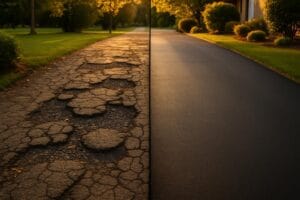
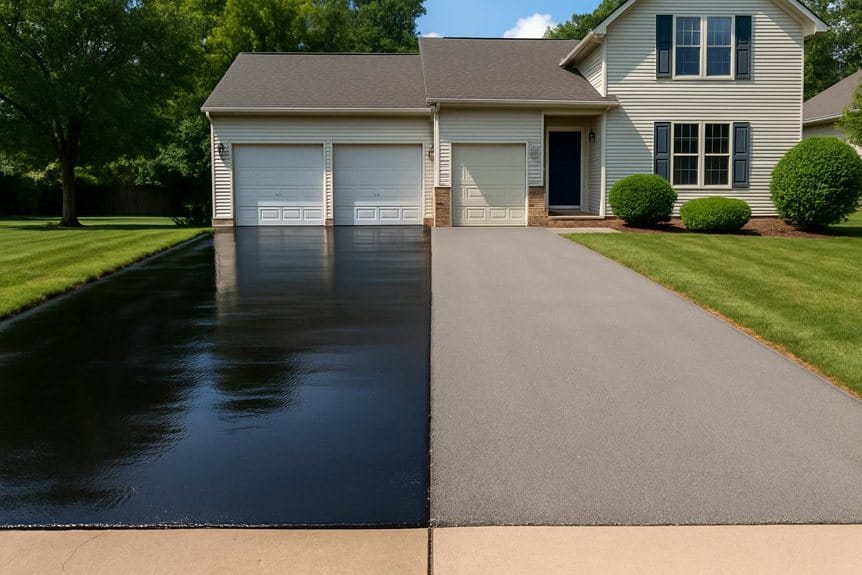
Seal coating protects a healthy driveway. Resurfacing rescues a damaged one. If your asphalt is under five years old with only hairline cracks, a seal coat ($0.15 to $0.35/sq ft) is your move. But if you’re seeing widespread cracking across 30% or more of the surface, you need a 1.5 to 2″ overlay ($1 to $3/sq ft). Pick the wrong treatment and you’ll pay for both. Keep going to find out exactly which one your driveway needs right now.
Key Takeaways
- Seal coating is a preventive treatment that blocks UV damage and repels fluids, while resurfacing adds a corrective 1.5 to 2″ asphalt overlay.
- If damage covers less than 25 to 30% of your surface, sealcoating suffices; beyond that threshold, resurfacing is often the smarter choice.
- Hairline cracks suit sealcoating, but alligator cracking, potholes, or standing water signal structural failure requiring resurfacing or reconstruction.
- Sealcoating costs $0.15 to $0.35 per sq ft, while resurfacing runs $1 to $3 per sq ft and can help extend pavement life.
- Always repair existing damage before sealing or resurfacing; skipping this step can cause treatments to fail prematurely, costing significantly more overall.
Seal Coating vs. Resurfacing: What’s Actually Different
When your pavement starts looking rough, you’ve got two main tools: seal coating and resurfacing.
Here’s the difference:
Seal coating applies a thin protective layer over your asphalt surface. It’s purely a preventive measure, stopping UV rays, water, and oil from eating your pavement alive.
Asphalt resurfacing goes deeper. It lays a fresh new layer of asphalt, typically 1.5 to 2 inches, directly over your existing surface.
Critical warning:
Neither solution fixes structural issues like alligator cracking or sinking. Those problems mean your base is failing. You’ll need full reconstruction instead.
Bottom line:
- Sealcoating = protection for healthy pavement
- Asphalt resurfacing = correction for worn-out surfaces
Know the difference. It can save you a lot of money.
Nathan’s Paving & Seal Coating recommends starting with a free quote to determine the best option for your driveway and ensure work is done with quality materials.
What Seal Coating Does: and What It Can’t Fix
UV rays, the silent pavement killer, destroy your asphalt fast.
Sealcoating fights back. It’s a thin protective layer that:
- Blocks UV damage and oxidation
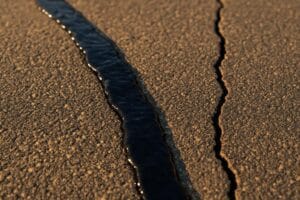
- Fills hairline cracks before they spread
- Restores that rich black finish
- Repels fluids that weaken your base
Sealcoating is preventive maintenance, not a repair solution.
Reapply every 1.5 to 3 years and you can help extend pavement life.
But Here’s What It Cannot Do
- Cannot fix potholes or crumbling edges
- Won’t touch cracks wider than a quarter inch
- Skips over structural failures entirely
Sealcoating only works on structurally sound pavement.
Got alligator cracking or sinking spots? That’s a resurfacing vs. sealcoating decision, and resurfacing wins.
Sealcoating is often the more cost-effective option for routine upkeep, especially for properties managed by companies handling commercial asphalt maintenance.
When Resurfacing Makes More Sense Than Sealing
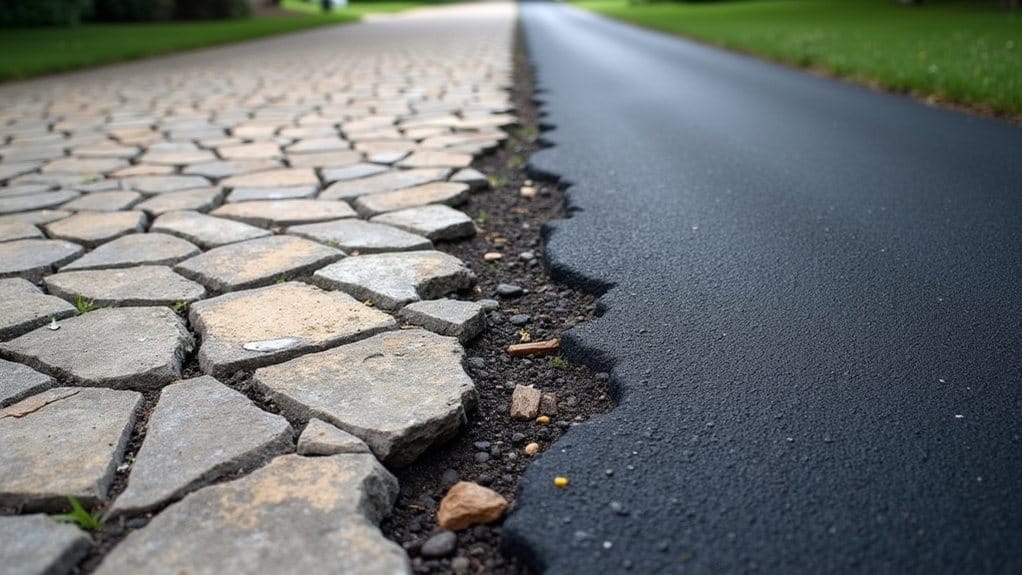
Sealcoating has its limits, and that’s exactly where resurfacing steps in.
Spot these warning signs?
- Spreading cracks covering 30% of your driveway
- Small potholes multiplying fast
- Standing water pooling after every rain
That’s your driveway screaming for an asphalt overlay, not asphalt sealcoating.
Resurfacing lays a fresh 1.5 to 2 inch asphalt layer over your existing surface. It can address drainage issues, smooth out valleys, and help extend the life of your pavement when conditions are right.
Here’s the bottom line:
If your driveway’s foundation is still solid, resurfacing is often a better option than full replacement. You’ll typically pay $1 to $3 per square foot and projects often wrap up in 1 to 2 days.
Don’t seal over a problem. Fix it.
We also completed a nearby commercial project with refreshed pavement and repainted stripes that enhanced curb appeal, showcasing durability and clarity.
Crack Patterns, Potholes, and Drainage: What Your Driveway Is Telling You
Your driveway’s trying to tell you something. You just need to know the language.
Small hairline cracks? That’s surface wear. Sealcoating handles this well.
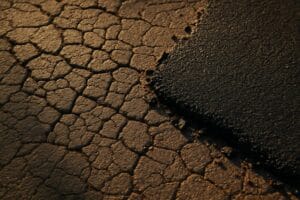
But alligator cracking, that spiderweb pattern spreading everywhere, signals base failure. Sealcoating won’t save it. You need resurfacing or an overlay.
Potholes often mean structural integrity is already gone. Patch first. Then resurface.
Here’s the key number: 25 to 30% damage threshold.
- Under that? Sealcoating buys you time.
- Over that? Resurfacing usually saves you money long term.
Standing water is a red flag for drainage failure. Poor drainage weakens subbase strength fast.
Watch for cracks or potholes returning quickly after repairs. Your driveway may be signaling that it needs resurfacing, not another sealcoating bandage.
Professional driveway drain solutions like catch basin drains can help prevent standing water and protect your driveway.
How Driveway Age Changes Which Treatment You Need
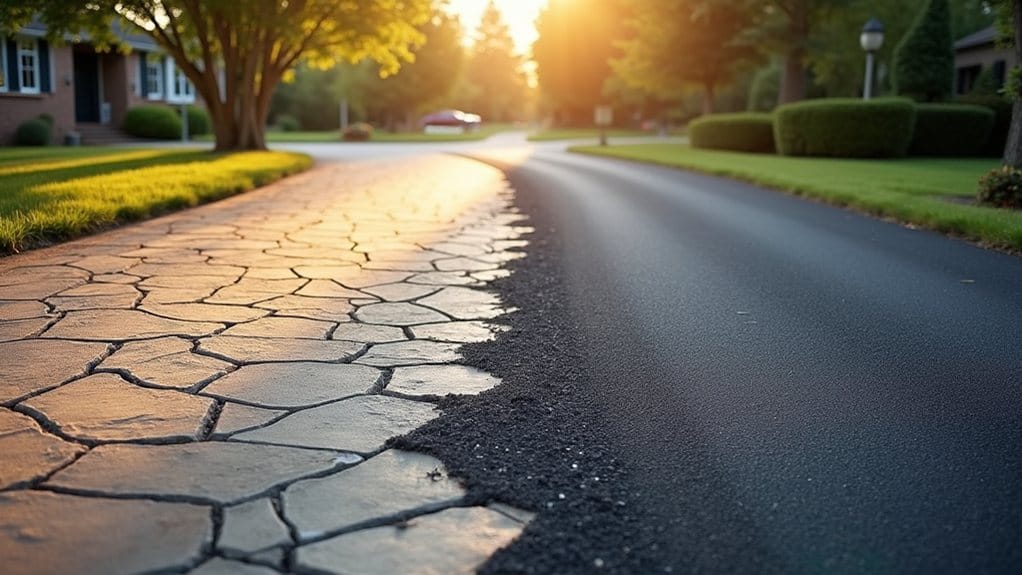
As your driveway ages, the right treatment shifts, and picking the wrong one wastes money.
Think of it in three life stages:
- Under 5 years: Your new asphalt typically just needs sealcoating. Preserve it early. First coat is often within 6 to 12 months.
- 5 to 15 years: Surface cracks and wear appear. A 1.5 to 2″ overlay through resurfacing can extend your pavement’s useful life.
- 15 to 20+ years: Widespread damage often means repaving is the best option.
The general rule:
Early life means prevent.
Mid life means correct.
Late life means replace.
Don’t sealcoat a driveway that needs resurfacing. Don’t resurface one that needs full replacement. Match the treatment to the age every time.
Nathan’s Paving & Seal Coating has over 20 years of experience serving Central Pennsylvania and can provide a free consultation to determine the right treatment for your driveway, with a track record of satisfied clients across residential and commercial projects.
Seal Coating vs. Resurfacing: Cost Breakdown
Most homeowners are surprised by the difference.
Sealcoating cost per square foot: $0.15 to $0.35
Resurfacing cost per square foot: $1.00 to $3.00
That’s a big gap.
Real example, 400 sq ft asphalt driveway:
- Sealcoating: $60 to $140
- Resurface with overlay: $400 to $1,200
Here’s what you’re paying for:
Sealcoating is smart preventive maintenance. It restores your finish and can add a couple of extra years of protection.
Resurfacing is corrective asphalt repair. The overlay process requires milling, patching, and hot-mix compaction, and can help extend the life of your pavement.
The bottom line?
When sealcoating vs resurfacing costs start converging, because you’re repeatedly patching, resurfacing often becomes the smarter financial move.
Don’t keep throwing money at a losing battle.
Nathan’s Paving & Seal Coating often recommends preventive maintenance to help maximize pavement lifespan and avoid premature resurfacing.
Seal Coat or Resurface? A Quick Decision Checklist
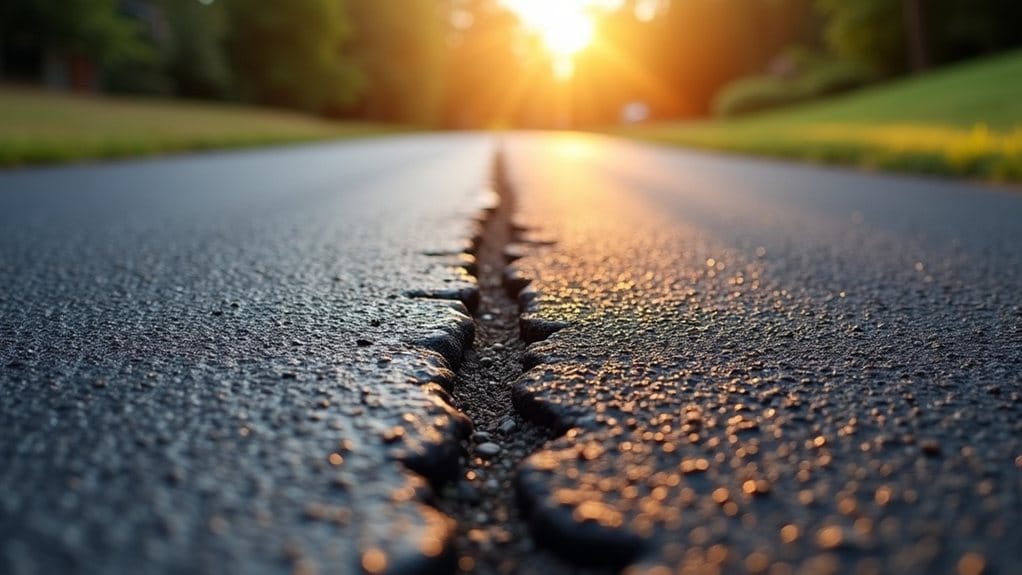
Now that you know the numbers, let’s put them to work.
Ask yourself these fast questions:
Is damage under 25 to 30% of the surface?
Sealcoating protects. Go that route.
See alligator cracking or sinking spots?
Resurfacing (overlay) is your answer.
Is 70 to 75% of your base still solid?
You may be a good overlay candidate at $1 to $3 per sq ft.
Got potholes or wide cracks first?
Patching comes before everything.
Working with new asphalt?
Wait 6 to 12 months. Then seal coat or resurface accordingly.
Bottom line: Preventative maintenance can save money over time. Don’t guess. Inspect, decide, and act.
Professional contractors often recommend routine sealcoating and repairs to help extend driveway life and avoid costlier replacements.
The Cost of Getting It Wrong: Sealing Over Damage That Needs Resurfacing
Sealcoating over serious damage doesn’t fix anything. It just buries the problem.
Here’s what that mistake can cost you:
- Alligator (crocodile) cracking? Sealcoating issues often return within months.
- Cracks wider than a quarter inch or potholes? Water keeps damaging your subbase.
- Poor drainage areas? Depressions can reappear within a year.
The cost consequences add up quickly.
| Option | Cost Per Sq Ft |
|---|---|
| Sealcoating | $0.15 to $0.35 |
| Resurfacing | $1 to $3 |
| Repaving | $5 to $10+ |
Seal now incorrectly and you may end up paying for all three.
The smart move? Fix damage first. Resurfacing can help extend the life of your pavement. That’s how you truly protect your investment, rather than relying on a cosmetic cover-up.
Professional sealing services and proper groundwork are key to helping the repair last.
Choose sealcoating or resurfacing wisely. Your wallet depends on it.
Frequently Asked Questions
Should I Resurface or Seal My Driveway?
- Hairline cracks? Seal it. Apply sealant every 1 to 3 years.
- 25%+ surface damage? Consider resurfacing.
Your crack repair and surface preparation determine a lot. Consider traffic load and weather effects too.
Maintenance budget matters:
- Seal = $0.15 to $0.35/ft2
- Resurface = $1 to $3/ft2
Protect your driveway and edge protection now.
How Much Does It Cost to Seal a 2000 Square Foot Driveway?
That’s roughly $0.15 to $0.35 per sq ft.
Here’s a cost breakdown:
- Base rate: around $0.20/sq ft = $400
- Prep steps (crack repair, cleaning): +$50 to $300
- Coverage rate affects material compatibility and sealant types
Tips:
- Application timing and climate effects impact drying time
- Repeat every 1.5 to 3 years
- Follow maintenance tips to protect your investment
What Are the Negatives About Sealing a Driveway?
- Peeling risks happen with poor application timing
- Chemical odors can cause respiratory irritation, ventilate well
- Slippery surface when wet can be a safety hazard
- Sealcoating wears over time and requires recurring maintenance
- Coverage variability can leave uneven protection
- Environmental considerations exist with runoff chemicals
Sealing can mask problems, it doesn’t fix them.
What Is the Average Cost to Resurface a Driveway?
For a 400 sq ft driveway, you’re typically looking at $400 to $1,200.
Here’s a cost breakdown:
- Surface preparation adds labor
- Concrete overlays often cost more than asphalt options
- Material comparison matters, choose carefully
Get multiple local quotes and always ask about warranty options before signing anything.
Conclusion
Small cracks? Seal it. Deep damage? Resurface it. Ignore the signs and you may end up paying more later.
Don’t throw money at the wrong solution. Diagnose first, then act.
The bottom line: Seal coating protects. Resurfacing rebuilds. Know the difference and you can save a lot over the long run.
For a free consultation in Central Pennsylvania, call Nathan’s Paving & Seal Coating at (717) 648-5030 or email nathanpaving@gmail.com.
If the damage has already moved past what a seal coat can fix, Nathan’s Paving handles asphalt resurfacing in Harrisburg and throughout the Central PA area.
Want the whole picture in one place? Read our complete guide to driveway sealcoating in Central PA.