Chip seal and tar and chip are two names for the same driveway. It costs less than asphalt, it looks different, and it works differently. This guide covers what it is, what it costs, how it holds up, and how to tell if it is the right call for your property.
We have paved and sealed driveways in Central PA for over 20 years. What follows is what we tell people who call and ask.
What Is a Chip Seal (Tar and Chip) Driveway?
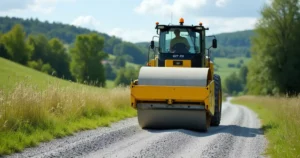
A chip seal driveway is built by spraying a layer of hot liquid asphalt binder onto a prepared base, then pressing small stone chips into it while it is still hot. A roller compacts the stone into the binder so it locks in place.
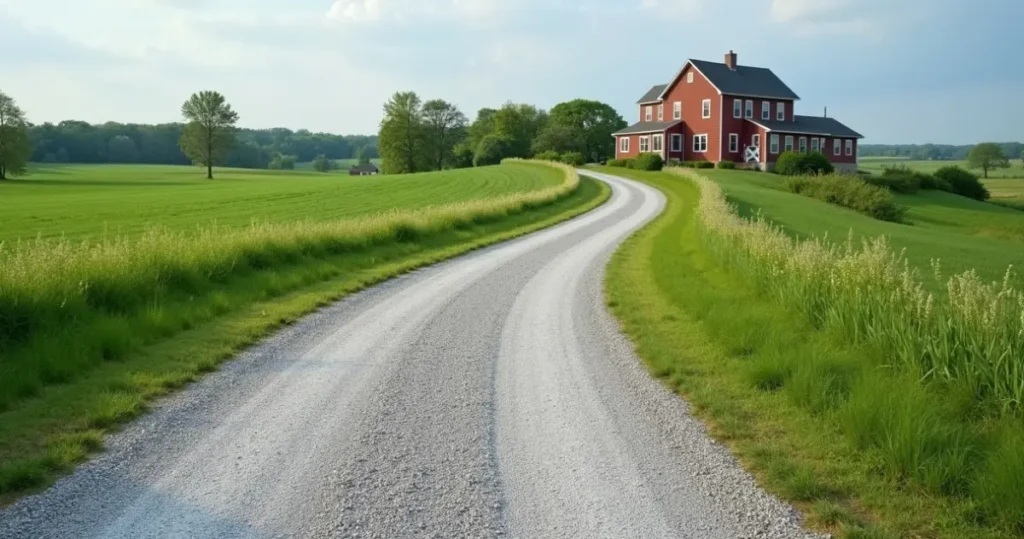
The result looks and feels different from a paved asphalt driveway. It has visible texture, a lighter, more natural color, and a bit more give underfoot. Some people prefer that look. Others prefer the smooth, uniform surface of asphalt.
It goes by a few names depending on who you ask: chip seal, tar and chip, or seal and chip. All the same driveway.
For the full breakdown of what it is and why homeowners pick it, see tar and chip driveways.
Chip Seal vs Asphalt: The Short Version
The two biggest differences are cost and look.
Chip seal runs $1.50 to $3.50 per square foot. Asphalt runs $3.00 to $7.00 per square foot. On a typical driveway, that is a real difference, not a small one.
The tradeoff is surface. Asphalt gives you a smooth, dark, uniform driveway. Chip seal gives you a textured, stone-finished surface with more upkeep along the way, since loose stone can migrate in the first season and edges need occasional attention.
Neither is the wrong answer. It depends on your budget, your look, and how much upkeep you want to do. Full comparison, including how the two hold up over time: chip seal vs asphalt driveways.
There is also macadam, an older asphalt-family method some Central PA homeowners ask about. It is not the same as chip seal. See macadam vs asphalt if that is the comparison you are trying to make.
What Drives the Cost
Price depends on square footage, base condition, how much excavation the site needs, and the stone you choose. A driveway on a solid existing base costs less than one that needs the ground rebuilt from scratch.
Use our chip seal cost calculator to get a planning number for your driveway’s size. It is a starting point, not a quote. Real numbers come from seeing the site.
If you are weighing chip seal against asphalt or concrete for your budget, see tar and chip vs asphalt driveway cost.
How Installation Works
Prep. The base gets graded and compacted. A bad base ruins any driveway material, chip seal included.
Binder. Hot liquid asphalt binder is sprayed evenly across the prepared base.
Stone. Chips are spread over the binder while it is still hot, then rolled in to lock them into place.
Cure. The surface needs time to set before regular traffic. Loose stone in the first few days is normal. It settles and locks in as the driveway cures and gets driven on.
Weather matters here the same way it matters for paving. Central PA’s paving season runs roughly from when the ground is consistently above 50°F through early November, and chip seal follows the same window.
Does a Chip Seal Driveway Need to Be Sealed?
This trips people up because “seal” is already in the name.
The tar and chip process itself is a sealing process. The stone is set into a binder that protects the base underneath from day one. That is different from asphalt, which is sealed later with a separate seal coat product.
Some chip seal driveways get a fog seal or re-chip treatment down the road to settle loose stone and refresh the surface. That is a different service from the seal coating we do on asphalt driveways. If you have an asphalt driveway and are wondering about that separate service, see sealing an asphalt driveway and our full sealcoating guide for asphalt-specific maintenance, or residential seal coating if you want that service quoted.
How Long Does It Last?
How long a chip seal driveway holds up depends on the base underneath, how much traffic it takes, drainage, and how it is maintained. A driveway on a solid, well-drained base and normal residential traffic outlasts one on a soft base with standing water.
We will not give you a single number over the phone because we have not seen your driveway. What we can tell you is what shortens the life of any chip seal driveway: a weak base, poor drainage, and skipping early upkeep like resetting loose stone. Full detail: how long does a tar and chip driveway last.
Best Time of Year to Install
Like paving, chip seal needs warm ground and dry weather to go down right. Central PA’s window runs through the warmer months and starts to close as temperatures drop in the fall.
Booking early matters more than people expect, especially once the fall rush starts. See the best time to install a chip seal driveway for the season-by-season breakdown.
Chip Seal, Asphalt, Concrete, or Gravel
Quick reference for how the four common driveway materials compare on cost per square foot:
| Material | Cost per sq ft |
|---|---|
| Gravel | $0.50 – $2.00 |
| Chip Seal | $1.50 – $3.50 |
| Asphalt | $3.00 – $7.00 |
| Concrete | $4.00 – $8.00 |
Gravel is cheapest but needs the most upkeep and does not hold an edge well. Chip seal sits between gravel and asphalt on both cost and finish. Asphalt gives you the smoothest, most uniform surface. Concrete costs the most and lasts the longest with the least upkeep, but cracks differently than asphalt and is harder to patch invisibly.
Is a Chip Seal Driveway Right for You?
Chip seal tends to be the right call when:
- You want a lower cost than asphalt without going all the way to gravel
- You like a natural, textured look over a smooth black surface
- You are on a long or rural driveway where asphalt’s cost adds up fast
- You are okay with occasional upkeep like resetting loose stone
Asphalt tends to be the better call when you want a smooth, uniform surface, plan to shovel snow regularly, or want the lowest-maintenance option in that price range.
We will tell you honestly which one fits your property and your budget when we come look. We are not going to sell you asphalt if chip seal is the better fit for what you are trying to do, or the other way around.
Chip Seal Driveways in Harrisburg and Central PA
We install and maintain chip seal and tar and chip driveways across Central PA, including Harrisburg and the surrounding Dauphin and Cumberland County area.
Frequently Asked Questions
Is chip seal the same as tar and chip? Yes. Different names for the same driveway. Chip seal, tar and chip, and seal and chip all describe stone chips set into a hot asphalt binder.
Is chip seal cheaper than asphalt? Yes, generally. Chip seal runs $1.50 to $3.50 per square foot compared to $3.00 to $7.00 for asphalt, though your exact number depends on the site.
Does chip seal need to be sealed later like asphalt? No, not in the same way. The tar and chip process itself seals the base. Some driveways get a fog seal or re-chip down the road to refresh the surface, which is a different service than asphalt seal coating.
Will the stone come loose? Some loose stone in the first days and weeks is normal while the surface finishes curing. It settles in with normal traffic. A well-installed driveway on a good base sheds far less loose stone over time than one installed on a weak base.
Can I get a chip seal driveway repaired instead of replaced? Depends on what is wrong. Surface issues like worn spots or loose stone are usually workable. Base failure, the same as with any driveway material, usually means a bigger fix. We will tell you honestly which one you are looking at.
Get a Free Look at Your Driveway
Nathan’s Paving & Seal Coating has worked in Central PA for over 20 years. We handle tar and chip driveways, asphalt paving, seal coating, and commercial lots.
We hold 4.8 stars across 55 Google reviews. Estimates are free, and we offer a discount for senior citizens.
Call (717) 648-5030 or email nathanpaving@gmail.com. We will look at your driveway, tell you honestly whether chip seal or asphalt is the better fit, and give you a real number before any work starts.