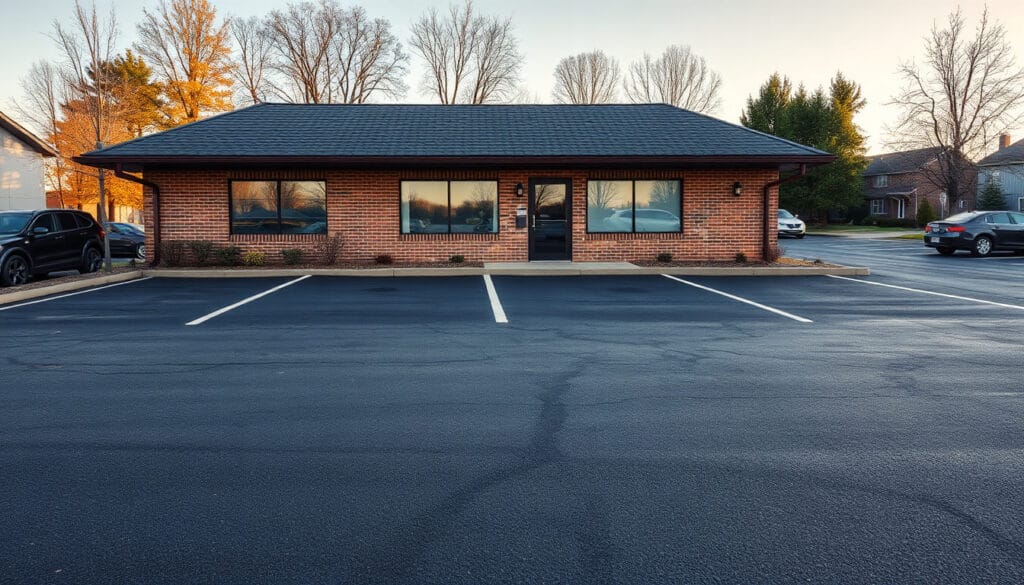
A parking lot is not a one-time project. It is something you take care of over the years. A simple plan keeps small problems small and keeps work from piling up.
This guide is for people who manage lots in Harrisburg. That includes banks, offices, churches, houses of worship, and HOAs. It shows the order of the work, and how to phase it so people can still park.
Why Does a Maintenance Plan Help?
Asphalt wears down from sun, water, ice, and traffic. Water is the biggest trouble. It gets into small cracks, freezes, and pushes the pavement apart.
A plan helps you act before that happens. You fix small things now. You avoid a bigger job later. You also know what to expect each year, which makes it easier to explain to a board or an owner.
What Are the Steps in the Plan?
Most plans follow the same order. Each step sets up the next one.
- Inspect. Walk the lot and note what you see.
- Repair. Fill cracks and patch holes.
- Seal. Add a protective coat once repairs are done.
- Stripe. Repaint lines so the lot is clear and safe.
Doing these out of order wastes work. For example, sealcoat over open cracks will not hold. Repairs come first.
How Do You Inspect the Lot?
Start with a walk, ideally in daylight and after rain. Water shows low spots fast.
Look for:
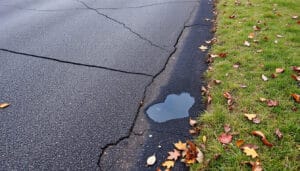
- Cracks, and how wide they are.
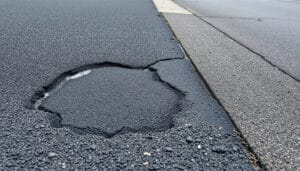
- Potholes and broken edges.
- Sunken areas or standing water.
- Faded or worn lines.
- Oil spots in parking stalls.
- Drains that look blocked or damaged.
Take photos and mark the spots on a simple map of the lot. Our list of warning signs your parking lot needs maintenance can help you know what to look for.
Do the walk at the same time each year. That makes it easy to see change from one year to the next.
What Gets Repaired First?
Safety and water come first. Anything that can hurt a person or let water in goes to the top of the list.
- Potholes that could trip someone or damage a car.
- Cracks that let water reach the base.
- Broken edges near walkways.
- Low spots that hold water or ice.
Small cracks can often be filled. Bigger broken areas may need patching. If a section is badly worn, it may need more than patching. The Harrisburg asphalt repair page explains the options.
Ask the crew which fix suits each crack. Narrow cracks and wide cracks often need different care.
When Does Sealcoating Fit In?
Sealcoat is a thin layer that slows damage from sun, water, and oil. It also gives the lot a fresh, dark look.
It works well on pavement that is in fair shape. It is not a repair. It does not fix holes or deep cracks. That is why repairs come first.
Sealcoating needs warm, dry weather. In Central PA that usually means late spring through early fall. Plan a main date and a backup date. See our guide to commercial sealcoating in Harrisburg for more.
When Do You Stripe?
Striping comes after sealcoat has cured. Fresh lines on a fresh coat look sharp and are easy to read.
Clear lines matter for more than looks. They guide drivers, mark accessible spaces, and keep traffic moving. If your lot has accessible spaces, check that the markings are clear and in good shape.
Ask the crew to mark accessible spaces and walk paths clearly.
What Does a Multi-Year Plan Look Like?
Every lot is different, so use this as a general guide, not a fixed schedule. A crew should look at your lot before you set dates.
- Every year: Inspect the lot. Fill new cracks. Patch small holes.
- When the surface looks faded and dry: Plan a seal coat after repairs.
- After sealing: Restripe the lines.
- When wear spreads across large areas: Talk about resurfacing.
- When the base is failing: Talk about repaving sections or the whole lot.
The key idea is simple. Small yearly care stretches the time between big projects.
How Does the Plan Differ by Property Type?
Each kind of property has its own pattern of use.
Banks and offices. Traffic is steady on weekdays. Phase the work in sections, and keep the front entrance open. Weekend work may suit some tenants.
Churches and houses of worship. Use is heavy on certain days. Pick a day with no services or events. Make sure the lot is fully cured before the next gathering. Plan extra time for the coat to cure.
HOAs and apartment communities. Residents need to park near home. Give clear notice and split the lot into parts. Our HOA paving guide covers approvals and notice.
How Do You Phase the Work and Keep the Lot Open?
Most lots do not need to close all at once. Splitting the lot into sections keeps part of it open.
- Divide the lot into zones on a map.
- Work on one zone at a time.
- Tell people where to park during each phase.
- Mark closed areas with cones or tape.
- Keep a clear path to the entrance.
- Send a reminder a few days before each phase.
Allow for rain dates. A backup day prevents stress when weather shifts.
What Should You Keep in Your Records?
A short file makes each year easier. Keep these items:
- Photos from each yearly walk.
- A map showing repairs, with dates.
- Notes on what was sealed and when.
- Contact details for the crew you worked with.
- Any notices you sent to tenants or members.
When a board asks what was done and why, you will have the answer ready.
How Do You Plan the Year Around the Weather?
Timing matters as much as the work. Each step has its own weather needs.
- Inspect in spring, after the freeze and thaw cycles are over. This is when new cracks and holes show up.
- Repair soon after, while the weather warms. Fill cracks before summer rains and storms.
- Seal in warm, dry stretches. Pick a main date and a backup date.
- Stripe after the coat has cured.
- Prepare for winter in the fall. Walk the lot again and fix anything that could let water in before it freezes.
Winter is a good time to plan. You can set a budget, ask for an estimate, and pick dates before the busy season starts. A booked date also gives you time to send notice to tenants or members.
How Do You Know When Repair Is Not Enough?
Sometimes the pavement has gone too far for patching. Watch for these signs:
- Cracks in a web pattern across a large area.
- Sunken spots that return after repair.
- Many potholes in the same section.
- Water that stays in place after rain.
These point to base trouble. A crew may suggest resurfacing or repaving. See the Harrisburg commercial paving page for what that involves.
Frequently Asked Questions
How often should we inspect the lot?
Once a year is a good start. Many managers also look after winter, when new cracks and holes show up.
Can we do all the work at once?
You can, but you do not have to. Phasing the work by section can fit your budget and keep the lot open.
What if we have no records from past work?
Start fresh. Walk the lot, take photos, and ask a crew to look at it. You can build the file from there.
Who decides which step comes next?
A crew can look at the lot and suggest the order. They will check the cracks, the base, and the drainage.
More Paving Guides
- parking lot maintenance checklist
- apartment complex paving for property managers
- retail parking lot resurfacing
Get a Free Estimate
Nathan’s Paving & Seal Coating has worked in Central PA for over 20 years. We help property owners and managers across Harrisburg and the surrounding area.
Estimates are free. Call (717) 648-5030 or email nathanpaving@gmail.com. We will walk your lot and help you build a plan that fits your schedule.