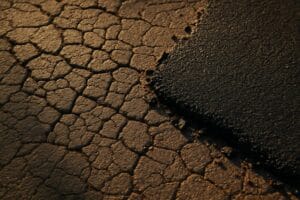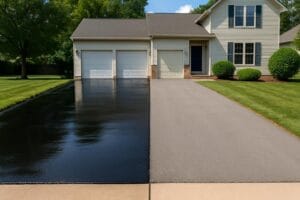
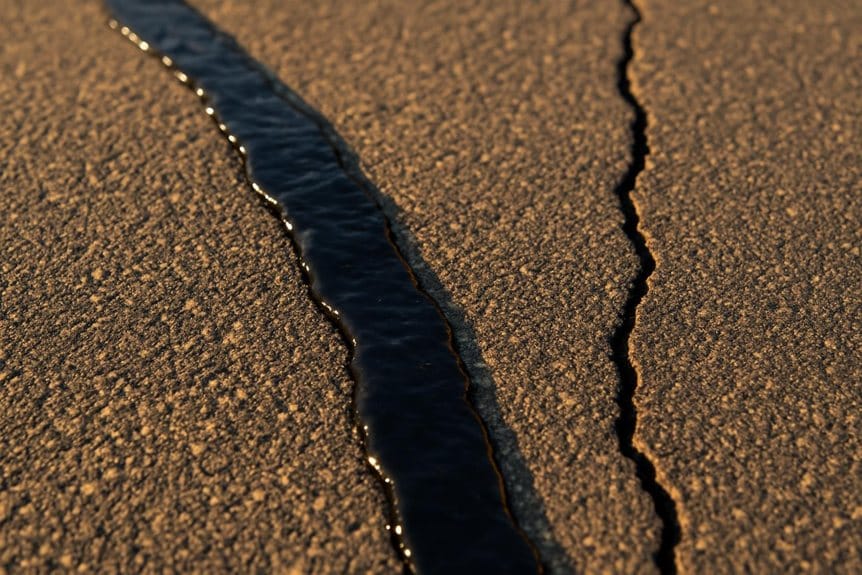
Crack filling uses liquid asphalt to patch stable, non-moving cracks. It’s cheap, fast, and typically lasts 1 to 2 seasons. Crack sealing uses hot rubberized material that flexes with temperature changes and can last several years. The difference isn’t just materials. It’s knowing which crack type you’re dealing with. Pick the wrong method and you’ll repeat repairs every season. Stick around and you’ll uncover exactly which repair your pavement actually needs.
Key Takeaways
- Crack filling uses liquid asphalt for stable, non-working cracks, offering short-term cosmetic repair lasting only one to two seasons.
- Crack sealing applies hot-pour rubberized material that flexes with seasonal movement, bonding to crack walls and lasting several years.
- Working cracks expand and contract with temperature changes and require flexible sealing; non-working cracks remain stable and suit filling.
- Sealing helps prevent water intrusion and freeze-thaw base damage; filling primarily addresses surface aesthetics and provides temporary protection only.
- Filling offers lower upfront cost but risks higher long-term expenses; sealing typically delivers better lifecycle value by helping prevent major pavement repairs.
Why Asphalt Cracks Need Immediate Treatment
When you spot a crack in your asphalt, act fast. Water is your pavement’s worst enemy.
Here’s what happens when you wait:
- Water enters cracks and damages your base
- Sand and dirt fill gaps and lock cracks open
- Active cracks expand and contract seasonally, getting worse fast
This cycle accelerates pavement failure. Potholes follow. Then full repaving costs hit hard.
The good news? Crack filling and crack sealing help stop this damage early.
Regular maintenance, including annual crack treatment, can extend your pavement’s life by years. That’s real money saved.
Remember this rule: Only seal or fill dry surfaces. Wet asphalt prevents proper bonding.
Act now. Prevent costly repairs later. Your pavement depends on it! We offer free quotes and professional asphalt repair to help you schedule timely maintenance.
Working vs. Non-Working Cracks: Which Type Do You Have?
How you treat a crack depends entirely on whether it moves.
Two crack types. Two very different solutions.
Non-working cracks stay put. They don’t shift with temperature fluctuations. These stable cracks are good candidates for standard crack filling, which is affordable and effective.
Working cracks are different. They expand and contract seasonally. They’re alive with movement!
To identify the type, ask yourself:
- Does the crack width change between summer and winter?
- Is it longitudinal or transverse?
If yes, you’ve got a working crack.
Working cracks demand flexible repair materials. Specifically, hot-pour rubberized sealant handles that constant movement. These sealants can last for many years when properly applied.
Know your crack. Choose wisely. Your pavement depends on it!
Seal coating and professional maintenance can further extend pavement life and protect against weathering, as shown by proven durability.
What Is Crack Filling and When Should You Use It?
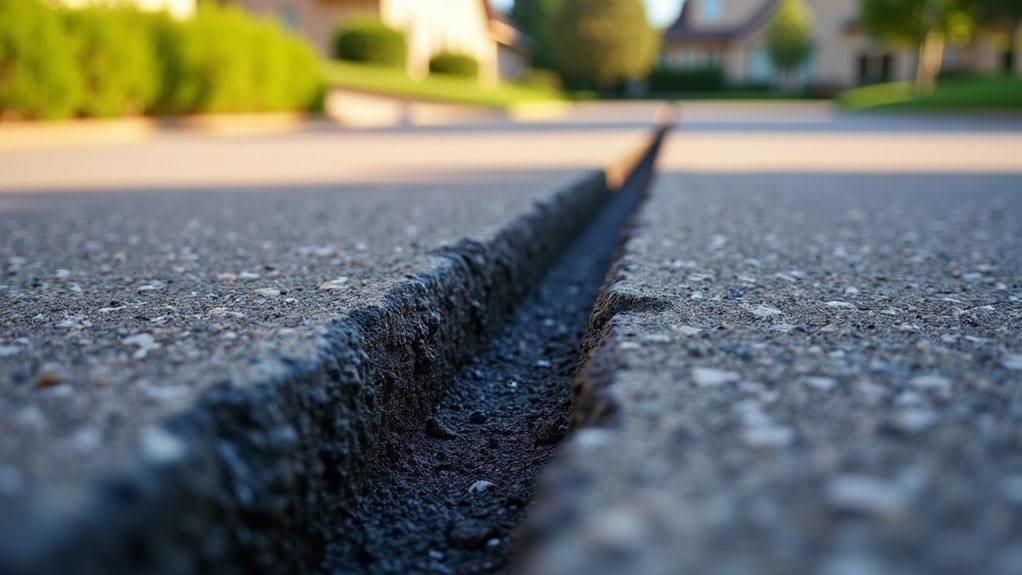
Now that you know working cracks need flexible sealants, let’s talk about their simpler cousin.
Crack filling is a non-structural repair using liquid asphalt to seal low-movement cracks and help prevent water infiltration.
It’s budget-friendly. It’s fast. But it’s a temporary fix.
| Factor | Crack Filling Details |
|---|---|
| Best crack type | Low-movement cracks |
| Material used | Liquid asphalt or emulsions |
| Application method | Manual, non-heated |
| Climate suitability | Mild, with limited temperature changes |
| Lifespan | 1 to 2 seasons |
Use crack filling when:
- Your budget is tight
- Cracks show minimal movement
- You’re in a mild climate
Annual reapplication keeps pavement protected longer. Act early. Small cracks can become expensive problems fast!
A proactive maintenance plan with preventive sealcoating can help extend pavement life and reduce overall repair costs.
What Is Crack Sealing and When Should You Use It?
Use crack sealing when you have:
- Active cracks that move with temperature and traffic
- A climate with extreme temperature swings
- A budget supporting higher upfront costs
Here’s the payoff: long-term protection that can last for years!
That’s serious value.
Crack sealing helps prevent water intrusion before it damages your pavement’s base structure. Less water means less freeze-thaw damage.
One critical note: Always hire experienced contractors for this job. Improper installation can accelerate failure.
Spend smarter now. Help avoid larger repair bills later! A professional sealant application also helps maintain curb appeal and protect your driveway for years to come.
Crack Filling vs. Crack Sealing: Which Materials Work Better?
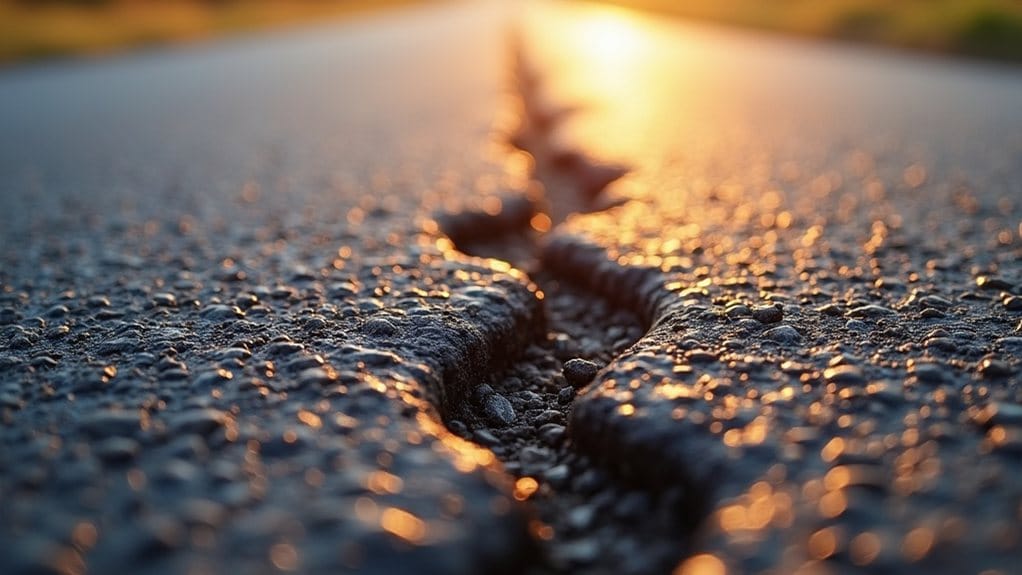
Pick the wrong material and your repair fails fast. Your material choice determines everything.
| Feature | Crack Filling | Crack Sealing |
|---|---|---|
| Material Type | Asphalt-based fillers | Rubberized sealants |
| Application Method | Cold-applied | Hot-applied sealant |
| Best For | Non-moving cracks | Active thermal movement |
| Service Life | 1 to 2 seasons | Several years |
Here’s what you need to know:
Asphalt-based fillers are budget-friendly but temporary. They work on stable non-moving cracks only.
Rubberized sealants flex with seasonal changes. That flexibility is a game-changer for long-term protection.
Crack filling saves money today. Crack sealing helps protect your pavement tomorrow.
Choose based on your crack’s movement and your budget. Simple decision. Big results.
Regular maintenance, like sealcoating and timely repairs, can extend driveway lifespan and help prevent costly replacements.
How Each Method Is Actually Applied
Rout it. Square out the crack walls first. That’s crack sealing done right.
Crack sealing steps:
- Clean and rout the crack edges
- Blast debris with compressed air
- Apply hot-pour rubberized sealant
- Overbanded finish for a weatherproof seal
- Handles seasonal movement well
That sealant bonds well to crack walls. It flexes. It can last for years.
Crack filling works differently:
- Skip the routing
- Clean the crack quickly
- Use a pour pot/emulsion or cold-fill material
- Force-fill non-moving voids fast
No heating required. No specialized melters needed.
The big difference? Crack filling won’t flex with seasonal movement. Expect one or two seasons, then reapply.
Choose your method based on what your pavement actually needs! Businesses across Central PA rely on professional maintenance and free estimates to help keep lots safe. Learn more about pothole repair.
What Happens When You Use the Wrong Repair Method
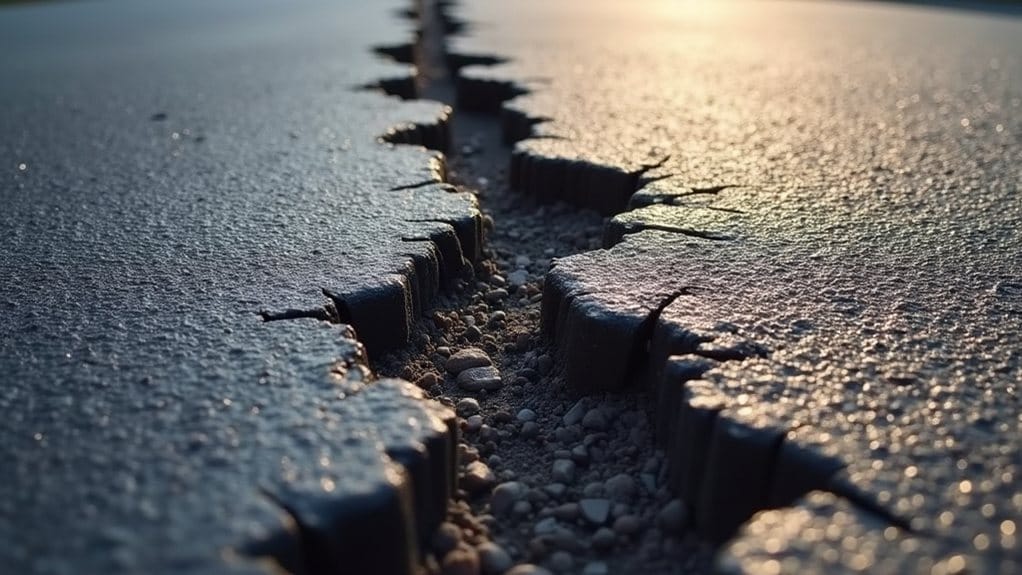
Choose the wrong repair method and you may pay for it twice.
Using crack filling on working cracks can cause the filler to pull away fast. One season. Gone. Water sneaks in and damages your base.
In cold climates? Non-flexible filler can fracture on working cracks. That means freeze-thaw damage and potholes.
| Mistake | Consequence | Cost Impact |
|---|---|---|
| Filling working cracks | Filler separates in one season | Repeat repairs yearly |
| Wrong timing (wet/cold surfaces) | Zero bonding occurs | Reapplication within two seasons |
| Filling alligator cracking | Masks subbase failure | Much higher replacement costs |
Applying crack sealing to non-working cracks wastes money upfront. It still works, but it’s overkill.
Smart pavement maintenance means matching the method to the crack. Otherwise you’re delaying a full-depth repair you can’t avoid.
Nathan’s Paving’s experience and materials can help ensure the right method is chosen for long-lasting results.
Cost vs. Longevity: Which Method Saves More Money?
When budget drives your decision, crack filling looks like the obvious winner, but don’t be fooled.
Here’s the reality:
Crack filling costs less upfront. But it often only lasts 1 to 2 seasons. That means you’re paying again and again.
Crack sealing uses hot-pour rubberized sealant. It typically holds strong for several years.
Do the math:
- Annual crack filling = repeated costly repairs
- One crack sealing job = long-term savings
Your lifecycle cost can drop markedly with sealing.
The smart asphalt maintenance strategy?
- Fill minor, stable cracks to save short-term
- Seal active, working cracks for longer-lasting results
Crack sealing often wins the long game. Don’t let a small upfront saving cost you more later.
Nathan’s Paving in Etters offers free estimates and over 20 years of industry experience to help choose the right approach for your pavement, backed by professional service.
Frequently Asked Questions
Is Crack Sealing Better Than Filling?
Here’s why sealing often dominates:
- Sealant flexibility handles temperature swings well
- Weather sensitivity calls for rubber-based materials for working cracks
- Material compatibility matters a lot for active cracks
But you’ll need proper surface preparation and respect traffic limitations post-application.
Bottom line: Choose sealing for long-term ROI. Choose filling for tight budgets and non-moving cracks. Smart timing = big savings!
How Long Does Crack Sealer Last?
Here’s what impacts your lifespan:
- Sealant composition and UV stability matter a lot
- Temperature sensitivity shortens life in freeze-thaw climates
- Moisture resistance helps protect against water infiltration
- Surface preparation is everything. Skip it and you’ll fail fast
- Traffic tolerance determines wear rate
- Application frequency every 2 to 3 years helps maximize protection
Prep right and win big!
How Much Does It Cost to Seal a 2000 Square Foot Driveway?
Key cost factors:
- Labor estimates: Add $200 to $400
- Surface prep: Impacts final price markedly
- Seasonal pricing: Spring bookings cost more
- Equipment rental: Saves money on DIY jobs
- Material costs: Hot-pour sealant runs higher
Budget $400 to $1,000 total!
What Are the Negatives About Sealing a Driveway?
Here’s what you need to know:
- Chemical runoff can affect nearby plants
- Surface discoloration may look uneven or patchy
- Sealant odor can linger for 24 to 48 hours
- Slip hazard increases when wet
- Application timing matters. Cold temps can ruin results
- Hidden damage can get masked underneath
- Maintenance dependency means you’ll reseal every 2 to 3 years
Sealing isn’t always the perfect solution!
Conclusion
Small crack today. Major failure tomorrow.
You now know the difference between crack filling and crack sealing. Use the wrong method and you may waste money. Use the right one and you’re helping protect a serious investment.
Don’t guess. Identify your crack type first. Then match it to the correct repair method.
Your pavement is talking to you. The real question is, are you listening?
Would rather have someone identify the crack type for you? Nathan’s Paving provides asphalt repair in Carlisle, PA and will match the right method to the damage.