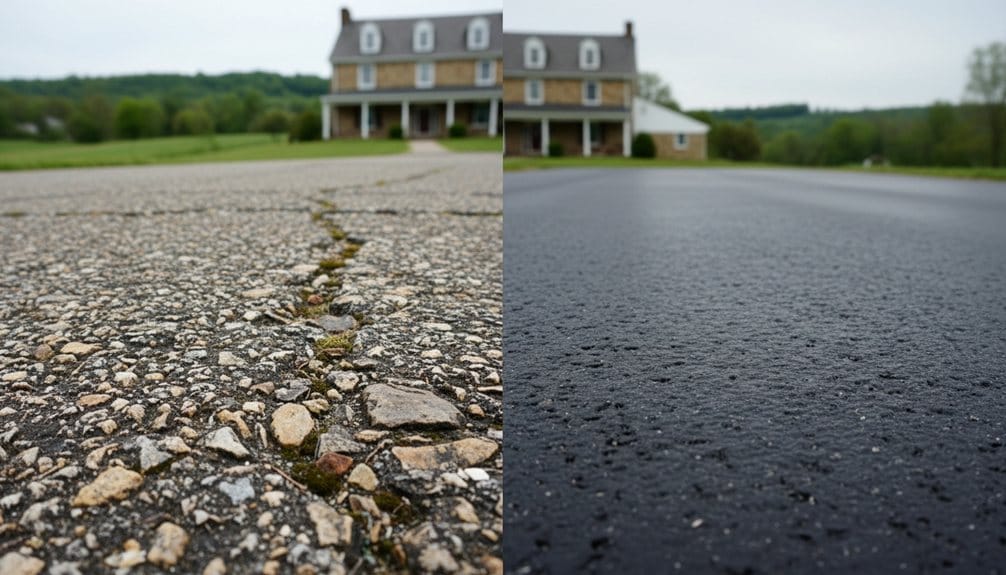
Tar and chip (macadam) costs less upfront but requires regular maintenance. Asphalt runs higher initially but provides an extended lifespan with sealcoating every few years. Central PA’s 100–140 annual freeze-thaw cycles hit both hard—asphalt is often preferred for winter performance. Tar and chip suits rustic, low-traffic properties. Asphalt handles heavy vehicles and suburban driveways better. Over the years, lifetime costs can become nearly identical. Your choice hinges on traffic volume, budget, and maintenance commitment. Learn which surface truly pays off for your driveway.
Key Takeaways
- Asphalt offers a longer service life compared to tar and chip, making it highly durable for Central PA’s frequent freeze–thaw cycles.
- Tar and chip costs less upfront but requires periodic resealing, while asphalt needs sealcoating every 3 years to maintain performance.
- Asphalt handles heavy traffic and plows better; tar and chip suits low-traffic rural properties with natural drainage and rustic appearance.
- Central PA winters demand active maintenance: rubber-edged plows, prompt snow removal, and drainage upkeep for both surfaces to prevent damage.
- Asphalt offers a uniform dark appearance; tar and chip provides lighter, granular rustic character ideal for rural driveways.
What’s the Difference Between Macadam and Asphalt?
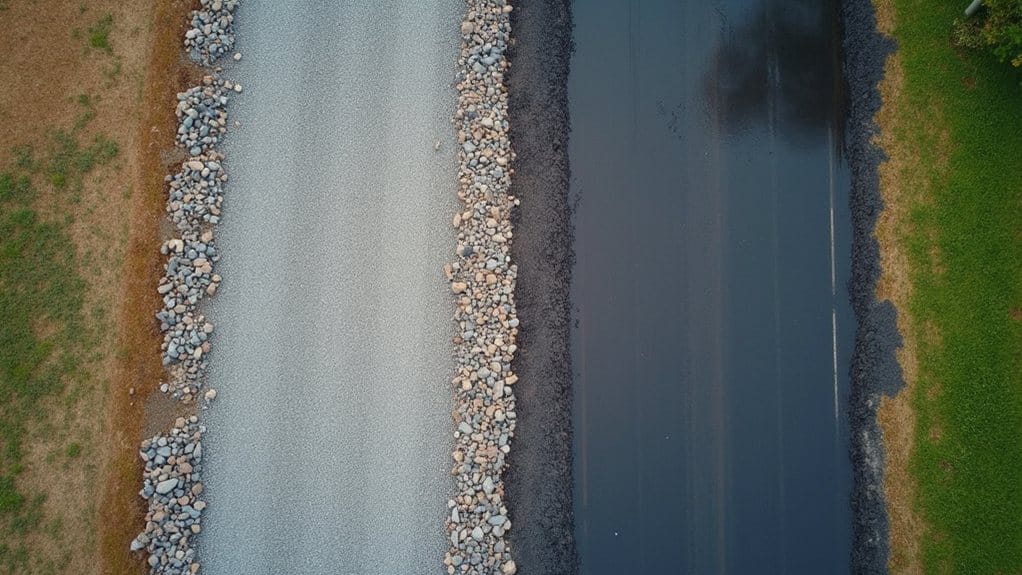
Durability: Asphalt generally outlasts tar and chip surfaces. You can expect decades of service from asphalt with proper care compared to the shorter cycles of tar and chip.
Drainage: Tar and chip (macadam) porous structures handle water naturally. Asphalt requires professional grading for proper runoff.
Load capacity: Asphalt handles heavy traffic effectively. It’s ideal for commercial driveways and high-traffic residential areas.
Chip seal variants blend both approaches for specific property needs.
Nathan’s Paving & Seal Coating recommends regular maintenance and seal coating to extend pavement life, a proven way to protect asphalt from environmental damage and reduce long-term repair costs seal coating.
Upfront Costs: Which Option Fits Your Budget?
When you’re ready to pave, your budget often comes first.
The Price Reality
Tar and chip (macadam) generally costs less upfront than asphalt in Central PA. You’re paying for simpler materials and efficient installation.
Asphalt demands specialized hot-mix production and equipment—that contributes to the initial investment.
The Real Story
Maintenance is a key factor: tar and chip needs resealing every few years to stay in peak condition.
Asphalt provides a longer service life compared to the shorter maintenance windows of tar and chip. Your total investment is realized over time.
Light traffic? Tar and chip is an excellent short-term value.
Heavy vehicles? Asphalt helps reduce maintenance requirements later.
Get Smart
Central PA’s temperature swings can affect project pricing. It’s best to request detailed quotes for both options.
Compare total ownership costs—not just the initial price. That’s how you decide confidently.
We recommend asking contractors about their professional installation practices to ensure durable, compliant work.
Total Cost of Ownership: Why Upfront Price Isn’t the Full Story
The lower initial price of tar and chip is just one part of the long-term cost equation.
The Real Math Over the Years
Tar and chip is less expensive initially. However, you’ll need to re-layer or patch the surface periodically to maintain its integrity.
Asphalt requires a higher upfront investment but often results in lower yearly maintenance costs. Over two decades, lifetime costs can become nearly identical.
Central PA’s Brutal Reality
Freeze–thaw cycles can affect loose aggregate surfaces. You may need to address potholes after particularly harsh winters.
Asphalt resists surface damage effectively when properly installed and maintained.
Don’t Skip the Foundation
Investing in professional drainage and subbase quality during installation protects your investment for the long term.
Both materials benefit enormously from a solid foundation.
The Hidden Value Factor
Asphalt’s smooth finish often enhances curb appeal and perceived property value.
A professional finish can contribute to resale potential and lower future upgrade requirements.
Professional paving teams in Central PA emphasize meticulous groundwork and use of quality materials to ensure long-term performance.
Freeze-Thaw Cycles and Salt Damage: How Central PA Winters Test Your Driveway
You’re facing roughly 100–140 freeze–thaw cycles annually. Water expands when frozen, which can lead to surface stress and potholes.
Why Your Driveway Suffers:
- Porous structures can absorb meltwater, which may accelerate surface deterioration
- Heavy deicing salt usage can impact the longevity of the binder material
- Repeated freeze–thaw cycles contribute to aggregate loss and edge cracking
- Chemical deicers can weaken pavement bonds over time
- Choosing alternative deicers can help mitigate damage to the surface
Protect Your Investment Now:
Act decisively before winter hits. Crack seal as needed and apply regular sealcoating to asphalt surfaces. Install proper base drainage and remove snow promptly. These preventive moves help extend driveway lifespan and manage long-term costs. Nathan’s Paving & Seal Coating prioritizes customer satisfaction in every project and can help implement these measures.
Real-World Lifespan: What to Expect in Pennsylvania Conditions
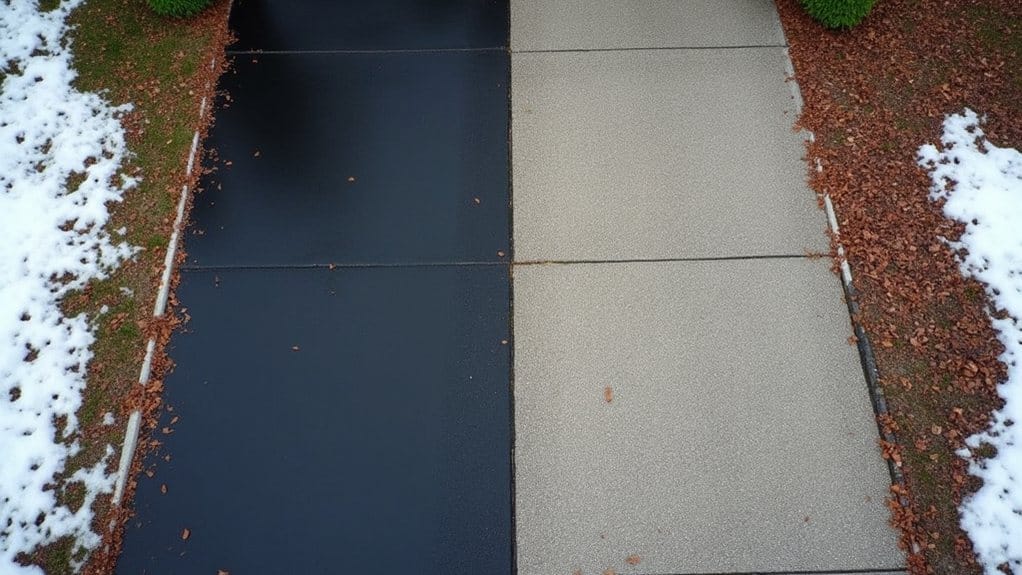
Because Central PA’s winters demand it, your driveway choice directly impacts your long-term maintenance plan.
Asphalt’s Strong Track Record
You’ll receive many years of service from properly installed asphalt. It is a highly reliable choice for the region.
Freeze–thaw cycles are a factor, but professional drainage prevents catastrophic failure.
Sealcoating every few years keeps the surface resilient.
Tar and Chip (Macadam) Expectation
Chip seal and tar and chip surfaces offer a rustic look but generally have a shorter maintenance cycle.
Freeze–thaw cycles and heavy equipment can accelerate surface wear.
The Real Cost Perspective
Tar and chip is more affordable upfront.
Asphalt demands a higher initial investment but provides longer service intervals between major repairs.
Your drainage strategy is a critical factor for both surfaces.
Poor grading can damage either surface faster than the weather alone.
Our team’s experience in Central PA means we’ve seen these outcomes firsthand, and we can recommend seal coating schedules and drainage fixes to extend pavement life.
Year-Round Upkeep: What Your Driveway Actually Needs
Driveway maintenance is an ongoing commitment that protects your property investment.
Your Central PA driveway faces yearly freeze–thaw cycles. Here’s how to manage it:
- Sealcoating asphalt periodically blocks water and UV damage
- Addressing cracks promptly prevents potholes from forming
- Tar and chip upkeep requires periodic surface replenishment
- Drainage maintenance means clearing debris and monitoring slopes year-round
- Seasonal care includes spring cleaning and using rubber-edged snow plows
Don’t ignore small cracks or standing water. Water infiltration can impact your subbase over time. Tar and chip surfaces benefit from periodic management of the aggregate.
Spring and fall are critical seasons. Clear drainage areas and maintain proper slopes. These simple actions help extend your driveway’s lifespan and manage repair costs. Nathan’s Paving & Seal Coating offers expert sealing services to protect your driveway with premium sealant.
Visual Differences: Color, Texture, and Neighborhood Fit
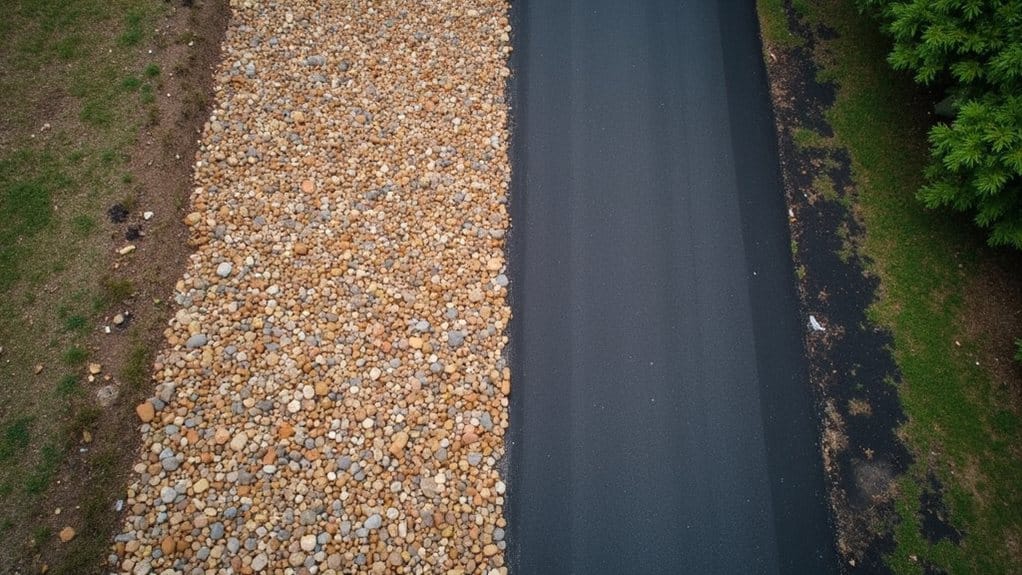
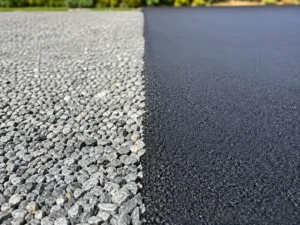
Tar and chip displays varied grays, browns, and tans from the exposed crushed stone.
Asphalt provides a uniformly dark charcoal appearance.
In Central PA’s sunshine, the lighter palette of tar and chip can absorb less heat than a dark asphalt surface.
Texture Matters
Tar and chip features a granular surface with a matte, rustic finish.
Asphalt is smooth and dense, offering a clean, modern look.
Neighborhood Fit
The rustic character of tar and chip suits country properties well.
The sleek, consistent surface of asphalt is a popular choice for suburban neighborhoods.
Nathan’s Paving & Seal Coating brings over a decade of experience to ensure proper ground preparation for lasting driveway performance.
Tar and Chip vs. Asphalt: Side-by-Side Comparison
Now that you’ve seen the visual differences, let’s compare them head-to-head.
The Key Differences
You’re choosing between two different approaches to durability. Tar and chip uses layered stone and binder, while asphalt offers a smooth, impermeable surface.
Here’s what matters most:
- Initial Investment: Tar and chip is generally more affordable upfront.
- Long-Term Maintenance: Tar and chip requires periodic resurfacing. Asphalt needs sealcoating every few years.
- Lifespan: Asphalt provides a long-term service life with proper care.
- Drainage: Tar and chip’s granular texture provides natural drainage. Asphalt requires professional grading.
- Traffic: Asphalt is designed for heavy-duty use. Tar and chip is ideal for lower-traffic residential use.
Nathan’s Paving & Seal Coating has extensive regional experience in driveway work, helping homeowners choose the right material for their needs with a free quote.
The Bottom Line
You’re balancing upfront savings with ongoing maintenance. Investing more now in asphalt provides cost-effective, long-term durability for many years.
Which Surface Works Best for Your Driveway Type?
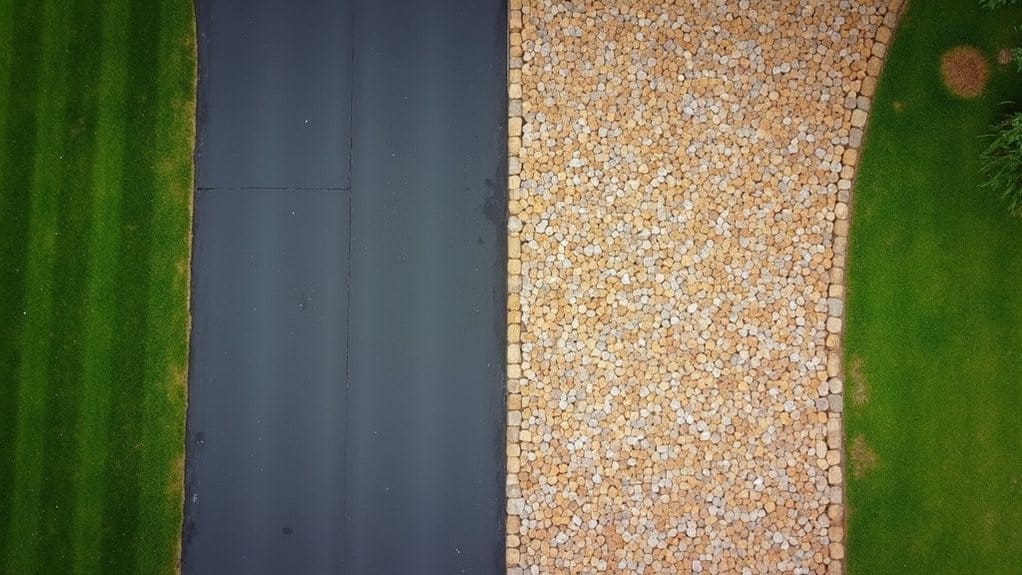
Low-Traffic Rural Properties
Tar and chip and gravel paving work well here. Many homeowners appreciate the rustic crushed stone texture.
Plan for periodic surface management.
Affordable upfront costs can provide immediate value.
Suburban & High-Use Driveways
Asphalt hot-mix is the standard for high-use areas.
Frequent vehicle use and plowing demand professional durability.
Asphalt offers many years of reliable performance.
Drainage Challenges?
The granular structure of tar and chip can assist on varied grades.
Asphalt requires proper professional base preparation and sub-drains for maximum stability.
The Real Talk
Choose tar and chip for rustic appeal and initial savings.
Pick asphalt for smooth, professional aesthetics and heavy-duty performance.
Our team brings over 10 years of experience to recommend the best option for your property, backed by top-grade materials.
Making the Right Choice for Your Central PA Home
Since Central Pennsylvania’s winters and freeze-thaw cycles impact your driveway, picking the right material is essential.
Your decision depends on traffic, budget, and maintenance:
- Light traffic + initial budget focus? Tar and chip offers lower upfront costs.
- Heavy vehicles + durability focus? Asphalt provides many years of service.
- Winter damage concerns? Asphalt is highly resistant to freeze-thaw cycles.
- Drainage focus? Tar and chip surfaces allow for natural water infiltration.
- Long-term value? Asphalt often requires fewer major repairs over time.
Tar and chip requires periodic surface replenishment to stay functional.
Asphalt demands periodic sealcoating, which is a standard maintenance practice.
Bottom line: Choose asphalt for maximum durability. Choose tar and chip for rustic appeal and immediate savings.
Nathan’s Paving & Seal Coating provides reliable results you can depend on throughout Central Pennsylvania.
Frequently Asked Questions
Is Macadam Better Than Asphalt?
It depends on your goals. Tar and chip (macadam) offers lower initial costs but requires more seasonal maintenance. Asphalt provides many years of service and stands up well to Central PA’s freeze-thaw cycles.
Choose tar and chip if: you want a rustic look and natural drainage.
Choose asphalt if: you want long-term durability and less maintenance.
How Much Would a 20X20 Asphalt Driveway Cost?
Typical cost factors include:
- Asphalt thickness: Professional standard is typically 2–3 inches
- Base stabilization: Costs vary if professional grading is required
- Excavation: Site prep needs can affect the total price
- Edge reinforcement: Professional edging can improve durability
- Drainage grading: Essential to prevent water pooling
- Maintenance: Periodic sealcoating is part of the long-term plan
Pro tip: Request a written estimate to understand the full scope of your project.
What Are the Disadvantages of Macadam?
Tar and chip requires a proactive maintenance commitment.
Common considerations:
- Loose aggregate can scatter over time
- Moisture can impact the surface if not managed
- Surface stress during freeze-thaw cycles
- Generally has a shorter service life than asphalt
- Requires more frequent maintenance cycles
- Can be sensitive to heavy vehicle loads
Professional asphalt installation often provides a better long-term value for high-use driveways.
How Long Does Macadam Pavement Last?
Key factors for longevity:
- Regional climate and freeze-thaw cycle frequency
- Traffic volume and vehicle weights
- Consistency of professional maintenance
- Quality of the initial professional sealcoating
Bottom line: Staying on top of repairs is the best way to maximize the life of your driveway.
Conclusion
You’ve got two solid options. Tar and chip (macadam) offers lower upfront costs while asphalt provides a smooth, durable surface that lasts for many years. Central PA winters are a major factor for both. Choose tar and chip for budget-conscious rustic appeal, or pick asphalt for reliable, hands-off durability. Your driveway’s future depends on a solid maintenance plan.