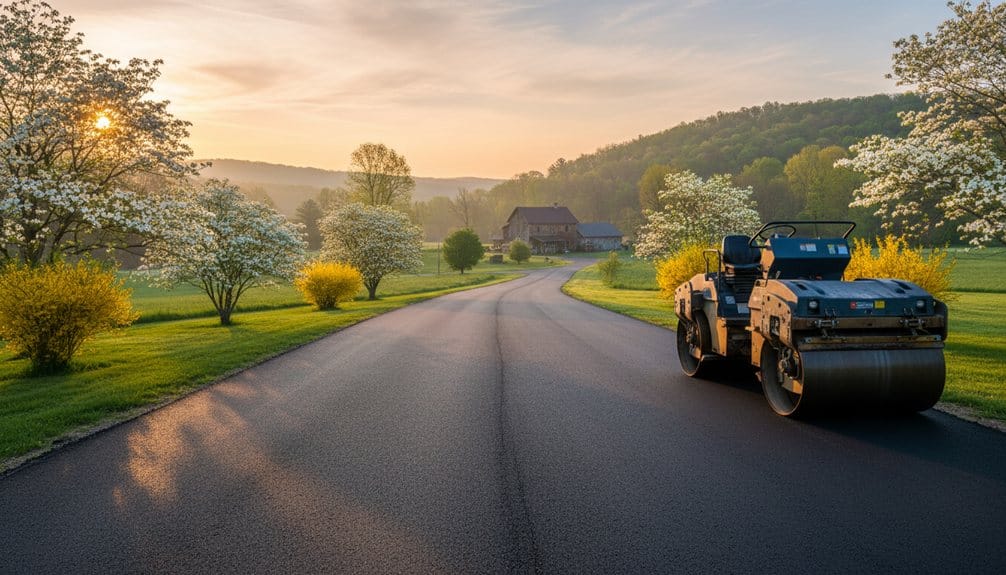
Book your Central PA spring paving project NOW—don’t wait until April! You’ve got a narrow window: late April through early June when ground thaws and temps hit 60–75°F. Early April paving fails because semi-frozen soil causes future cracking and spring rain prevents proper curing. Contact contractors by February–March to lock availability and pricing before peak season fills up. Gather measurements, document surface damage, and confirm 48–72 hours dry conditions. The difference between booking today and waiting? Lower costs, better crews, and a successful project instead of fall scrambling.
Key Takeaways
- Late April through early June is Central PA’s optimal paving window; May offers prime conditions for scheduling.
- Book contractors in February–March now to secure May–August availability before peak season capacity fills.
- Avoid paving when air temperatures fall below 50°F; ideal range is 60–75°F for proper compaction.
- Ground must be dry with 48–72 hours of recent dry weather to prevent settlement and cracking.
- Provide contractors measurements, surface issues, traffic type, and access details early to expedite quotes and assessments.
Why You Should Pave in Spring (Not Early April)
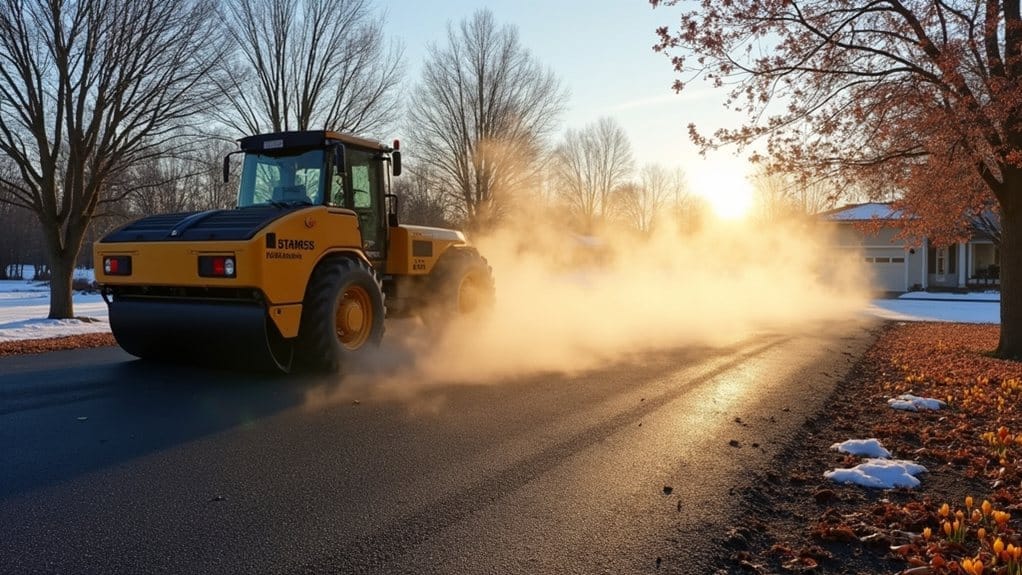
Early paving in April hits frozen ground. Semi-frozen soil causes settlement issues later. Fresh asphalt needs time to bond properly. Water sneaks into base layers. Cracking happens fast.
Why Late April Works Better
Wait until late April. Ground temperatures rise after the spring thaw. Asphalt stays workable longer at proper temperatures. Your pavement lasts markedly longer.
Weather Conditions Trump Everything
Early spring brings heavy rain. Fresh asphalt needs 24–72 hours dry. April rain prevents proper curing. Late spring offers predictable dry windows. You’ll actually get quality work done.
The Bottom Line
Schedule late April through June. Better ground conditions. Better weather conditions. Better results. Your driveway will thank you! Nathan’s Paving & Seal Coating completes 500+ projects annually, showing consistent experience and reliability.
Central PA’s Paving Window: Late April Through Early June
Ground thaw finishes by late April. Your subgrade won’t be frozen anymore. That means better compaction and longer-lasting results.
May is Prime Time
You’ll want May specifically. Daytime temps hit that sweet 50–70°F range asphalt needs to stay workable. Overnight lows stay above 50°F too—crucial for proper curing.
Dry Stretches Matter
Multi-day dry periods happen more often in May. You’ll avoid rain delays that wreck base layer prep. Plan around forecasted heavy rain within 24–48 hours.
Book Early
Central PA’s spring window fills fast. Secure your May slot now for 2026. Midsummer spots fill with backlog projects only. We serve neighborhoods across Central PA, including Hanover, Etters, and Dillsburg, so contact us to reserve your service area early.
Temperature Sweet Spot: 60–75°F for Even Asphalt Compaction
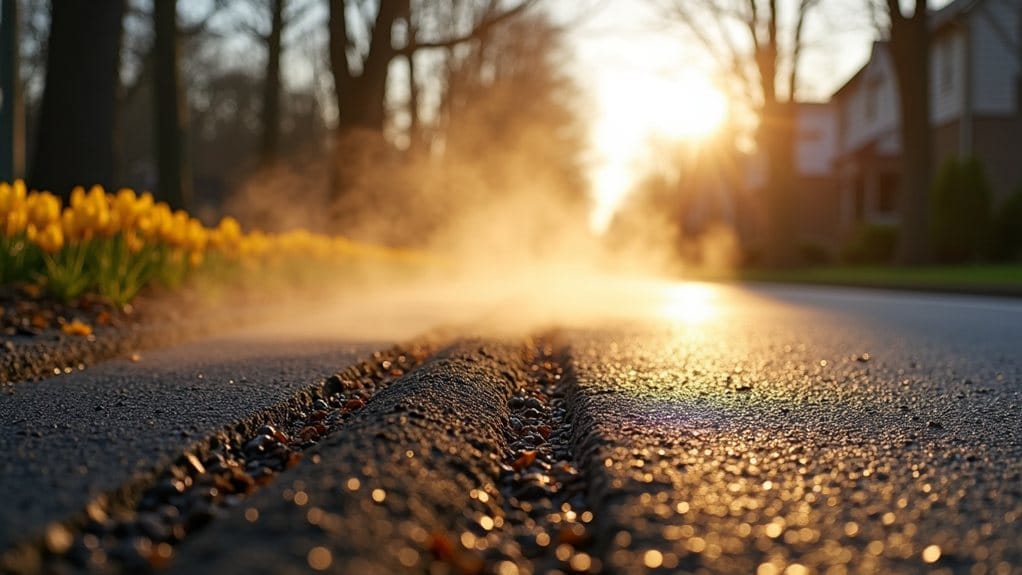
When you pave asphalt in this sweet spot, your mix stays workable long enough. Hot-mix asphalt needs time to set properly. You’re aiming for that 275–300°F range. Cool conditions slow everything down fast.
The Real Deadline
Compaction must finish before your mix drops below 175°F. That window’s tight!
Ground temperature counts too. Thawed soil within 60–75°F prevents rapid heat loss.
Skip air temps below 50°F. You’ll lose workable time instantly.
Watch for Hidden Threats
Wind, humidity, and shade? They’ll tank your effective temperature.
Monitor conditions constantly. Your commercial paving success depends on hitting that 60–75°F target and protecting it fiercely. Our team brings over 10 years of experience to ensure projects meet temperature and timeline requirements, backed by strong local reviews and trusted service.
Why Early April Paving Fails in Pennsylvania
You’ve nailed the temperature window. But here’s the catch—early April brings brutal nighttime swings Your new asphalt cools too fast at night. Compaction crews lose their working window.
The Real Problems:
- Ground stays damp from snowmelt and rain
- Fresh asphalt needs time to set properly
- Spring showers interrupt curing schedules
- Cold nights (below 40°F) wreck bonding
You’re looking at 24–48 dry hours minimum. Early April rarely delivers that. Even when daytime temps hit 55°F, nighttime drops sabotage everything.
The Cost? Cracking. Potholing. Expensive callbacks next winter.
Contractors who pave too early spend thousands fixing preventable damage. Wait until mid-to-late April instead. Your pavement—and your budget—will thank you. We complete over 500 projects a year using top-grade materials to ensure lasting results.
Ground Conditions: Dry Soil Over Frozen Earth
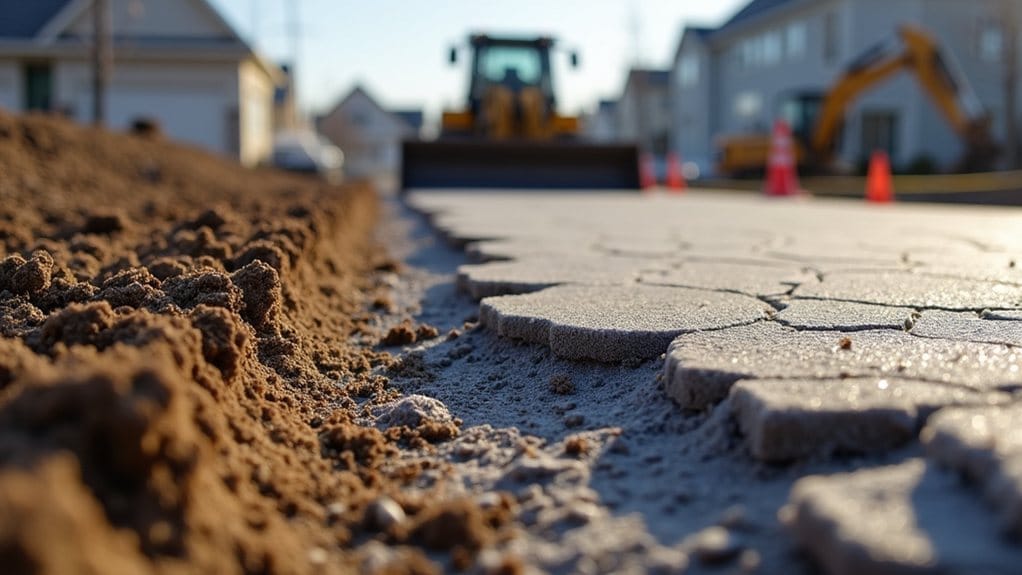
Even if the thermometer hits 50°F, don’t touch that asphalt yet.
Air temperature and ground temperature are totally different animals. Your subgrade conditions determine everything about paving success.
What you’re really waiting for:
- Ground thaw that penetrates deep into the earth
- Dry soil capable of supporting heavy compaction equipment
- A solid, unfrozen subgrade foundation
- Multiple days of consistent above-freezing temperatures
Frozen or semi-frozen ground prevents proper compaction. This creates cracking and settlement disasters later. You’ll regret rushing it.
Wait until your top 6–12 inches feel genuinely dry. No standing water. No mushy spots. No frost heave evidence.
Schedule paving after 48–72 hours of dry weather. This timing lets base layers achieve required compaction. Your spring project stays solid for years. Patience wins every time.
We completed a successful spring repaving for commercial parking that dramatically improved curb appeal and long-term performance.
How Spring Rain Kills Fresh Asphalt
Rain doesn’t care that you’ve got a paving schedule.
The Temperature Problem
Fresh asphalt needs heat. You’re placing it at 275–300°F. Rain cools it down. Fast. Too fast. Your crew must finish compaction before the mix drops below 175°F. Rain cuts that window short. Way short.
Why This Matters
Water traps itself in layers. It prevents bonding. You get immediate stripping or future potholes. Nobody wants that disaster.
The Real Damage
Moisture weakens your foundation. Your base needs 24–72 hours of dry conditions before paving. Humidity and wind? They accelerate cooling even more. Your rollers leave permanent marks. Density suffers.
The Solution
Avoid rain forecasts within 24–72 hours of your pour date. Spring weather in Central PA demands planning. Don’t gamble. Schedule wisely. Professional crews with over 10 years of experience can help time your project and avoid costly mistakes.
Book Early: Lock in Your Contractor and Best Pricing
Spring’s got a short window—and contractors know it. You’ve got to act fast to secure your commercial paving project for 2026.
Why early booking matters:
- February–March contact gets you estimates before peak demand hits
- April lock-ins guarantee June–August slots with ideal weather
- Detailed quotes early allow time for milling and base assessments
- Written agreements protect your timeline and pricing from delays
Request crew availability and cancellation policies upfront. This protects you from rain-delay disasters. Early commitment also means contractors prioritize *your* project over others demanding last-minute slots.
Don’t wait. Call contractors now. The best teams book fast. Your 2026 budget timeline depends on it. Fast, free quotes are available to help plan your project and budget, so be sure to request a detailed estimate early.
Before You Call a Contractor: Your Pre-Paving Checklist
You’ve booked your contractor. Now prep your parking lot for success!
Document Everything
Measure your paving area. Note traffic type—heavy trucks or passenger cars? This info helps your contractor pick the right thickness and equipment.
Inspect the Surface
Walk your lot carefully. Spot potholes, cracks, and drainage issues. Document everything with photos. Addressing these problems *before* paving saves money and prevents future failures.
Check Weather Affect
Weather affects everything. Confirm your ground isn’t frozen. Make certain 24–48 hours of dry conditions before work starts. Spring rain delays happen—plan accordingly!
Confirm Access & Timeline
Clarify crew access windows. Handle tenant notifications early. Align permits with your contractor’s schedule.
These steps? They’re your foundation for smooth, durable paving results!
Nathan’s Paving & Sealcoating completes over 500 projects annually, demonstrating our experience and reliability when scheduling your spring work—consider contacting us about project availability to reserve your dates.
Schedule Your Spring 2026 Project Today
- March–April booking secures May–August availability before peak season explodes
- Lock in estimates today to compare contractors and pricing
- Coordinate complementary work like drainage or landscaping simultaneously
- Build weather buffers into your timeline (expect rain delays!)
Contact Nathan’s Paving today for a free estimate. Call us at (717) 648-503or request online quotes.
Confirm crew availability and equipment access.
Schedule your spring 2026 project today. Waiting means scrambling for fall slots instead.
Early commitment gives contractors time for thorough assessments and permitting.
Temperature matters too—aim for consistent 50°F+ daytime highs.
Your spring window’s closing fast. Act now!
Nathan’s Paving has built strong client trust with over 250 happy clients, so secure your spot with a reputable contractor early.
Frequently Asked Questions
What Time of Year Is Best to Pave a Driveway?
Skip these times:
- Below 50°F temperatures
- Heavy rain periods
- Windy days
Pro tip: Solid driveway design and soil testing beforehand matter hugely.
Plan sealcoating timing for late summer—typically August or September—after your fresh asphalt fully hardens.
What Is the Paving Season?
Why this timing matters:
- Hot asphalt needs warm air for proper curing
- Contractors have better availability early in season
- Weather windows are longer and more predictable
- Ground’s thawed and ready for work
Schedule projects early. Late-season cool snaps shrink your workable window fast!
How Long Does It Take to Pave a Parking Lot?
- Site prep & base work: 2–4 days
- Asphalt installation: 1–2 days
What affects your timeline:
- Proper drainage planning prevents costly delays
- Correct asphalt thickness guarantees durability
- Smart compaction techniques speed things up
Light traffic? You’ll get it in 24–48 hours.
Full strength? About one week.
Weather matters big time.
Rain and cold temperatures? They’ll push your schedule back.
Can You Pave a Driveway in November?
Seal timing gets tricky too. You’ll likely need callbacks and repairs.
Better move? Schedule May through September instead. Seriously—wait for warmer weather!
Conclusion
Don’t miss your window! You’ve got to strike while the iron’s hot with spring paving. Late April through early June is your golden ticket in Central PA. Book your contractor *now* before slots fill up. Lock in competitive pricing. Confirm your crew’s availability. Your driveway’s smooth future depends on timing it right. Call today and get your project rolling!