
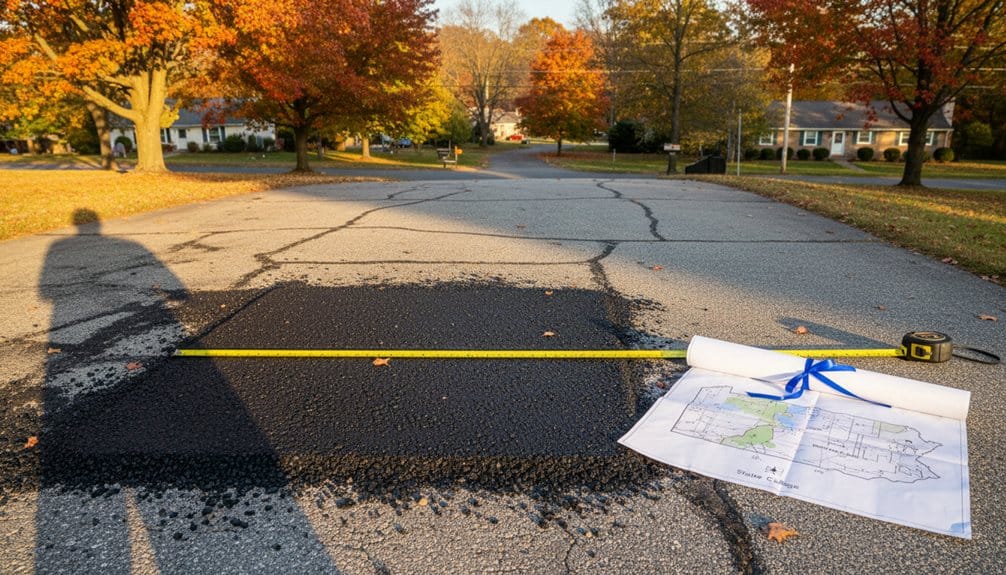
Ask these 10 critical questions before hiring a Central PA paving contractor. Request references from projects completed in the last 12–24 months—call them directly. Verify PA Home Improvement Registration and current insurance ($1–2M liability minimum). Confirm local crews, year-round availability, and familiarity with Central PA’s clay soils and freeze-thaw cycles. Get a detailed estimate breaking down labor, materials, and exact asphalt mix type. Establish a written payment schedule with 10–20% final retention tied to completion. Demand a thorough warranty covering maintenance requirements and a clear dispute-resolution process. Understanding these fundamentals converts you from confused homeowner into an informed decision-maker.
Key Takeaways
- Request 5–10 recent local references from the past 12–24 months and verify them through Google, Yelp, and BBB reviews.
- Confirm PA Home Improvement Registration, general liability insurance ($1–2M minimum), and workers’ compensation before signing any contract.
- Verify understanding of Central PA climate, soil types, drainage design, and use of appropriate hot mix asphalt with anti-stripping additives.
- Obtain detailed estimates separating labor, materials, equipment, and base work with a written payment schedule using 10–30% deposit and 5–10% final retention.
- Secure written warranty with exact duration, exclusions, maintenance requirements, and dispute-resolution clause covering weather contingencies and subsurface issue responsibility.
Can You Show References From Recent Central PA Projects?
How’d you like to peek at a contractor’s actual work before hiring them?
Ask for Central PA References
Request 5–10 recent project references from the last 12–24 months. Specifically ask for driveway references, parking lot references, or walkway work that matches your project type. This matters because experience counts!
Get the Details
Grab their contact info and project addresses. Call those references directly. Visit completed projects in nearby towns like Harrisburg or Lancaster when possible.
Inspect the workmanship and drainage yourself—your eyes don’t lie.
Verify Timeline and Budget
Ask each reference whether the contractor met the agreed timeline and budget. Did they finish on time? Stay within costs? Patterns can help reveal reliability.
Check Long-Term Performance
Ask about cracking, potholes, and drainage issues years later. Did the contractor honor warranty and follow-up repairs? That’s golden information!
Cross-Check Online
Verify references against Google, Yelp, and BBB reviews. Consistency between direct testimonials and public feedback proves legitimacy.
Many reputable contractors also serve Central PA neighborhoods, so ask whether they have completed projects in towns like Hanover, Gettysburg, or Camp Hill.
How Many Years of Central PA Paving Experience Do You Have?
Dig deeper with these questions:
| Question | Why It Matters |
|---|---|
| How many local projects completed? | Proves hands-on Central PA experience |
| Do you work with hot mix asphalt and reclaimed asphalt? | Shows familiarity with regional materials |
| Are crews locally based year-round? | Guarantees faster warranty service |
| Can you provide local references? | Confirms reputation in your area |
Contractors with deep Central PA roots deliver superior results. A local crew using premium materials helps ensure durability and long-term value.
Are You Licensed and Insured in Central PA?
Before you sign anything, you’ve got to verify your contractor’s credentials.
Check Their PA Home Improvement Registration
Ask for their PA license number directly. Request proof of current registration. This isn’t optional—it’s your protection!
Demand Insurance Documentation
You need two things:
- General liability insurance (minimum $1–2 million coverage)
- Workers’ compensation insurance
Don’t just accept their word. Call the insurer yourself. Verify actual policy dates and coverage limits. This step helps protect your financial interests.
Know About Permits
Ask if they’ve secured municipal permits before. Can they handle local inspections? Experienced contractors know these requirements cold.
Investigate Their Track Record
Search the contractor complaints database. Check Better Business Bureau ratings. Review local court records. This research protects your investment!
Subcontractors Matter Too
If they’re using licensed subcontractors, get their names and proof of insurance. Include subcontractor responsibility in your written contract. Crystal clear expectations prevent headaches.
We also recommend prioritizing contractors with proven experience and strong local reviews, such as those with high ratings for quick, quality work.
How Do You Assess and Prepare for Central PA’s Drainage Challenges?
- Does he inspect your soil type? Piedmont clay versus glacial till require different strategies.
- Will he design a positive slope of at least 1–2% for surface runoff?
- Does he specify a properly graded base (6–12 inches minimum)?
- Will he install perforated underdrains and catch basins for stormwater management?
- Does he use geotextile separation on weak soils?
Why This Matters:
Central PA’s 38–45 inches of annual rainfall and 100+ freeze days demand aggressive drainage planning.
Poor seepage causes subbase saturation and devastating frost heave.
A quality contractor evaluates topography, proposes underdrain systems, and prevents water infiltration through sealed joints and strategic grading.
Nathan’s Paving’s experience with driveway drain installations ensures professional assessment and reliable solutions.
What Materials and Methods Work Best for This Property’s Climate and Soil?
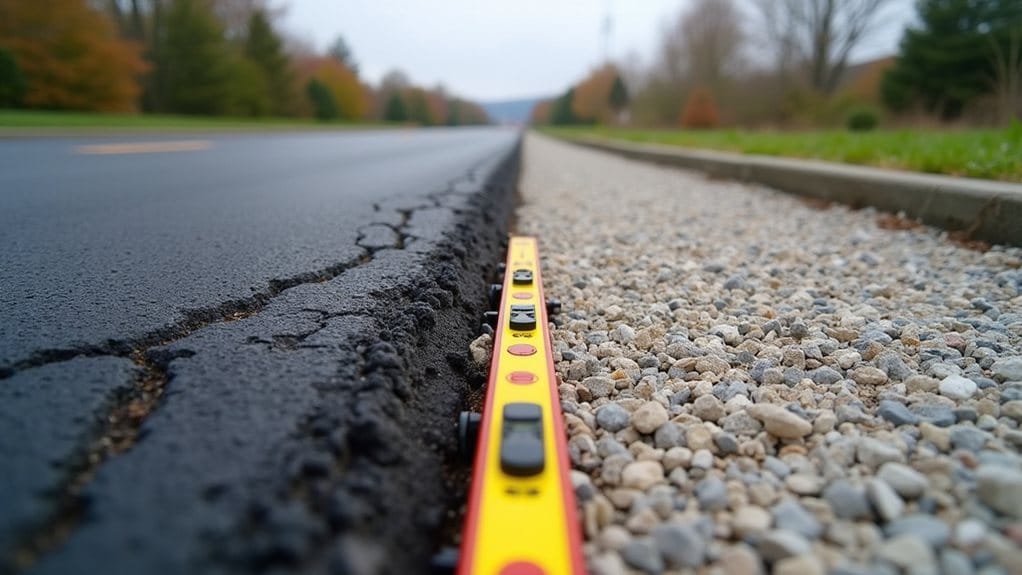
Request anti-stripping additives and lab mix design documentation. You’re investing smart! We also recommend confirming the contractor’s use of top-grade materials and regional experience for best results.
How Much Will This Cost, and What’s Included in Your Estimate?
Once you’ve locked in the right materials and methods for your Central PA property, it’s time to talk money.
Get a Detailed Breakout of Costs
Your contractor must provide a detailed estimate. It should separate labor from materials and equipment. Ask for the exact asphalt mix type and pavement thickness in inches. Request site preparation costs (grading, demolition, drainage). Include base repair or new base installation pricing.
Know What’s Included
Confirm the estimate covers tack coat, edge restraints, sealcoating, and line striping. Get costs for excluded items upfront.
Lock Down Payment Terms
Establish a clear payment schedule with deposit amount and progress payments. Verify if pricing is fixed or subject to material fluctuations.
Understand Warranty Coverage
Ask what materials and labor warranties cover and remedy timelines.
Get a fast, free quote today to help plan your budget with confidence and no obligation to proceed.
What’s Your Timeline, and How Do You Plan for Central PA’s Weather?
When does your contractor plan to start and finish?
Get a firm start and completion window targeting late spring through early fall. Central PA’s prime paving months offer consistent temperatures exceeding 50°F—essential for proper asphalt compaction.
Weather Contingency Matters
Ask about their weather contingency plan. They should specify:
- Minimum temperature thresholds (above 50°F)
- Dry-weather requirements (24–48 hours without rain)
Build in Real Buffer Days
Your contractor must add buffer days for spring/fall rain and sudden temperature drops. This protects your timeline from regional weather variability.
Protection During Problems
How will they protect and cure new pavement during unexpected cold snaps? Temporary coverings? Delayed rolling? Rescheduling?
Communication is Key
They should monitor forecasts and communicate schedule changes at least 24–48 hours ahead. This prevents surprises and keeps your project on track.
Nathan’s Paving has built a strong reputation over 10 years in the region, so ask about their experience and expertise when evaluating contractors.
What Warranty Covers This, and How Should I Maintain It?
Because a solid warranty protects your investment, you’ll want to dig deep into the details before signing.
Get the Specifics
- Written warranty coverage – Confirm it’s in your contract with exact duration (typically 1–5 years for workmanship, with standard manufacturer coverage for materials)
- Exclusions matter – Ask what voids coverage: poor drainage, freeze-thaw damage, heavy equipment, or maintenance neglect
- Claim process – Know who to contact, what documentation you’ll need, and response timeframes
Maintenance Keeps Coverage Active
You’re responsible for protecting that warranty! Follow sealcoating every 2–3 years.
Fill cracks promptly.
Respect cure and load restrictions during initial curing.
Regular professional maintenance can significantly reduce long-term repair costs, especially when performed by experienced local contractors who use high-grade materials.
Transfer and Documentation
Ask if your warranty transfers to new owners.
Request written maintenance recommendations and a schedule.
This keeps everything crystal clear and defensible later.
How’s Payment Structured, and What Happens if Something Goes Wrong?

Getting the money side right—before work starts—saves you massive headaches later.
Smart Payment Structure
Demand a written payment schedule in your contract. Here’s the breakdown:
- Deposit: 10–30% upfront
- Progress payments: Tied to milestones (site prep, base, paving)
- Final payment: Only after inspection and acceptance
- Retainage: Hold back 5–10% until punch-list items finish
Proof of Payment Matters
Always pay by check or credit card. Request receipts. Never hand over large cash payments.
When Problems Emerge
Your contract needs a dispute-resolution clause and change order procedures. Who pays for unexpected subsurface issues? Define it now.
Include warranty claims process and timelines. Protect yourself upfront—it’s worth it!
Nathan’s Paving & Seal Coating has over 10 years of experience handling contracts and warranties, so be sure to ask about their project-discovery and follow-up procedures.
Can I Review Your Contract Before Work Begins?
Your contract review protects your investment and clarifies expectations. Here’s what you need:
- Scope of Work Details – exact materials, quantities (like “2 inches of asphalt”), start and completion dates, and specific mix types
- Payment & Protection Terms – payment schedule with 10–20% final retention tied to satisfactory completion plus a clear change-order process for extras
- Critical Legal Safeguards – licensed contracting entity name, insurance and workers’ compensation proof with policy numbers, warranty terms (duration and coverage), acceptance criteria (compaction standards, drainage tolerances), and dispute resolution clause
Don’t skip this step. A solid contract prevents headaches and protects you financially. Ask questions about anything unclear. You’re the boss here!
Consider including a clause requiring the contractor to use top-grade materials and industry-standard equipment to ensure durable, weather-resistant results.
Frequently Asked Questions
What to Look for in a Paving Contractor?
You’ll want licensed, insured pros who own their equipment.
Check for 5+ years local experience and solid references.
Verify they use quality hot-mix asphalt with proper base preparation.
Grab a detailed written estimate covering materials, timelines, and warranty terms.
Ask about their crew—in-house teams mean better quality control.
Confirm site cleanup and communication style fit your needs.
Trust contractors who answer your questions clearly and confidently!
What Are Red Flags When Hiring a Contractor?
- Unlicensed operators—they’ll expose you to fines
- Vague estimates—you can’t track costs
- High deposits—demand payment upfront before work starts
- No references—they’ve got nothing to prove
- No insurance—you’re liable for injuries
- Pushy salespeople—door-to-door pressure means trouble ahead
- Poor communication—they won’t answer your questions
- No contract—nothing protects you legally
- Subcontracting mystery—unknown crews doing your work
- Unmarked equipment—unprofessional operations signal poor quality
Trust your gut. Walk away!
How Much Does It Cost to Pave a 2000 Sq Ft Driveway?
What drives your price up:
- Base preparation and grading requirements
- Drainage solutions and driveway slope work
- Material costs and sealcoating frequency
- Perimeter edging or curb modifications
- Permit fees and seasonal discounts
Pro tip: Get three detailed estimates!
What Should Be Considered Prior to Selecting a Contractor?
Must-Check Items:
- Site assessment and soil testing reveal hidden problems
- Drainage planning prevents future water damage
- Seasonal timing matters—fall/spring beats summer heat
- Material durability helps ensure longevity in PA’s freeze-thaw cycles
- Permit requirements vary by municipality
- Budget planning helps prevent surprises
- Landscape impact affects property appeal
- Access logistics determine equipment placement
- Warranty terms protect your investment long-term
Smart planning helps prevent unexpected costs!
Conclusion
You’re ready! Asking these nine questions separates the pros from the rest. Like choosing a captain for your ship, picking the right contractor steers your project toward success. You’ve got the roadmap now. Use it. Call those contractors today. Compare their answers side by side. Trust your gut. You’ll end up with quality paving that lasts years. Get started!