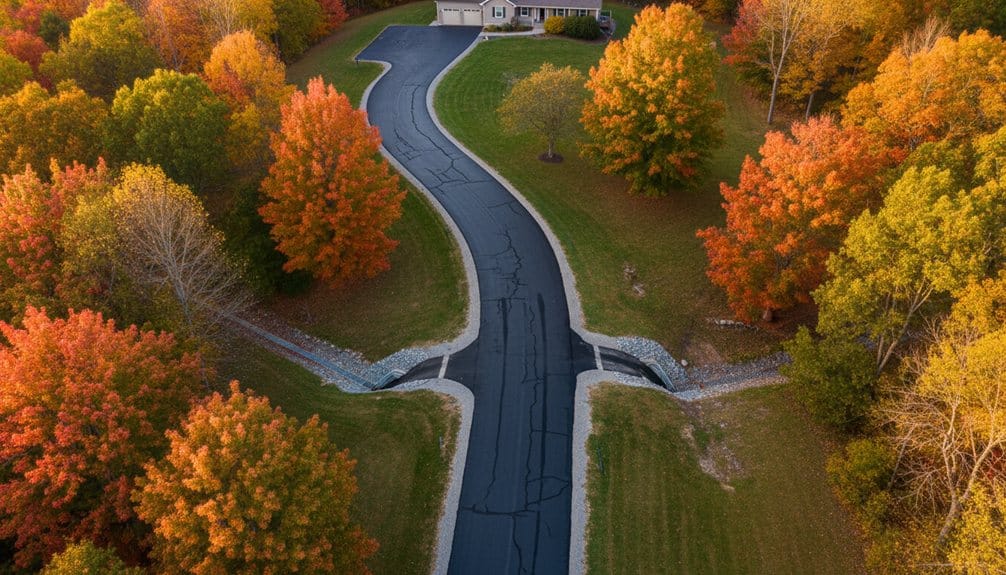
Pennsylvania’s brutal freeze-thaw cycles hit 25–35 times yearly, so you need a year-round game plan. Spring: inspect cracks ≥1/4″ immediately. Summer: sealcoat when temps hit 55–85°F. Fall: complete your 25-point inspection by mid-October, schedule repairs before the first freeze. Winter: handle emergencies fast and keep drainage clear. Sealcoat every 3–5 years. Skip this schedule? You’re looking at expensive base failures and potholes. Stick around to learn exactly when to tackle each task.
Key Takeaways
- Schedule crack sealing immediately for cracks ≥1/4″ to prevent freeze-thaw damage from Pennsylvania’s 25–35 annual cycles.
- Sealcoat every 3–5 years between early-mid summer (55–85°F) with two coats on high-traffic driveways for optimal protection.
- Perform 25-point inspections in early September–mid October and complete repairs ≥4 weeks before first freeze.
- Remove leaves and debris monthly and check drainage monthly to reduce repair needs by approximately 50%.
- Apply hot-mix asphalt for potholes when temperatures allow, then wait 30 days before sealcoating for durability.
Pennsylvania Asphalt: Why Winter Damage Happens (And How to Stop It)
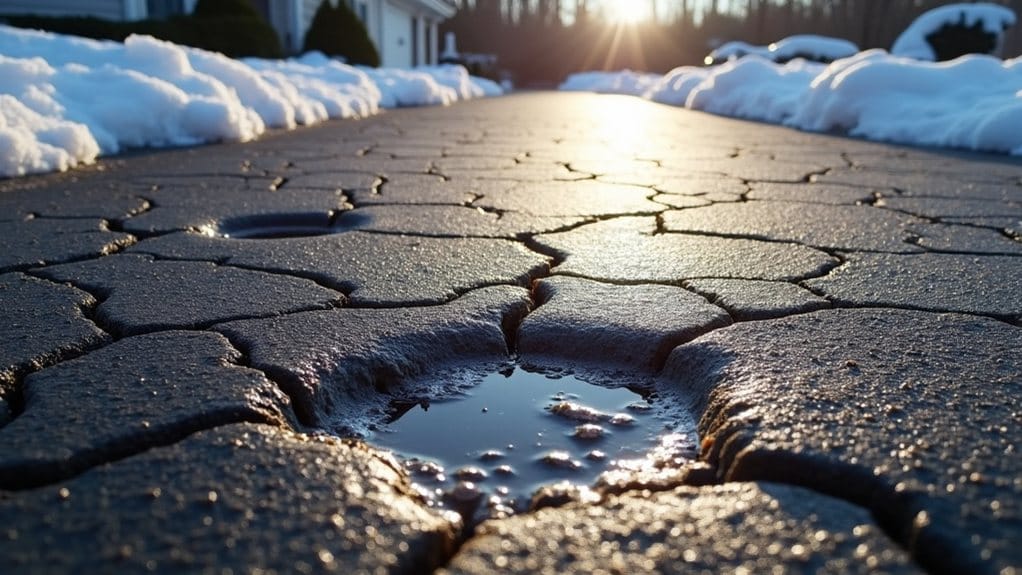
Prevention wins the game:
- Sealcoating every 3–5 years shields against moisture
- Proper drainage prevents pooling
- Use calcium chloride instead of rock salt
Stop winter before it starts. Call Nathan’s Paving today: (717) 648-5030.
Nathan’s Paving & Seal Coating brings over 10 years of experience to ensure durable results with top-grade materials and customer-focused service.
Your Maintenance Checklist: Monthly Tasks Year-Round
| Task | Frequency | Why It Matters |
|---|---|---|
| Leaf and debris removal | Monthly | Prevents water trapping and decay |
| Drainage checks | Monthly | Reduces repair needs by ~50% |
| Crack filling (≥1/4″) | Fall | Stops freeze-thaw damage before winter |
Clear your gutters and downspouts religiously. Runoff directed away from edges prevents undermining. Check for oil stains. Treat them with primer before sealcoating.
Winter thaw? Inspect immediately for pothole repairs. Cold patches hold temporarily. Spring arrives? Schedule crack filling and professional assessments. Alligator cracking means base failure. Act fast.
Nathan’s Paving offers free consultations to help determine the right maintenance plan for your pavement needs, backed by over 10 years of experience.
Spring: Schedule Inspections and Repair Winter Damage
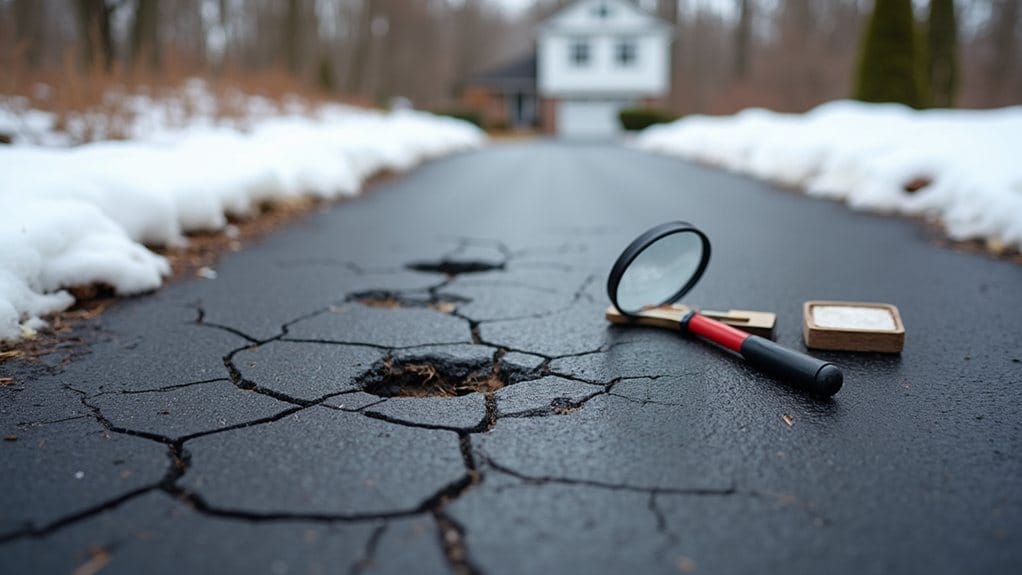
Your driveway needs immediate attention. Map and measure every crack. Flag anything ≥1/4” for urgent repair. Those hairline cracks? Monitor them closely.
Attack damage strategically:
- Fix potholes and base failures first
- Use hot-mix asphalt for permanent solutions
- Apply crack sealing with hot-pour rubberized sealant (350–400°F)
- Treat oil spots with primer
Prepare for sealcoating success:
- Clean surfaces thoroughly. Remove debris and buildup
- Check drainage to prevent standing water
- Schedule sealcoating when temps hit 55–85°F
- Keep vehicles off for 48–72 hours
Spring inspections prevent expensive summer problems. Don’t wait. Your asphalt’s fighting freeze-thaw damage right now. We recommend following a regular maintenance schedule to protect your investment and extend pavement longevity with routine sealcoating.
Summer: Seal Coat Your Asphalt Before UV Hits Hard
Don’t let summer sun wreck everything you fixed this spring. Your driveway’s worst enemy? UV rays and heat damage. That’s why seal coating matters big time.
Your seal coating game plan:
- Schedule between early and mid-summer when temps hit 55°F–85°F
- Complete ALL surface prep first. It’s 60–70% of the work
- Apply professional-grade asphalt emulsion with polymers for maximum protection
- Use two coats on high-traffic driveways for serious UV defense
- Keep vehicles off for 48–72 hours while it fully cures
Proper curing is non-negotiable. No rain within 24 hours. No shortcuts.
You’ll reseal every 3–5 years, but well-maintained driveways stretch that timeline. Nathan’s Paving handles everything professionally. Call (717) 648-5030 today for your summer seal coating. Nathan’s Paving is fully licensed and insured for pavement work across Central PA, providing reliable service to businesses and homeowners alike and emphasizing customer satisfaction.
Fall: Prepare Your Driveway for Winter’s Worst
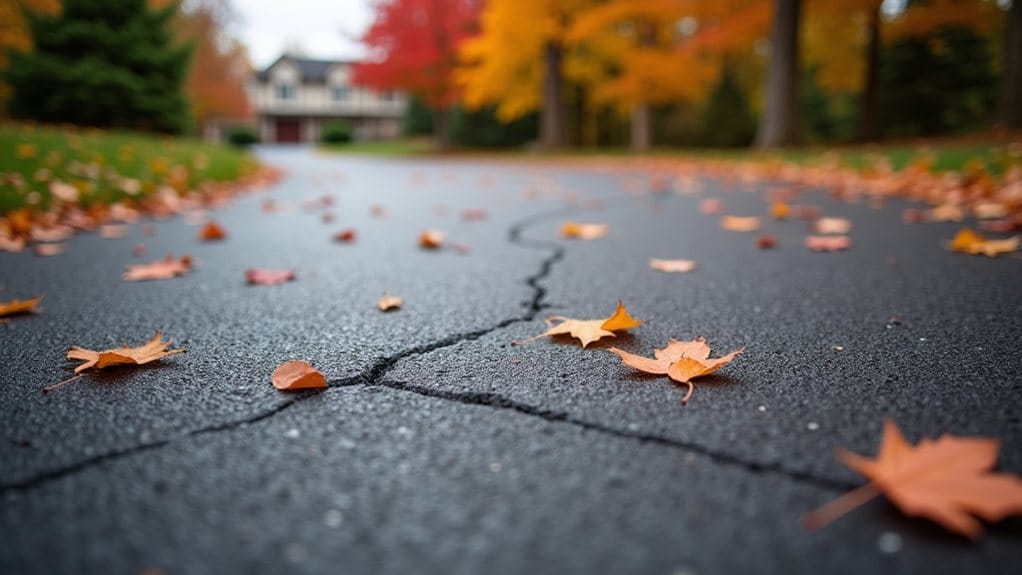
Complete a 25-point inspection between early September and mid-October. Map and measure all cracks. Especially those ≥1/4″ wide. Mark potholes for priority repairs at least 4 weeks before the first freeze.
Schedule Repairs Before Winter Hits:
Hot-mix pothole repairs require daytime temperatures above 50°F. Allow 30 days curing before any sealcoating application.
Don’t Forget Drainage:
Remove leaves and debris from gutters immediately. Standing water accelerates freeze-thaw damage dramatically. Properties with good drainage experience 50% fewer repairs.
Your Final Window:
Sealcoat mid-September through mid-October when no rain’s forecast. You’ve got this. Prepare now, enjoy winter later.
Our team provides professional, reliable service with expert repairs to ensure work is done correctly and on time.
Winter: Emergency Repairs and Snow Season Protection
Winter’s here, and your driveway’s about to face its toughest test. Freeze–thaw cycles hit Pennsylvania hard. Sometimes 25 to 35 times yearly. Water seeps into cracks, freezes, expands, and boom. You’ve got major damage.
Act fast on these critical tasks:
- Schedule crack sealing immediately for cracks ≥1/4 inch wide
- Apply cold-patch pothole repairs when temps drop below 45–50°F
- Use calcium chloride instead of rock salt (reduces deterioration ~40%)
- Mark pothole edges with reflective stakes for safety
- Clear drainage areas to prevent standing water buildup
Document everything. Snap photos of damage now. You’ll need them for spring permanent repairs and bundled pricing discounts before mid-December.
Nathan’s Paving offers emergency asphalt maintenance and professional crack sealing. Don’t wait. Winter’s harsh freeze–thaw cycles won’t. Nathan’s Paving & Seal Coating serves Central PA with experienced crews and top-grade materials across the region.
DIY vs. Professional: Know When to Call?
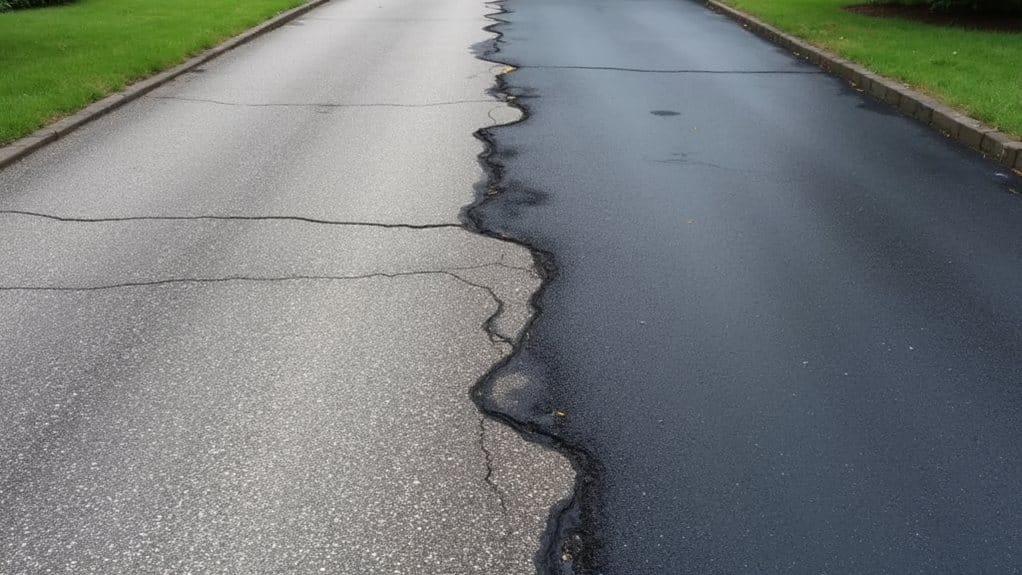
You’ll frequently face a choice. Handle driveway problems yourself or hire the pros.
Keep It Simple Yourself
Routine cleaning? Go for it. Remove leaves and debris. Photograph hairline asphalt cracks under 1/4 inch. Monitor them over time. Apply temporary cold-patch for emergency winter protection.
Call the Professionals
Cracks wider than 1/4 inch demand expertise. Hot-pour crack sealing requires 350–400°F equipment you don’t own. Professional crack repair prevents freeze-thaw damage and extends new asphalt longevity dramatically.
Alligator cracking? Potholes and soft spots? Drainage issues undermining your base? These need contractors immediately.
Schedule Smart
Sealcoating every 3–5 years protects your investment. Book fall scheduling between September and November. Ideally by mid-November. This timing prevents freeze damage and guarantees proper curing.
When in doubt, call Nathan’s Paving at (717) 648-5030. Free estimates. Professional service you can trust.
Nathan’s Paving serves Central PA with tailored maintenance packages and extensive experience to ensure quality results.
Frequently Asked Questions
What Maintenance Does an Asphalt Driveway Need?
You’ll want to seal cracks yearly before they spread.
Keep up with surface cleaning and oil removal to prevent stains.
Don’t skip drainage grading. It stops water damage.
Address loose gravel promptly.
Do edge trimming to look sharp.
Check temperature monitoring before sealcoating (55–85°F works best).
Plan winter prep in fall.
Finally, mark utility locations before digging.
Nathan’s handles it all professionally.
What Is the PA Code for Driveways?
You’ll need to check your municipal ordinances for:
- Driveway setbacks from property lines
- Maximum width (usually 20–24 feet)
- Curb alignment requirements
- Right-of-way restrictions
Most driveway work requires permits.
Contact your local planning office before starting. They’ll guide you on inspection procedures and zoning regulations specific to your area.
Need expert help? Nathan’s Paving handles permitting details seamlessly.
How Often Should Asphalt Be Serviced?
Annual inspections catch cracks before they worsen. Check for oil stains and edge cracking immediately. Schedule fall service (September–October) before freeze-thaw damage hits.
Asphalt curing takes 30 days minimum after repairs. Heavy traffic loads and temperature limits demand closer monitoring. Smart drainage planning prevents emergency fixes. Consider service contracts for consistent protection and peace of mind.
Is October Too Late to Seal a Driveway?
You’ll need:
- Daytime temps above 50°F consistently
- No rain for 24 hours before/after
- Low humidity (below 90%)
Here’s the catch: Late October gets risky. Cold sealing fails when temperatures drop below 45°F.
The sealant viscosity won’t spread properly. You’ll risk freeze damage and edge crumbling come winter.
Best move? Schedule by mid-October maximum. Early September through mid-October is your sweet spot for Pennsylvania driveway protection.
Conclusion
You’ve got this. Your Pennsylvania driveway’s future depends on you taking action today. Imagine driving up to a smooth, gleaming surface that’ll last years longer. That’s your reality when you stick to this maintenance schedule. Quarterly inspections catch problems early. Seal coating shields against brutal winters. You’re investing in curb appeal and your wallet’s health. Start now. Your driveway will thank you.