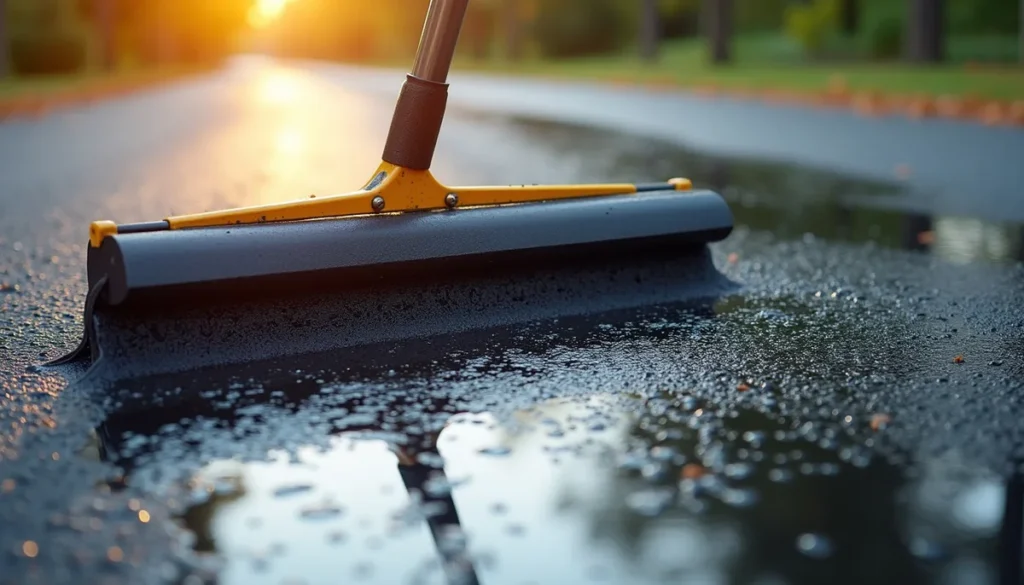
Sealcoating is the cheapest thing you can do to keep a driveway alive in Carlisle. It is also the thing people get wrong most often, usually by doing it at the wrong time.
Here is what actually matters.
What Sealcoating Does
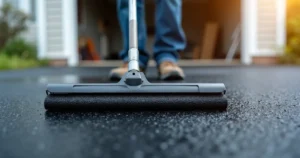
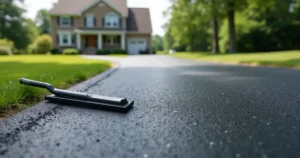
Sealcoat is a protective layer that goes over cured asphalt. It is not a repair. It does not fix cracks or fill potholes.
What it does is keep water and sun off the surface. In Cumberland County that is the whole game.
Water gets into tiny surface openings. It freezes, expands, and widens them. Then it thaws, more water gets in, and it freezes again. That is the freeze-thaw cycle, and Carlisle gets a lot of it. Road salt speeds up the damage on top of that.
Sun does the other half. Ultraviolet light dries out the binder that holds asphalt together. That is why old driveways turn gray and start to crumble at the edges.
Sealcoat blocks both.
Timing Is Not Flexible
This is the part most homeowners do not know. Sealcoat has strict temperature requirements, and ignoring them wastes the whole job.
The working rule is:
- Air temperature of at least 55°F and rising when it goes down
- Temperatures must not drop below 50°F for 48 hours after application
- 48 hours of dry, sunny weather after application
That last one matters more than people think. Rain inside that window can ruin a fresh coat.
The practical season in our area runs from roughly May through the third week of October. Most quality contractors stop taking sealcoating work once daytime highs sit below 55 or overnight lows start approaching 50.
Here is the trap. Central PA gets warm spells in November. A 62 degree afternoon feels like sealcoating weather. But if the overnight low drops into the 30s, curing stops. Any water still in the mix can freeze and damage the coat.
If someone offers to sealcoat your driveway in late November because it happens to be warm that day, say no.
When Can You Seal a Brand New Driveway?
Not right away. New asphalt has to cure and release its oils first.
Advice ranges from about 90 days to a full year depending on the mix and the weather that season. Sealing too early traps oils and moisture inside the pavement, which makes it softer, not stronger.
Ask whoever paved it for a target date.
How to Prep Before the Crew Arrives
Good prep is most of the result. A sealcoat only bonds to a clean, dry, sound surface.
Cracks get filled first. Sealcoat is not a crack filler. If you have cracks wider than a pencil, those need asphalt repair in Carlisle before any sealer goes down. Sealing over an open crack just hides it for a season.
Oil stains need treating. Sealer will not stick to oil. Spots need to be cleaned or primed.
The surface has to be swept clean. Dirt, sand, and loose stone all block adhesion.
Grass and weeds at the edges get cut back. Anything growing through the asphalt has roots underneath it.
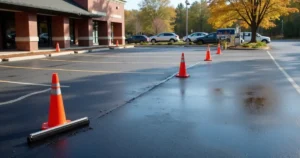
Move your vehicles. Plan on parking elsewhere for a day or two.
A crew that shows up and starts spraying without prepping is giving you a coat that will peel.
How Often Should You Reseal?
More often than most people do, and less often than some contractors push.
There is no single correct number, because it depends on your traffic, your drainage, your sun exposure, and how the last coat was applied. What you watch for instead are the signs:
- The black has faded to gray
- The surface feels rough or dry, like coarse sandpaper
- Small hairline cracks are appearing
- Water sits in spots instead of running off
When you see those, it is time. Sealing on a rhythm is far cheaper than resurfacing on an emergency.
What Affects the Price
Square footage. The main driver.
Prep work needed. Crack filling, oil spot treatment, and heavy cleaning all add labor.
Number of coats. Two coats cost more than one and last longer.
Access and edges. Lots of trimming, tight corners, and hand work around obstacles slow the job.
Condition. A neglected driveway needs more prep than one that has been maintained.
One thing worth knowing: sealcoating is a job where neighbors can save money together. One of our customers organized 15 homes in her neighborhood for a single run. The crew prepped each driveway, taped and sprayed the garages, and worked through them in one visit. Group jobs are usually easier to price well.
Frequently Asked Questions
What temperature does it need to be to sealcoat? At least 55°F and rising during application, and it should not drop below 50°F for 48 hours afterward. You also want 48 hours of dry weather.
How late in the year can you sealcoat in Carlisle? Realistically through about the third week of October. Warm days after that are risky because overnight lows stop the curing process.
Will sealcoating fix my cracks? No. Sealcoat is a protective coating, not a repair. Cracks get filled first, then sealed over.
How long before I can drive on it? Usually a day or two, but ask your contractor. Full curing takes longer than the surface looks like it needs.
Does sealcoating make a driveway last longer? Keeping water and sun off asphalt is the main thing that slows deterioration in this climate. Regular sealing plus good drainage is the most effective upkeep combination we see.
More Carlisle Paving Guides
Get a Free Sealcoating Estimate in Carlisle
Nathan’s Paving & Seal Coating has worked in Central PA for over 20 years. We handle asphalt sealcoating in Carlisle and every other kind of paving work in Carlisle, PA.
We hold a 4.8 star rating across 55 Google reviews. Estimates are free and we offer senior citizen discounts.
Call (717) 648-5030 or email nathanpaving@gmail.com. If your driveway needs crack work before sealing, we will tell you that instead of coating over the problem.
Want the whole picture in one place? Read our complete guide to driveway sealcoating in Central PA.