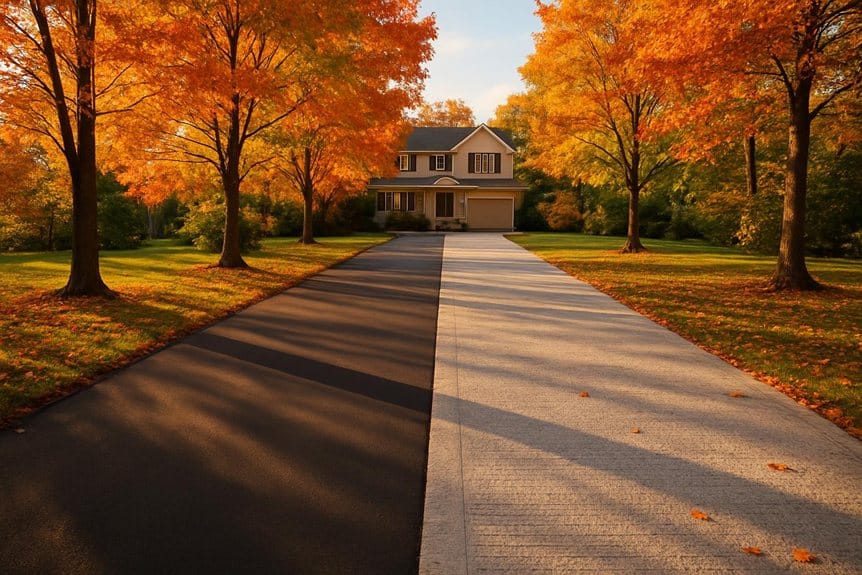
Both materials can be a good fit in Pennsylvania, and your choice depends on budget, timeline, and maintenance commitment. Asphalt typically costs $3 to $5 per square foot and flexes through freeze-thaw cycles. Concrete typically costs $6 to $10 per square foot and can last longer with proper care. Road salt, cold weather, and repeated freeze-thaw cycles can punish a poorly installed driveway. Keep reading. Everything you need to make the right call is straight ahead.
Key Takeaways
- Concrete often costs roughly double asphalt upfront, but can have a longer service life, which may make long-term costs comparable.
- Pennsylvania’s freeze-thaw cycles tend to favor asphalt, which flexes with temperature changes rather than cracking like rigid concrete.
- De-icing salts can damage concrete surfaces through scaling, so control joints, sealing, and alternative ice-melt products are worth considering.
- Concrete is often perceived as a quality, long-lasting finish by homebuyers, while asphalt is often seen as the budget-friendly option.
- Both materials benefit from proper base preparation, drainage, and regular maintenance to hold up to Pennsylvania’s winter conditions.
How Freeze-Thaw Cycles and Road Salt Damage Pennsylvania Driveways
Because Pennsylvania winters can be tough, your driveway takes a beating every season.
Here’s what’s happening beneath your feet.
- Water sneaks into tiny cracks
- It freezes and expands
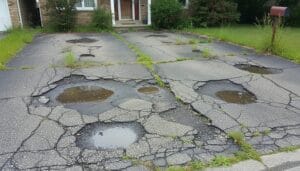
- Repeated freeze-thaw cycles can damage pavement from within
- Potholes can form
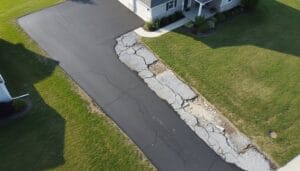
Concrete can suffer. Without proper control joints, thermal movement can cause cracking. De-icing salts can accelerate concrete scaling, that surface flaking you may have seen.
Asphalt flexibility gives it an edge. It tends to bend instead of breaking.
But here is the catch. Poor base and drainage can still lead to potholes underneath.
Your defense plan:
- Invest in solid base and drainage
- Consider sealcoating every 3 to 5 years
- Skip harsh salts when possible
Nathan’s Paving serves Central Pennsylvania with quality sealcoating and paving work on every driveway.
Asphalt vs Concrete: Upfront Installation Costs in Pennsylvania
Now that you know how Pennsylvania winters can affect pavement, let’s talk money.
Asphalt driveway cost: $3 to $5 per square foot
Concrete driveway installation: $6 to $10 per square foot
For a 600 sq ft driveway:
- Asphalt: $1,800 to $3,000
- Concrete: $3,600 to $6,000
That is a sizable difference.
Concrete often costs roughly double asphalt upfront. If lower upfront installation cost is your priority, asphalt is typically the more affordable choice.
But there is more to consider. Maintenance costs matter long-term.
Over 20 years in Pennsylvania, those costs can converge. Asphalt typically needs regular sealing. Concrete may need crack repairs.
Bottom line: Your budget today shapes your total ownership cost tomorrow. Choose carefully.
Nathan’s Paving is a local, fully licensed and insured company offering sealcoating and other services in Carlisle, PA.
How Asphalt and Concrete Handle Pennsylvania Freeze-Thaw Cycles
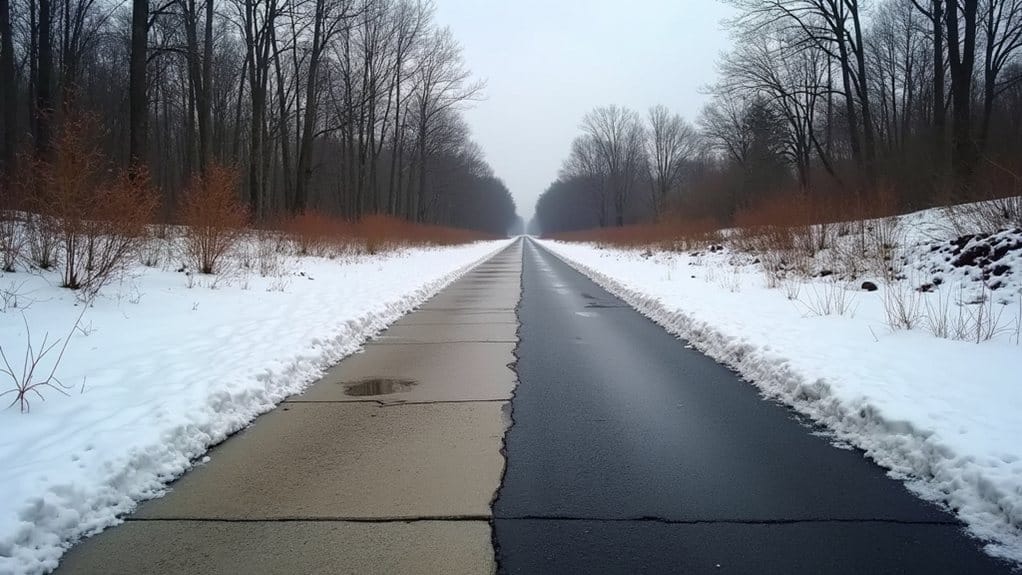
When temperatures drop below freezing, your driveway faces a real challenge.
Asphalt tends to hold up well.
Its flexibility can absorb freeze-thaw cycles naturally. It tends to bend slightly instead of cracking, which can be an advantage in Central Pennsylvania winters.
Concrete can struggle more here.
- Rigid slabs expand and contract with temperature swings
- Freeze-thaw cracking can be a risk without proper installation
- Deicing salts can accelerate surface scaling and flaking
Here is the reality. Both materials typically need resealing every few years to stay strong.
Asphalt typically needs resealing to help prevent oxidation. Concrete typically needs sealing to help block salt damage.
Skip maintenance and you may pay later.
Respect winter. Protect your investment. Your driveway depends on it.
Our local team offers free quotes and uses advanced paving techniques to support durable, weather-resistant repairs and installations.
Asphalt vs Concrete Lifespan in Pennsylvania
How long your driveway lasts matters just as much as how it handles winter.
Here’s the general breakdown:
Concrete driveways can last a long time with proper care.
Asphalt typically lasts a shorter range than concrete.
But here’s the catch. Asphalt requires less upfront investment. However, it typically needs sealcoating every 3 to 5 years to reach the upper end of its range.
Skip maintenance and you may shorten that lifespan.
Concrete generally demands less frequent attention but benefits from proper sealing against Pennsylvania’s freeze-thaw cycles and deicing salts.
The real question: Can you commit to resealing every few years?
If yes, asphalt can be a great fit. Want a longer hands-off run? Concrete may be the better match.
Regular maintenance, including sealcoating and crack filling, can help prevent costly repairs and prolong lifespan.
Maintaining a Concrete Driveway in Pennsylvania
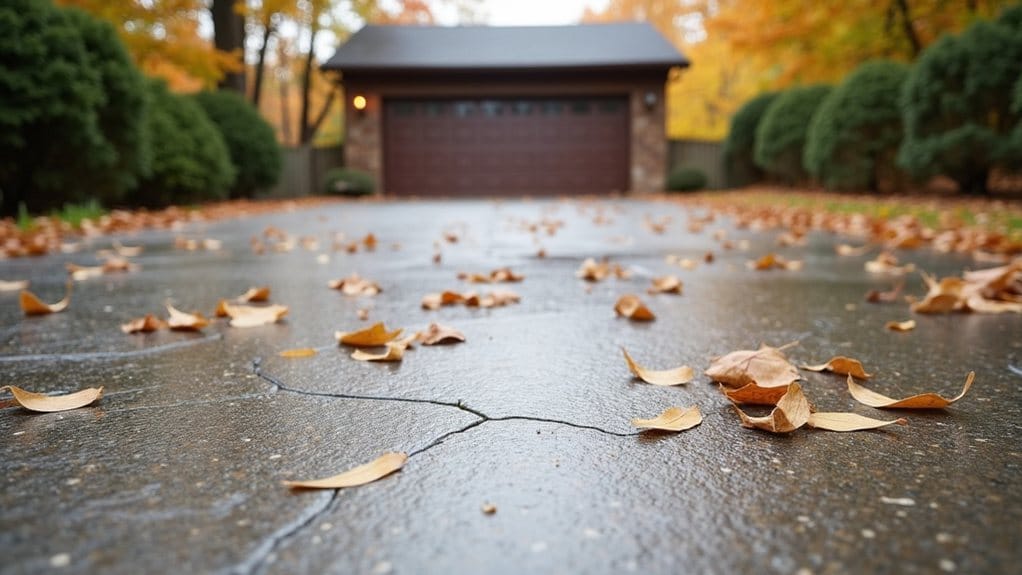
Pennsylvania’s freeze-thaw cycles can be tough. They can damage a neglected concrete driveway quickly.
Here’s a maintenance game plan:
- Seal concrete driveways every 3 to 5 years
- Fill cracks promptly before freeze-thaw cycles expand them
- Maintain control joints to manage natural slab movement
- Pressure wash annually to remove grime and salt buildup
- Avoid harsh deicing salts. Consider sand or calcium magnesium acetate instead
- Rinse salt residue each spring
Start with proper installation. Correct base compaction and drainage matter.
Done well, concrete can offer a long service life.
Skip maintenance and you may be replacing your driveway sooner than expected. That is an expensive lesson nobody wants to learn.
We installed a new driveway for the Fuller household after full removal of the old one to support a strong foundation for long-term performance.
Maintaining an Asphalt Driveway in Pennsylvania
Asphalt benefits from consistent attention, and the payoff can be worth it.
Start smart:
- Sealcoat several months after installation as recommended
- Reseal every 3 to 5 years afterward
- Help prevent oxidation before it spreads
Pennsylvania’s freeze-thaw cycles can crack asphalt.
Fill cracks promptly.
Small repairs typically cost less.
Ignored cracks can become expensive.
Protect your investment:
- Avoid heavy trucks parking in summer heat
- Clean oil spills with mild detergent quickly
- Raise snowplow blades in winter
Routine upkeep helps keep your asphalt driveway performing well.
With consistent care, asphalt can offer a solid run.
Watch for these warning signs:
- Widespread fading
- Drainage pooling
- Large cracking patterns
See those?
Call a professional soon.
Don’t wait.
Your driveway’s future depends on acting now.
Nathan’s Paving has over 20 years of experience handling residential and commercial paving projects in the area.
Comparing Repair Costs: Asphalt vs Concrete in Pennsylvania
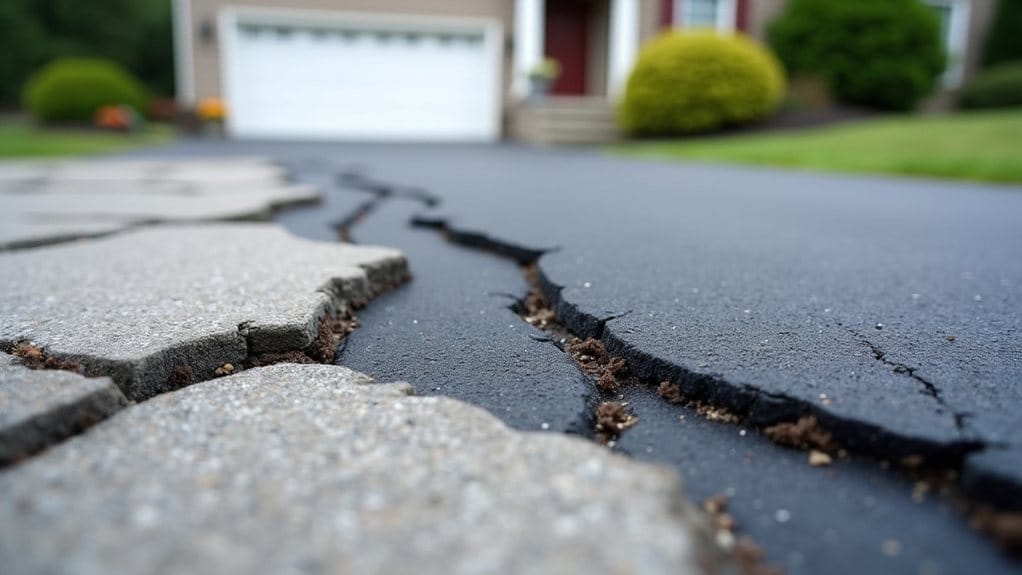
Repair costs can differ between the two materials.
- Asphalt repairs, such as crack filling and patching, can often be handled with straightforward techniques
- Concrete repairs, such as slab replacement or resurfacing, can involve more specialized work
- Routine sealcoating can help reduce the need for larger repairs over time
Nathan’s Paving offers sealcoating that can help extend pavement life and support long-term value.
Which Costs More Over Time: Asphalt or Concrete in Pennsylvania?
Crunching the numbers over 20 to 30 years can change the picture. That cheaper asphalt upfront cost can grow with time.
Here’s the general picture:
- Asphalt resealing: every 3 to 5 years (recommended)
- Concrete maintenance: every 3 to 5 years (recommended)
- Asphalt may need replacement sooner than concrete
- Concrete tends to have a longer service life with proper care
Over time, you may be reinvesting in asphalt while concrete keeps performing.
The math:
A 600 sq ft asphalt driveway typically costs less initially but tends to need more ongoing maintenance over its life.
Concrete’s higher upfront cost can spread across many years of reliable service.
In Pennsylvania’s freeze-thaw climate, the cost over time can favor concrete when paired with quality installation.
Bottom line: Cheaper now can mean more expensive later.
Nathan’s Paving serves Central Pennsylvania with local expertise to help you choose the right option.
Curb Appeal and Resale Value: Asphalt vs Concrete in Pennsylvania
Here’s how each option tends to stack up:
Concrete Driveways and Perceived Value
- Decorative concrete options (stamped, colored) can signal high-end finishes
- Buyers often associate concrete with quality and longevity
- A long service life can strengthen your resale value story
Asphalt Driveways Look Clean and Classic
- Classic blacktop tends to look sharp initially
- Buyers often perceive asphalt as the budget choice
- Typically requires regular resealing to stay presentable
The Bottom Line for Pennsylvania Homeowners:
Want strong curb appeal with a long service life? Concrete is often the pick.
Need quick installation on a budget? Asphalt can be a great fit.
Your driveway is your first impression. Make it count.
Asphalt can also offer cost-effective longevity when maintained with regular sealcoating to support its lifespan.
Choosing the Right Contractor for Your Pennsylvania Driveway
A bad hire can mean cracked slabs, poor drainage, and wasted money.
Protect yourself with these must-haves:
- Ask for their PA home improvement contractor registration number
- Request proof of insurance (liability + worker’s comp)
- Compare per-square-foot costs. Concrete vs asphalt pricing varies
- Confirm proper base preparation and compaction techniques
- Verify sealcoating schedules for your material choice
Pennsylvania’s freeze-thaw cycles can damage poorly installed driveways quickly.
Get everything in writing:
Itemized estimate
Warranty details
Payment schedule (no huge upfront sums)
Maintenance plan
Check local references. Review recent driveway photos from Central Pennsylvania jobs.
The right contractor helps protect your investment for years to come.
Also, request a fast, free quote to compare options and timelines with confidence, and ask specifically about their sealcoating schedule.
Frequently Asked Questions
How Much Would a 20×20 Asphalt Driveway Cost?
Here’s a general breakdown:
- Asphalt installation + labor rates: $3 to $5 per sq ft
- Base preparation may add costs
- Sealcoating frequency: every 3 to 5 years (approximately $60 to $120)
Don’t forget drainage planning and edge reinforcement. They help protect your investment.
Check permit requirements locally first.
Get multiple quotes and lock in a written estimate.
Does an Asphalt Driveway Increase Property Taxes?
Watch these factors:
- Local ordinances and improvement classification matter
- Neighborhood comps can influence reassessment
- Surface longevity and maintenance records can shift appraisal value
Contact your county assessor before installing.
What Type of Driveway Adds the Most Value?
Here’s why concrete is often a strong pick:
- Curb appeal can be stronger with decorative finishes
- Material lifespan tends to be longer than asphalt
- Lower ongoing maintenance over time can support homeowner ROI
- Climate durability matters, and concrete’s clean look can appeal to buyers
Match your regional preferences and neighborhood norms. Your investment can pay off over time.
How Much Does a 30×40 Concrete Driveway Cost?
Think of it like building a foundation for your home’s first impression.
A typical baseline: $7,200 to $12,000 ($6 to $10 per sq ft)
Want upgrades? Consider these:
- Decorative stamping can move costs to $12,000 to $18,000
- Driveway reinforcement + expansion joints can add longevity
- Subgrade preparation + drainage planning can add $500 to $2,000
- Sealed edges + curb transitions add minimal cost for added protection
- Lighted borders are a premium upgrade
Budget smart. Build once.
Conclusion
You have the facts. Now act on them.
Asphalt tends to be more affordable upfront and flexes with cold-weather swings. Concrete tends to offer longer service life and strong curb appeal.
Here is the reality. Many Pennsylvania homeowners choose asphalt because freeze-thaw cycles can be tough here. Asphalt flexes. Concrete can crack without proper installation.
Pick the material that matches your budget, your timeline, and your climate reality.
Pennsylvania winters don’t negotiate. Neither should you.