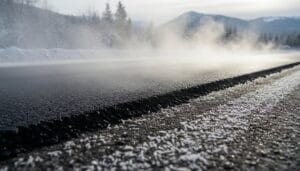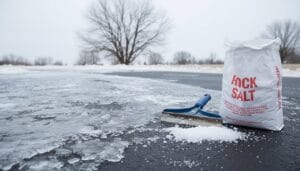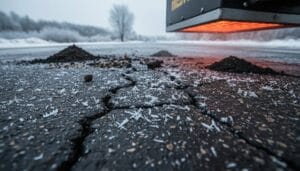

Winter Cracks Your Asphalt Fast. Your pavement faces a perfect storm: freeze-thaw cycles expand trapped water roughly 9%, brittle binder loses flexibility in cold, and thermal contraction creates internal pulling forces. Meltwater seeps into hairline cracks, weakens your sub-base, and strips away fine particles. Poor drainage makes it worse—standing water pressurizes and accelerates damage. The result? Heaving, potholes, and alligator patterns. You’ve got preventative moves like seal coating and crack repairs that work—but there’s much more strategy to protect your investment.
Key Takeaways
- Freeze–thaw cycles cause asphalt to repeatedly expand and contract, gradually damaging the pavement structure.
- Winter cold makes asphalt binder brittle and weak, reducing its ability to handle internal stress.
- Meltwater seeps into cracks and refreezes, creating expansion pressure that forces cracks wider and deeper.
- Thermal contraction in winter induces tensile strain, causing shrinkage and initiating new microcracks in the surface.
- Aged asphalt binder loses flexibility over time, becoming more prone to cracking during cold temperature swings.
Freeze-Thaw Cycles and Expansion Pressure
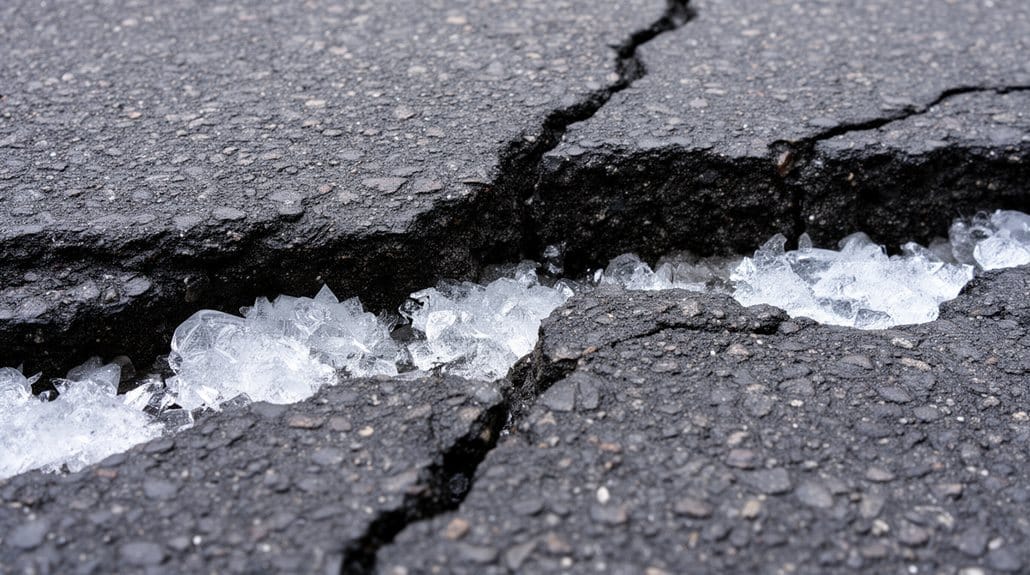
Freeze-Thaw Cycles and Expansion Pressure
Repeated freeze-thaw cycles are brutal. Your asphalt expands and contracts constantly. Each cycle damages the pavement structure a little more. Cold temperatures make the asphalt binder brittle and weak. It can’t handle the internal stress anymore.
Water Infiltration Problems
Water infiltration weakens everything underneath the surface. Meltwater penetrates deep into the sub-base. When it refreezes, expansion creates massive structural damage. Your drainage matters enormously here. Poor drainage traps moisture longer. That means faster crack propagation and deterioration. You’re fundamentally building cracks systematically through winter! Additionally, regular maintenance such as asphalt patching can prevent further damage and extend the life of your pavement.
Water Penetration and Sub-Base Damage
When meltwater seeps into those tiny cracks you’ve got, you’re inviting serious trouble below the surface. That water travels deeper with each freeze–thaw cycle, reaching your sub-base layer where real damage happens.
Here’s what occurs:
Once water saturates your sub-base, it weakens the foundation underneath everything. Fine particles wash away. Compaction decreases. Load-bearing capacity drops markedly.
Traffic then accelerates the destruction. Your pavement heaves and cracks. Potholes and alligator patterns emerge rapidly.
The drainage problem compounds everything. Standing water creates MORE freeze–thaw cycles in your pavement structure. This dramatically increases sub-base saturation risk.
Your solution? Preventative maintenance saves thousands! Timely crack sealing and seal coating block water penetration completely. Comprehensive pothole repair services act now before asphalt cracks progress to catastrophic sub-base damage.
Thermal Contraction and Tensile Strain
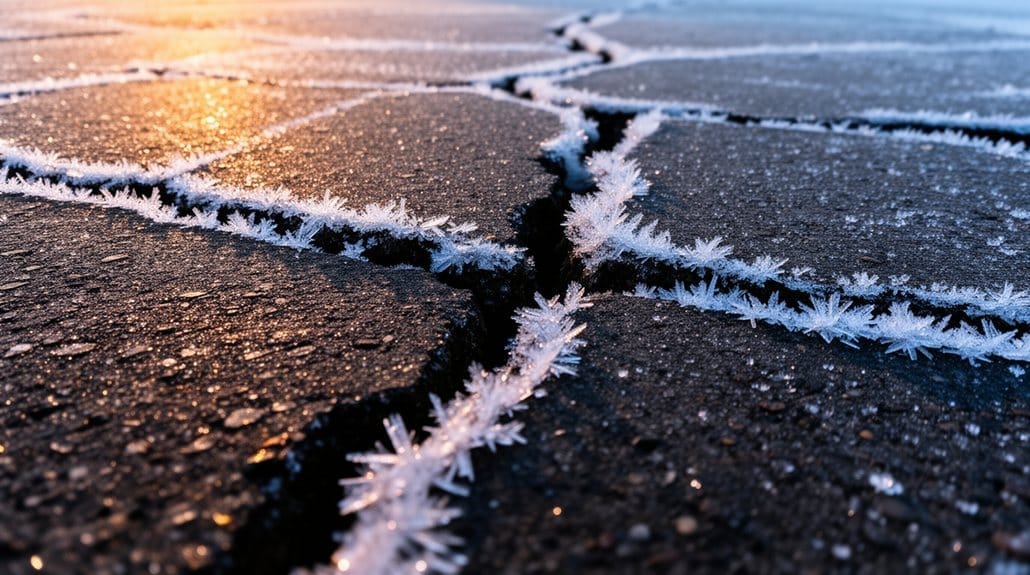
While water damage attacks from below, temperature swings attack from within.
When winter arrives, your asphalt shrinks. This thermal contraction creates tensile strain—internal pulling forces that stress the binder.
Here’s the problem: repeated freeze–thaw cycles make your binder brittle and weak. Cracks form easier. Smaller temperature drops cause bigger damage.
Why you should care:
Thin pavements suffer most. Aged binders? Even worse. Poor compaction means less flexibility to handle stress.
The real threat:
Differential cooling between surface and subsurface creates concentrated tension at weak spots and joints. That’s where cracks start.
Then daily temperature swings cause cyclic loading. Existing microcracks widen. Each freeze–thaw event pushes them further.
Your takeaway: Winter thermal contraction isn’t gentle. Without proper asphalt maintenance, your pavement becomes seriously vulnerable. Address brittleness now before winter intensifies damage. Regular driveway maintenance can extend the lifespan of your asphalt and prevent costly repairs.
Aging Binder and Material Brittleness
Your aging binder loses its tensile strain capacity. When thermal contraction happens during cold snaps, the brittle material can’t flex anymore. It just cracks.
The Brittleness Problem
Freeze–thaw cycles make everything worse. Microcracks expand repeatedly until they become visible fractures across your pavement. Your asphalt’s low-temperature cracking risk skyrockets.
Real Consequences
Laboratory tests prove older asphalt cracks at higher temperatures than fresh mixes. Your cracking propagation accelerates too. Edge cracking and block patterns emerge after multiple winter months.
Bottom Line
Aged binder = zero flexibility. Winter contraction = inevitable failure. Additionally, regular seal coating driveways can help prevent such deterioration and extend the lifespan of your asphalt surfaces.
Poor Drainage and Moisture Accumulation
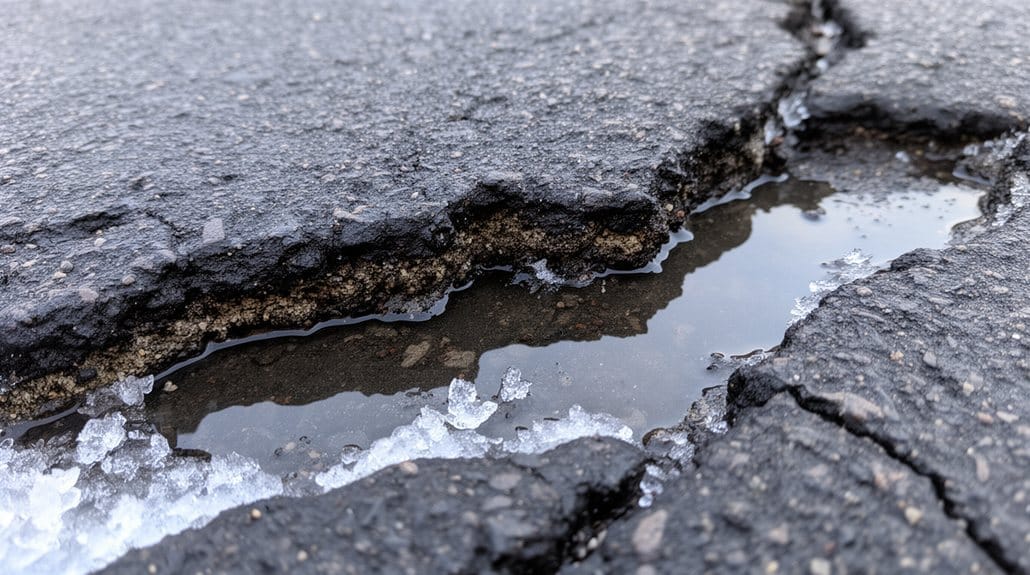
Water’s your asphalt’s worst enemy in winter. Standing water pools on poorly sloped pavement and seeps into hairline cracks. When temperatures drop, that trapped water freezes and expands roughly 9%. This expansion forces cracks wider and deeper into your asphalt surfaces.
Three critical damage pathways:
- Freeze–thaw cycles repeatedly pressurize trapped water, accelerating crack growth and edge deterioration
- Standing water strips away fine aggregate and binder, weakening surface integrity
- Infiltration softens the sub-base, creating tensile stress that produces alligator cracks
Your maintenance solution: Install proper drainage immediately. Positive slope, catch basins, and sealed joints prevent water penetration. Timely asphalt repairs to cracks protect your investment. Smart drainage delays progression and shields the sub-base from freeze–thaw damage. Additionally, commercial parking lot sealing helps protect the surface from weathering and UV damage. Don’t ignore weather—it’ll destroy your pavement fast!
Conclusion
You’re watching your pavement convert into a battleground! Winter’s freeze-thaw cycle acts like an invisible enemy—pushing, pulling, cracking. Water seeps in like an invader. Your binder grows brittle like old glass. Poor drainage becomes a trap. Each factor’s a crack waiting to happen. You’ve got the knowledge now. Protect your asphalt today. Tomorrow’s repair bill depends on it!